
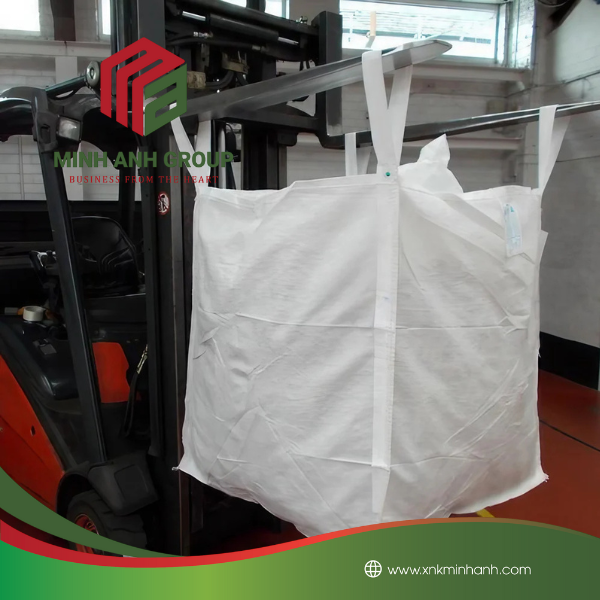
Emotion-Sensing FIBC Liners: Stress Monitoring for Perishable Goods

And let’s not stop at produce! Why not expand this technology to other perishable goods? Dairy products could get their own version of emotional support liners. “Milk feeling insecure about expiration date—please consume ASAP.” Or how about meat packages that can sense when they’re being ignored in the fridge? “Hey! Chicken here. Remember me? Taco Tuesday is just around the corner!”
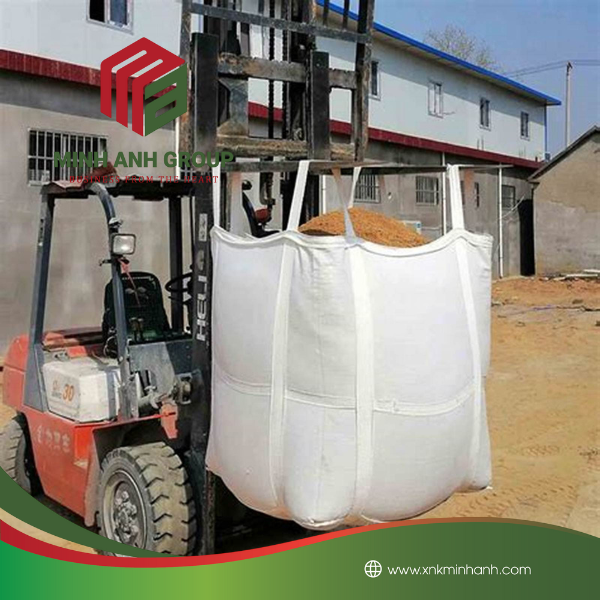
Imagine this: you’re a juicy peach, minding your own business, hanging out in a Flexible Intermediate Bulk Container (FIBC) liner, and suddenly, you feel stressed. Maybe it’s the long journey to the supermarket, or perhaps the bananas next door won’t stop bragging about their potassium levels. Either way, you’re feeling the pressure. But fear not, dear peach! The future is here, and it’s brought emotion-sensing FIBC liners to save the day. Yes, you heard that right—technology has officially crossed into the realm of fruit therapy.
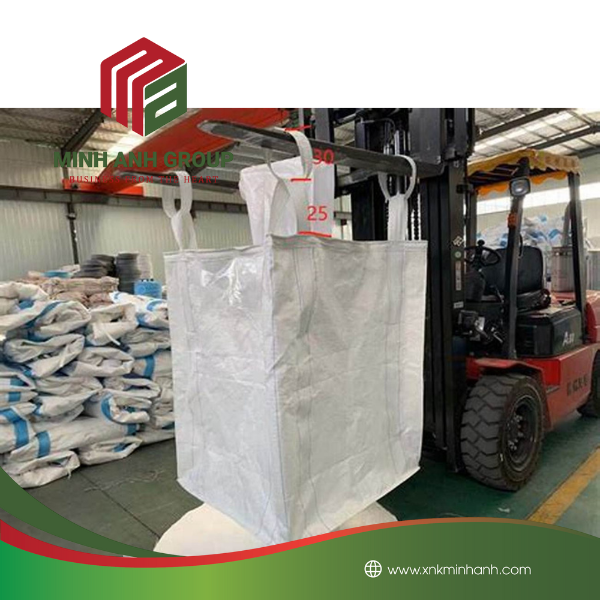
Let’s break it down. These high-tech liners are designed to monitor the “emotional well-being” of perishable goods. Now, before you roll your eyes and wonder if we’ve all lost our minds (we might have), think about it: stress in fruits and vegetables is a real thing. When produce gets too hot, too cold, or too squished, it can trigger a cascade of chemical reactions that lead to spoilage. And nobody likes a sad, mushy peach. Enter emotion-sensing liners—because apparently, even your groceries deserve a little TLC.
How Do They Work?
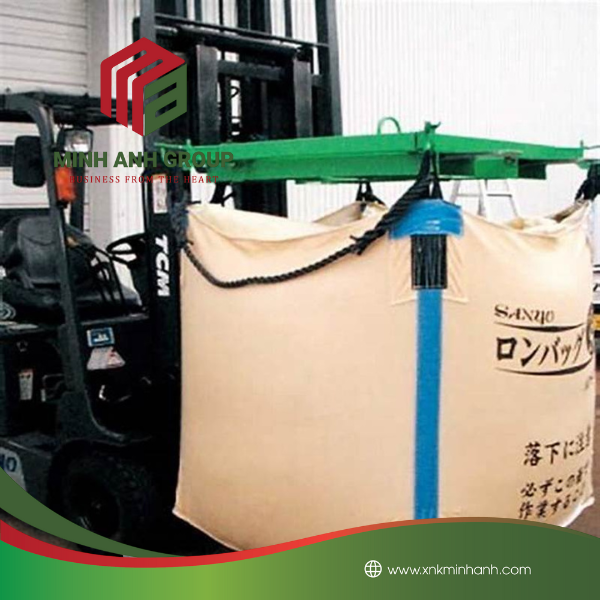
These liners are equipped with sensors that can detect changes in temperature, humidity, and even the gases emitted by stressed-out produce. Yes, fruits and veggies have their own version of a stress cry—it’s called ethylene gas. When produce gets anxious (or, you know, overripe), it releases ethylene faster than a teenager spills secrets at a sleepover. The liners pick up on these signals and send alerts to handlers, saying something like, “Hey! Your apples are having an existential crisis. Do something!”
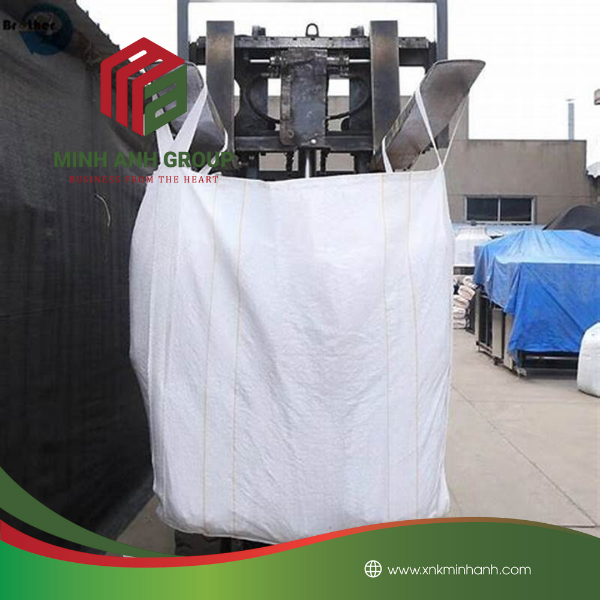
But wait, there’s more! Some advanced versions of these liners can even adjust conditions inside the container to calm down the produce. Too hot? The liner cools things down. Too humid? It absorbs excess moisture. It’s basically a spa day for your tomatoes.
Why Does This Matter?
Aside from the obvious hilarity of imagining stressed-out cucumbers venting their frustrations to a high-tech liner, there’s actually a serious reason behind this innovation: food waste. According to some very smart people with clipboards and spreadsheets, nearly one-third of all food produced globally goes to waste. That’s a lot of sad salads and abandoned avocados. By monitoring the condition of perishable goods during transport and storage, emotion-sensing liners can help reduce spoilage and ensure that more food makes it to your plate instead of the landfill.
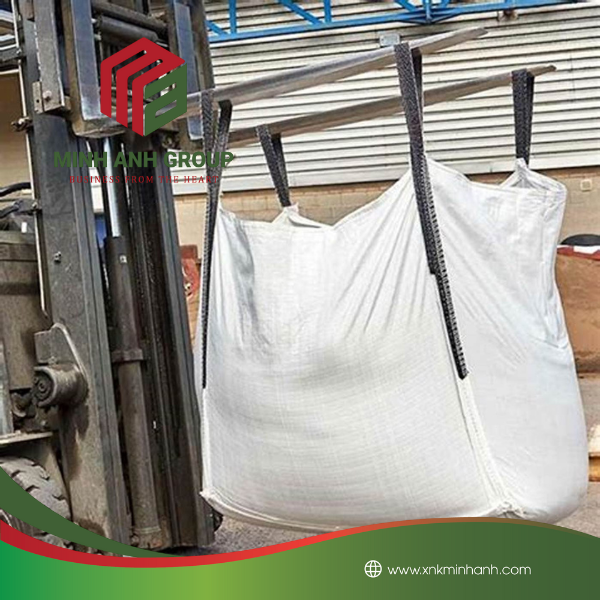
Plus, let’s be honest—this technology makes for some fantastic mental images. Picture a truck full of oranges being transported across the country. Suddenly, an alert pops up on the driver’s phone: “Oranges feeling overwhelmed. Recommend pulling over for a quick pep talk.” You’d laugh, but you’d also pull over because nobody wants a citrus breakdown on their watch.
The Future of Produce Therapy
The possibilities for these liners are endless. Today, they’re focused on monitoring stress levels in fruits and veggies. Tomorrow? Who knows! Maybe they’ll start offering motivational speeches or playing soothing music to keep produce calm during transit. Imagine opening a container of lettuce only to hear soft jazz playing in the background. “Don’t worry,” the lettuce whispers. “We’re crisp and ready for your salad dreams.”
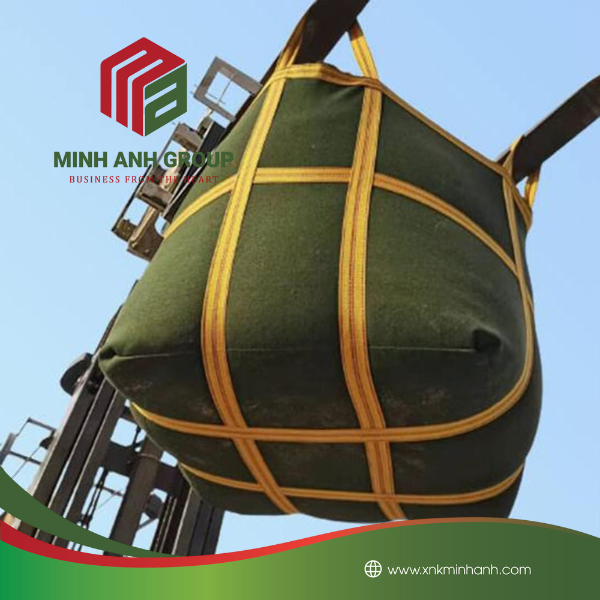
And let’s not stop at produce! Why not expand this technology to other perishable goods? Dairy products could get their own version of emotional support liners. “Milk feeling insecure about expiration date—please consume ASAP.” Or how about meat packages that can sense when they’re being ignored in the fridge? “Hey! Chicken here. Remember me? Taco Tuesday is just around the corner!”
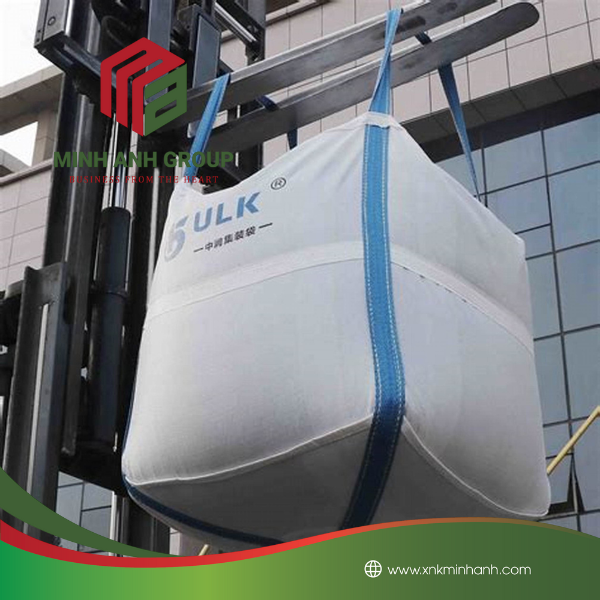
A World Where Everyone Wins—Even Bananas
While this all sounds like something out of a sci-fi comedy, emotion-sensing FIBC liners are no joke when it comes to improving supply chain efficiency and reducing waste. They’re like tiny therapists for your food, ensuring that everything arrives fresh, happy, and ready to be devoured.
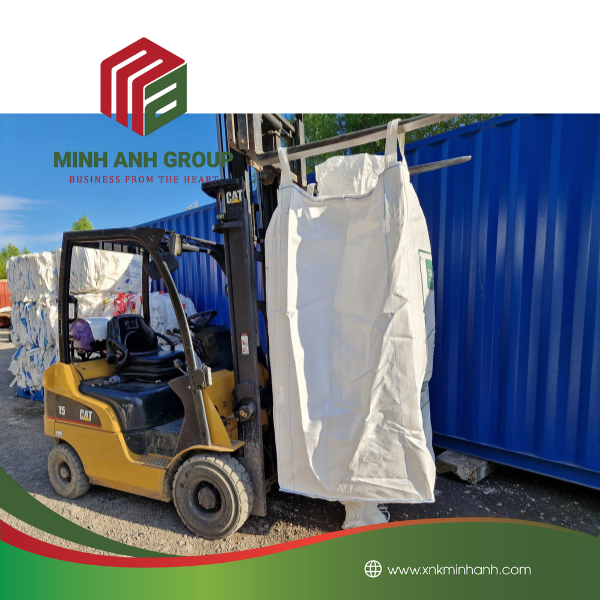
So the next time you bite into a perfectly ripe peach or enjoy a crisp head of lettuce, take a moment to appreciate the unsung heroes behind the scenes: those emotion-sensing liners that kept your produce calm under pressure. Who knows? Maybe one day they’ll write memoirs about their experiences: *”Tales from the Container: A Liner’s Journey Through Stressful Times.”*
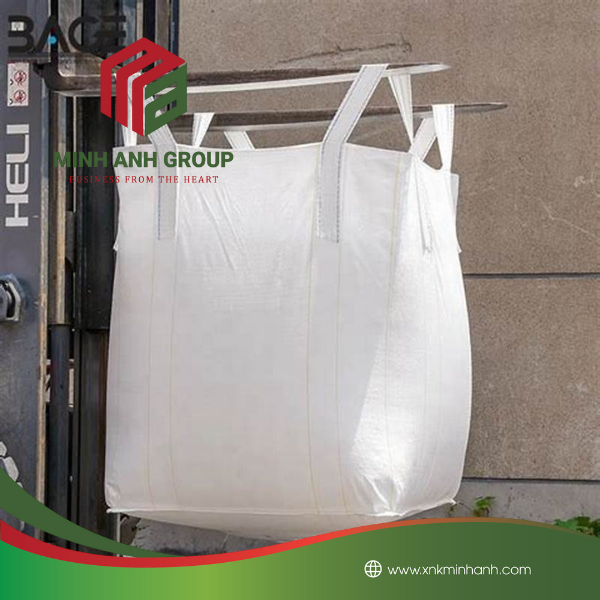
Until then, let’s just be grateful that even our groceries are getting the emotional support they need. After all, happy fruits make happy humans—and that’s something we can all smile about (preferably with a mouthful of stress-free strawberries).
Hãy là người đầu tiên nhận xét “Emotion-Sensing FIBC Liners: Stress Monitoring for Perishable Goods”
Sản phẩm tương tự

Tin Tức Bao Bì

Tin Tức Bao Bì

Tin Tức Bao Bì

Tin Tức Bao Bì

Tin Tức Bao Bì


Tin Tức Bao Bì


Đánh giá
Chưa có đánh giá nào.