
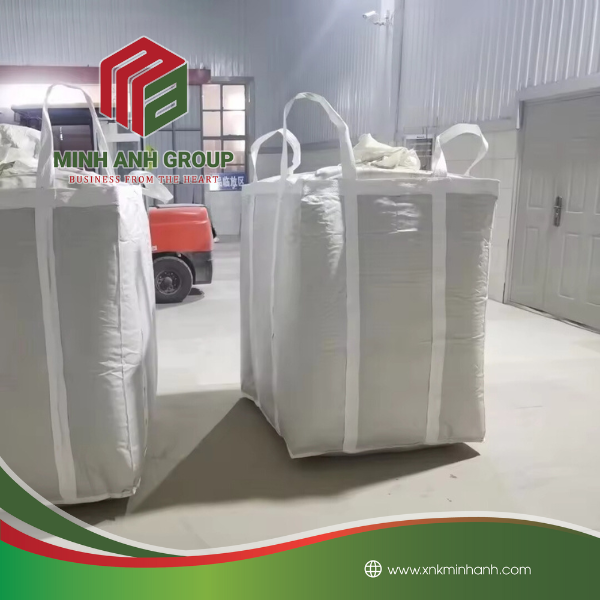
FIBC Bags: A Reliable Solution for Construction Waste
FIBC bags, also known as bulk bags or big bags, are large, flexible containers made from woven polypropylene fabric. These bags are widely used across industries for storing and transporting bulk materials, and their utility in handling construction waste has proven to be highly effective. In this article, we will explore why FIBC bags are a reliable solution for managing construction waste and how they contribute to better waste management practices.
In the construction industry, managing waste effectively is a critical component of maintaining operational efficiency, ensuring compliance with environmental regulations, and promoting sustainable practices. With construction projects generating significant quantities of debris, finding reliable, durable, and cost-effective solutions for waste management is essential. One such solution that has gained prominence over the years is the use of Flexible Intermediate Bulk Containers (FIBC) bags.

FIBC bags, also known as bulk bags or big bags, are large, flexible containers made from woven polypropylene fabric. These bags are widely used across industries for storing and transporting bulk materials, and their utility in handling construction waste has proven to be highly effective. In this article, we will explore why FIBC bags are a reliable solution for managing construction waste and how they contribute to better waste management practices.
Durability and Strength
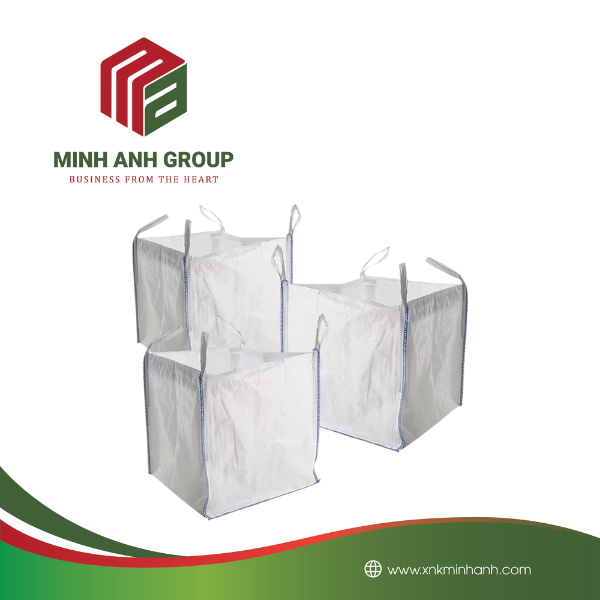
One of the primary reasons FIBC bags are ideal for construction waste is their exceptional durability and strength. Construction sites often generate heavy and abrasive waste materials such as concrete, bricks, rubble, and metal scraps. FIBC bags are designed to withstand such demanding conditions, with high tensile strength that prevents tearing or bursting under heavy loads.
These bags are available in various weight capacities, ranging from 500 kg to over 2,000 kg, allowing them to accommodate diverse waste management needs. Additionally, their robust construction ensures that they can handle sharp or rough materials without compromising their structural integrity.

Versatility in Applications
Construction waste is not uniform—it can include everything from fine dust and soil to bulky debris. FIBC bags offer unmatched versatility in handling different types of waste. They come in various designs, including open-top, duffle-top, and spout-top configurations, making them adaptable to specific requirements.
For instance, open-top FIBC bags are ideal for quickly loading large debris, while spout-top bags are better suited for handling finer materials like sand or gravel. This flexibility ensures that construction teams can select the right type of bag for each application, optimizing waste collection and disposal processes.

Ease of Handling and Transportation
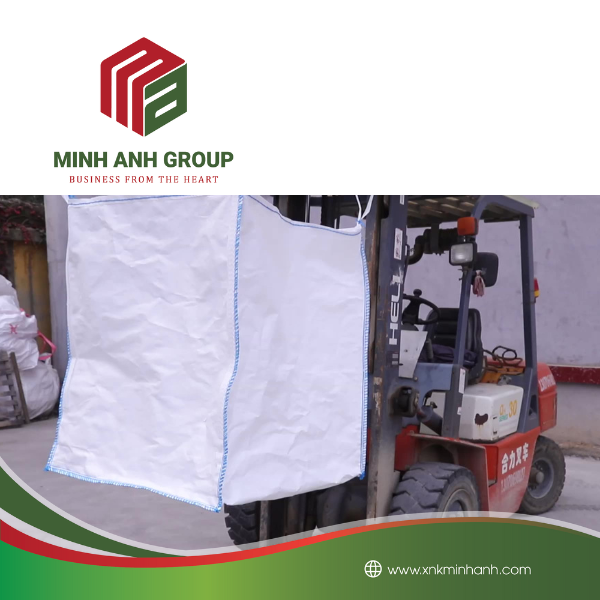
Efficient handling and transportation of construction waste are crucial for maintaining productivity on-site. FIBC bags are equipped with sturdy lifting loops that allow them to be easily moved using forklifts, cranes, or other lifting equipment. This feature simplifies the process of collecting waste from different areas of the site and transporting it to designated disposal or recycling facilities.
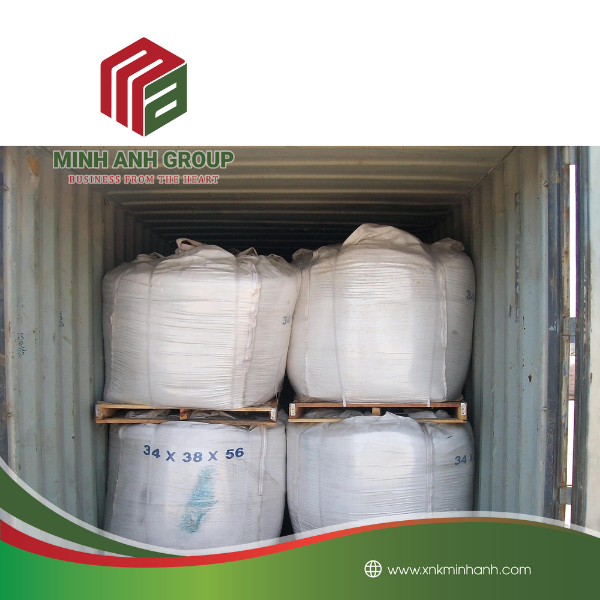
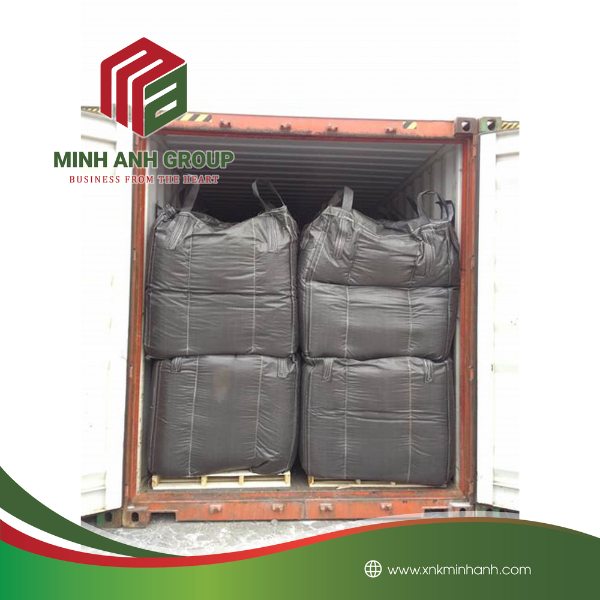
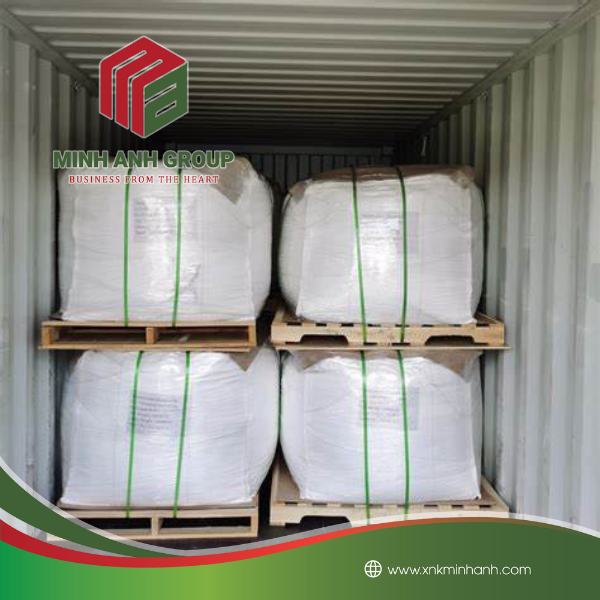
Moreover, the compact design of FIBC bags when empty makes them easy to store and transport to construction sites. Once filled, their stackable nature helps save space during storage and transit, further enhancing operational efficiency.

Cost-Effectiveness
Cost considerations play a significant role in selecting waste management solutions for construction projects. FIBC bags are a cost-effective option due to their reusability and durability. High-quality FIBC bags can often be reused multiple times, reducing the need for frequent replacements and lowering overall expenses.
Additionally, their lightweight design minimizes transportation costs compared to heavier alternatives like metal containers or bins. By choosing FIBC bags, construction companies can achieve substantial savings while maintaining effective waste management practices.

Environmental Benefits
Sustainability is an increasingly important focus in the construction industry. The use of FIBC bags aligns with environmentally responsible practices in several ways. First, their reusability reduces the demand for single-use packaging materials, helping to minimize waste generation.
Second, FIBC bags facilitate the segregation of recyclable materials on-site. By using separate bags for different types of waste—such as concrete, wood, or metal—construction teams can streamline recycling efforts and reduce the amount of material sent to landfills.
Finally, many FIBC bags are made from recyclable polypropylene material. Once a bag reaches the end of its usable life, it can be recycled into new products, further contributing to a circular economy.
Compliance with Regulations
Construction sites are subject to strict regulations regarding waste management and disposal. Non-compliance can result in fines, project delays, or reputational damage. FIBC bags help ensure compliance by providing a reliable method for containing and transporting waste in accordance with legal requirements.
Their sturdy design prevents spills or leaks during transit, reducing the risk of environmental contamination. Additionally, some FIBC bags are available with specialized liners or coatings to handle hazardous materials safely, ensuring adherence to health and safety standards.
Managing construction waste efficiently is a challenge that requires practical and reliable solutions. FIBC bags have emerged as a preferred choice for many construction professionals due to their durability, versatility, ease of handling, cost-effectiveness, environmental benefits, and regulatory compliance.
By integrating FIBC bags into their waste management strategies, construction companies can not only streamline operations but also contribute to sustainable practices that benefit both the environment and their bottom line. As the industry continues to prioritize efficiency and sustainability, FIBC bags will undoubtedly remain a cornerstone of modern construction waste management solutions
Hãy là người đầu tiên nhận xét “FIBC Bags: A Reliable Solution for Construction Waste”
Sản phẩm tương tự

Tin Tức Bao Bì


Tin Tức Bao Bì
Food Cling Film: Outstanding Advantages in Food Preservation

Tin Tức Bao Bì


Tin Tức Bao Bì

Tin Tức Bao Bì


Đánh giá
Chưa có đánh giá nào.