
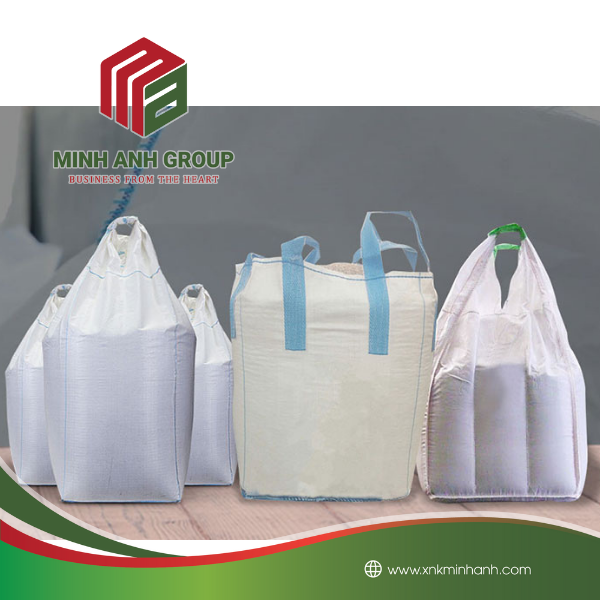
What Are the Safety Standards for FIBC Bags?
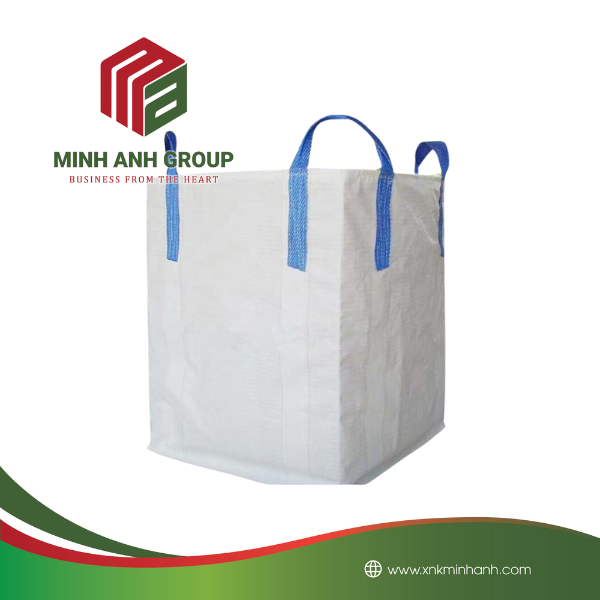
Flexible Intermediate Bulk Containers (FIBCs), commonly known as bulk bags or big bags, are a popular choice for transporting and storing dry, flowable products such as sand, fertilizer, and granules. Due to their widespread use across various industries, ensuring the safety and reliability of these bags is of paramount importance. This article explores the essential safety standards and considerations associated with FIBC bags.
Flexible Intermediate Bulk Containers (FIBCs), commonly known as bulk bags or big bags, are a popular choice for transporting and storing dry, flowable products such as sand, fertilizer, and granules. Due to their widespread use across various industries, ensuring the safety and reliability of these bags is of paramount importance. This article explores the essential safety standards and considerations associated with FIBC bags.

FIBCs are made from woven polypropylene fabric and can hold anywhere from 500 to 2000 kilograms of material. They are designed to be lifted by cranes or forklifts, making them a convenient solution for bulk transportation. Given their capacity and the nature of their contents, adhering to safety standards is crucial to prevent accidents, product loss, or environmental hazards.
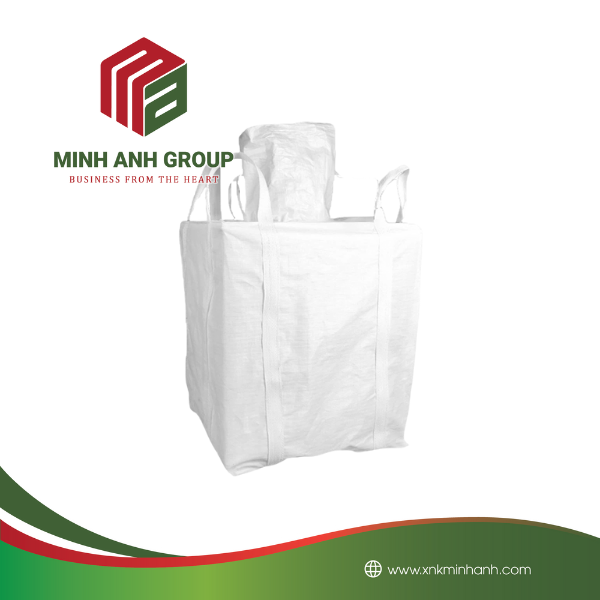
1. ISO Standards: The International Organization for Standardization (ISO) provides guidelines for FIBC design, testing, and usage. ISO 21898:2004 specifies the requirements for FIBCs intended for non-dangerous goods, ensuring they meet specific strength and durability criteria.
2. UN Regulations: For transporting hazardous materials, FIBCs must comply with United Nations (UN) regulations. These include tests for top lift, drop, topple, righting, and stacking to ensure the bags can withstand the rigors of transport without failure.
3. Safety Factor (SF): The safety factor is a critical component of FIBC design, typically set at 5:1 for single-use bags and 6:1 for multi-use bags. This ratio means that the bag has been tested to withstand five or six times its designated safe working load without breaking.
4. Electrostatic Properties: Depending on the material being transported, electrostatic discharge can be a significant hazard. FIBCs are categorized into four types (A, B, C, and D) based on their ability to dissipate static electricity. Type C bags, for instance, are made with conductive threads and must be grounded during filling and emptying processes.
5. UV Protection: Since FIBCs are often stored outdoors, UV stabilization is essential to prevent degradation from sunlight exposure. Manufacturers incorporate UV inhibitors into the polypropylene fabric to extend the life of the bags.
Before being put into use, FIBCs undergo rigorous testing to ensure they meet safety standards. These tests include:
– Top Lift Test: Determines the bag’s ability to withstand vertical lifting forces.
– Drop Test: Assesses the bag’s durability when dropped from a specified height.
– Stack Test: Evaluates the bag’s capacity to bear weight when stacked.
– Tear Test: Measures the bag’s resistance to tearing under stress.

Certification from recognized bodies provides assurance that the FIBCs meet all necessary safety criteria. Users should always check for certification marks and documentation when selecting bulk bags
– Proper Handling: Always use appropriate lifting equipment such as forklifts or cranes with designated lifting loops.
– Regular Inspection: Inspect bags for damage or wear before each use to prevent failures.
– Training: Ensure all personnel involved in handling FIBCs are adequately trained in safe practices.
– Environment Considerations: Store FIBCs in a dry place away from direct sunlight and chemicals that could degrade the fabric.
FIBC bags are an efficient solution for bulk material handling, but their safety depends on adherence to established standards and best practices. By understanding and implementing these safety measures, businesses can minimize risks and ensure smooth operations in their logistics processes. Always choose certified products and consult with manufacturers or safety experts if in doubt about specific requirements for your applications.
Hãy là người đầu tiên nhận xét “What Are the Safety Standards for FIBC Bags?”
Sản phẩm tương tự


Tin Tức Bao Bì


Tin Tức Bao Bì
Food Cling Film: Outstanding Advantages in Food Preservation

Tin Tức Bao Bì


Tin Tức Bao Bì


Đánh giá
Chưa có đánh giá nào.