
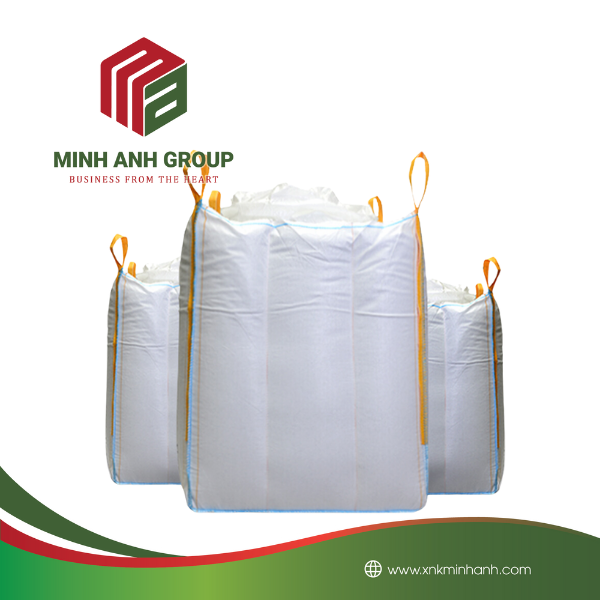
How to Dispose of FIBC Bags Responsibly
Flexible Intermediate Bulk Containers (FIBCs), commonly known as bulk bags, are widely used across various industries for the transportation and storage of dry, flowable products. Their popularity stems from their versatility, strength, and cost-effectiveness. However, with their widespread use comes the responsibility of disposing of them in an environmentally friendly manner. Improper disposal of FIBC bags can lead to environmental degradation and contribute to landfill waste. This article outlines the best practices for responsibly disposing of FIBC bags.
Flexible Intermediate Bulk Containers (FIBCs), commonly known as bulk bags, are widely used across various industries for the transportation and storage of dry, flowable products. Their popularity stems from their versatility, strength, and cost-effectiveness. However, with their widespread use comes the responsibility of disposing of them in an environmentally friendly manner. Improper disposal of FIBC bags can lead to environmental degradation and contribute to landfill waste. This article outlines the best practices for responsibly disposing of FIBC bags.
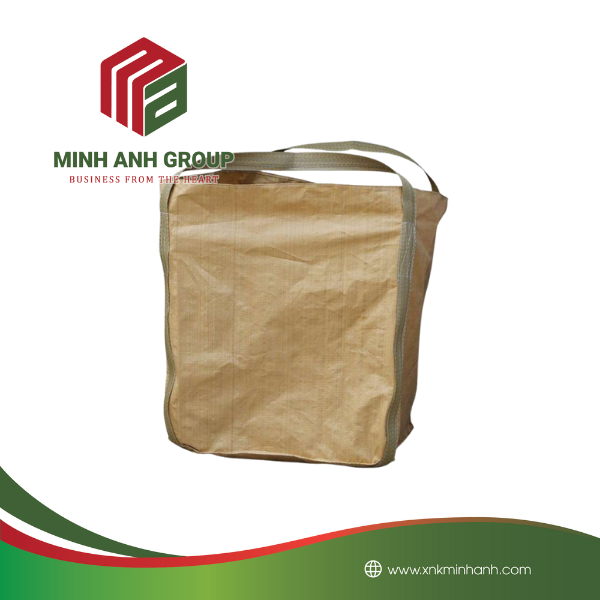
Before delving into disposal methods, it is essential to understand the composition of FIBC bags. Typically made from woven polypropylene, these bags are designed to carry heavy loads and are known for their durability. Some FIBCs are manufactured for single-use, while others are designed for multiple uses. Understanding the type of FIBC bag in use is crucial for determining the appropriate disposal method.
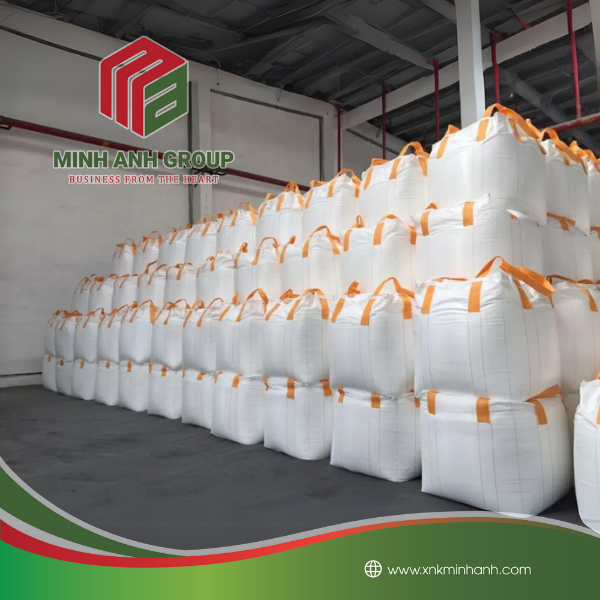
1. Reuse: The most sustainable option is to reuse FIBC bags whenever possible. Multi-trip FIBCs are specifically designed for this purpose. Before reusing, inspect the bags for any damage or wear and ensure they meet safety standards for their intended use. Reusing reduces the demand for new bags and minimizes waste.
2. Recycling: If reuse is not feasible, recycling is the next best alternative. Polypropylene, the primary material in FIBC bags, is recyclable. Many recycling facilities accept FIBCs, provided they are clean and free from contaminants. It is advisable to check with local recycling centers to confirm they process polypropylene materials.
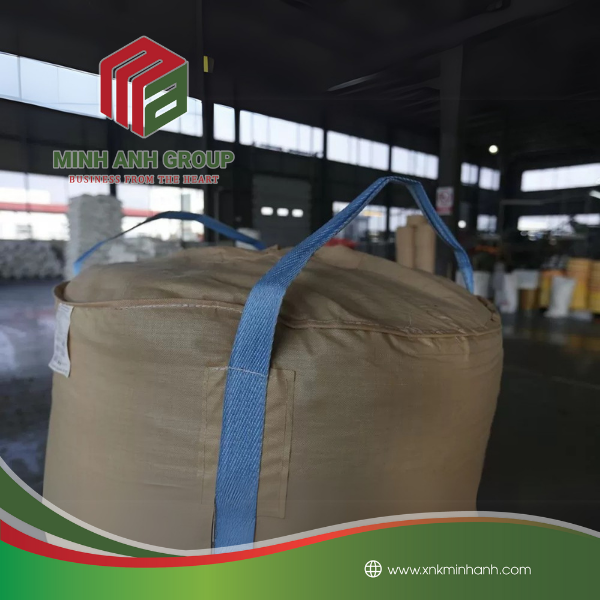
1. Cleaning: Before recycling or disposal, ensure that FIBC bags are thoroughly cleaned. Remove any residues or contaminants that may have been transported in the bags. This step is crucial to prevent contamination during the recycling process.
2. Sorting: Separate FIBC bags from other waste materials to streamline the recycling process. Proper sorting ensures that recycling facilities can efficiently process the polypropylene material.
3. Contacting Manufacturers: Some FIBC manufacturers offer take-back programs where they accept used bags for recycling or proper disposal. Engaging with these programs can ensure that the bags are handled responsibly.
1. Avoid Burning: Burning polypropylene releases harmful toxins into the atmosphere and should be strictly avoided. This practice contributes to air pollution and poses health risks.
2. Landfill Impact: While landfilling is an option, it should be considered a last resort due to the long decomposition time of polypropylene. Efforts should be made to explore all other avenues before resorting to landfill disposal.
Organizations using FIBC bags should implement policies that emphasize responsible disposal practices. Training employees on proper handling and disposal methods can significantly reduce environmental impact. Additionally, partnering with environmentally conscious suppliers can further enhance sustainability efforts.
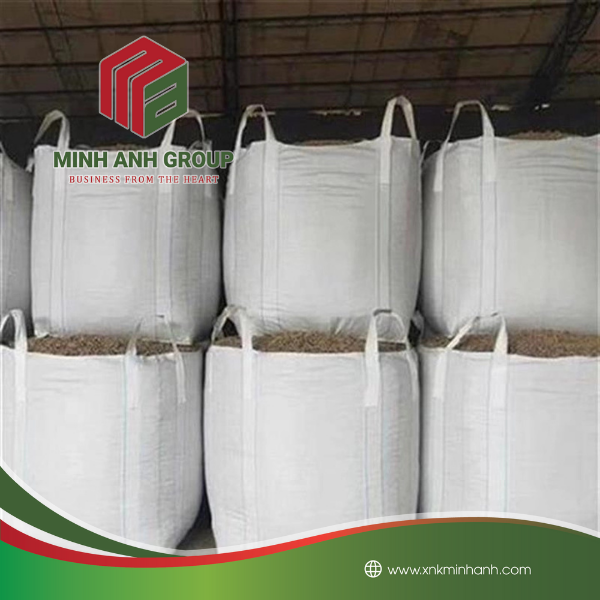
Responsible disposal of FIBC bags is a critical aspect of environmental stewardship in industries reliant on these containers. By prioritizing reuse and recycling, cleaning and sorting materials, and collaborating with manufacturers, businesses can significantly reduce their ecological footprint. As we continue to advance towards a more sustainable future, every step towards responsible waste management counts. Adopting these practices not only benefits the environment but also aligns with corporate social responsibility objectives, ultimately contributing to a healthier planet for future generations.
Hãy là người đầu tiên nhận xét “How to Dispose of FIBC Bags Responsibly”
Sản phẩm tương tự

Tin Tức Bao Bì


Tin Tức Bao Bì

Tin Tức Bao Bì


Đánh giá
Chưa có đánh giá nào.