

What Are Ziplock Bags Used For?
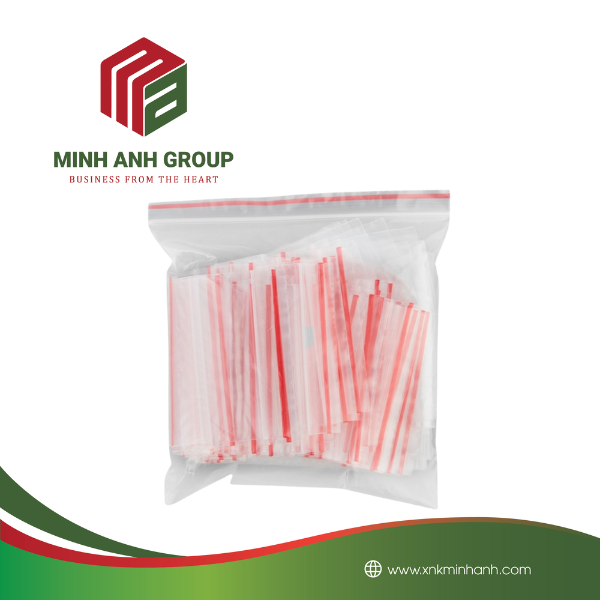
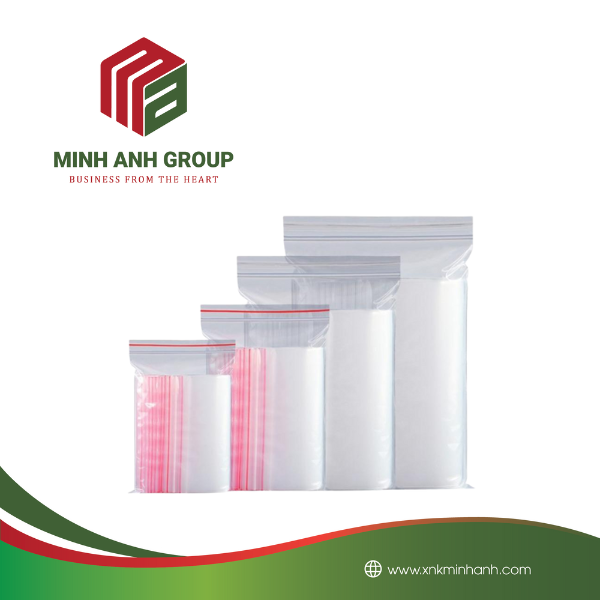
Ziplock bags, often referred to as resealable plastic bags, are a staple in households, offices, and industries worldwide. Known for their convenience, durability, and ability to create an airtight seal, these bags serve a wide range of purposes that go far beyond simple storage. In this article, we will explore the various uses of Ziplock bags, highlighting their practicality in different settings.
Ziplock bags, often referred to as resealable plastic bags, are a staple in households, offices, and industries worldwide. Known for their convenience, durability, and ability to create an airtight seal, these bags serve a wide range of purposes that go far beyond simple storage. In this article, we will explore the various uses of Ziplock bags, highlighting their practicality in different settings.

1. Food Storage and Preservation
One of the most common uses of Ziplock bags is food storage. These bags are designed to keep food fresh by preventing air and moisture from entering. They are particularly useful for storing leftovers, packing lunches, or freezing perishable items like fruits, vegetables, and meats. The airtight seal helps to reduce freezer burn and prolong the shelf life of stored items.
Additionally, Ziplock bags are ideal for portioning snacks or meal prepping. By dividing food into individual servings, they make it easy to grab a quick bite on the go or prepare meals in advance.

2. Travel Organization
Ziplock bags are indispensable when it comes to travel. They can be used to organize toiletries, protect electronics from water damage, or separate clean and dirty clothes in a suitcase. For air travel, resealable bags are often required for carrying liquids, gels, and aerosols in hand luggage to comply with security regulations.
Moreover, travelers can use these bags to store important documents, such as passports and tickets, ensuring they remain safe and dry.

3. Craft and Hobby Supplies
Crafters and hobbyists often rely on Ziplock bags to store and organize small items like beads, buttons, threads, or screws. The transparent design allows users to easily identify contents without opening the bag, saving time and effort during projects. For artists, these bags can also be used to store paints or brushes while keeping them protected from dust and moisture.
4. Home Organization
In the home, Ziplock bags are a practical solution for decluttering and organizing small items. They can be used to store batteries, cables, or miscellaneous items like keys and coins. By grouping similar objects together in labeled bags, homeowners can create a more organized living space.
Parents can also use Ziplock bags to store children’s toys, such as puzzle pieces or building blocks, ensuring that small parts are not lost.
5. Emergency Preparedness
Ziplock bags play a crucial role in emergency preparedness kits. They can be used to store matches, first-aid supplies, or important documents to keep them dry and accessible during emergencies. Their lightweight and compact nature make them easy to include in survival kits or bug-out bags.
Additionally, these bags can serve as makeshift water containers or help collect rainwater in survival scenarios.
6. Gardening Applications
Gardeners can use Ziplock bags for seed storage or germination. By placing seeds in a bag with a damp paper towel, they can create a controlled environment for sprouting. The airtight seal also helps preserve seeds for future planting by protecting them from moisture and pests.
7. DIY Projects and Repairs
Ziplock bags are often used in DIY projects and repairs due to their versatility. For example, they can be filled with ice to create an instant cold pack for minor injuries or used as temporary gloves when handling messy substances like paint or glue.
In addition, these bags can be repurposed for creative projects, such as making sensory bags for children or creating custom freezer packs for lunches.
8. Industrial and Commercial Uses
Beyond household applications, Ziplock bags are widely used in industrial and commercial settings. Laboratories use them to store samples securely, while retail businesses may package small products like jewelry or hardware in resealable bags for sale.
In the healthcare industry, Ziplock bags are often employed to safely transport medical supplies or specimens.

9. Environmental Considerations
While Ziplock bags are incredibly useful, it is important to consider their environmental impact. Many traditional Ziplock bags are made from plastic that is not biodegradable. To reduce waste, users are encouraged to reuse these bags whenever possible or opt for eco-friendly alternatives made from biodegradable materials.
Recycling programs that accept plastic bags can also help minimize their environmental footprint.
Ziplock bags are a versatile tool with countless applications across various aspects of daily life. From food storage to emergency preparedness and beyond, their practicality makes them an essential item in homes and workplaces alike. By using these bags responsibly and exploring sustainable options, individuals can maximize their benefits while minimizing their environmental impact.
Hãy là người đầu tiên nhận xét “What Are Ziplock Bags Used For?”
Sản phẩm tương tự

Tin Tức Bao Bì


Tin Tức Bao Bì

Tin Tức Bao Bì

Tin Tức Bao Bì


Tin Tức Bao Bì

Tin Tức Bao Bì


Đánh giá
Chưa có đánh giá nào.