
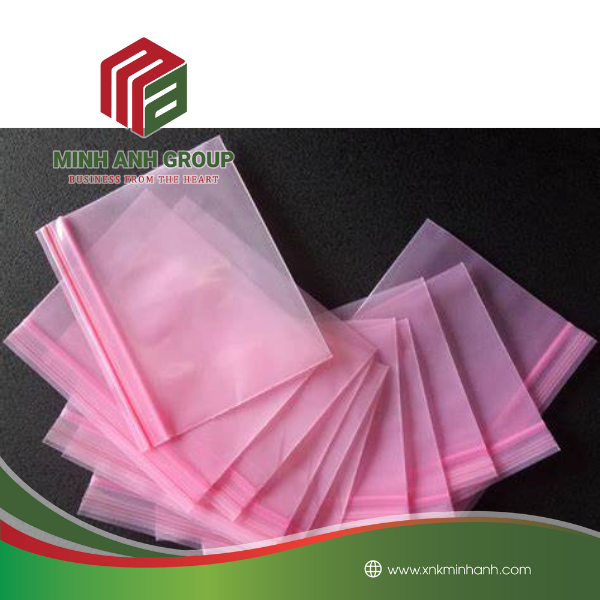
How Do Ziplock Bags Keep Food Fresh?
Ziplock bags have become a staple in kitchens around the world, offering a convenient and effective way to store food. These resealable plastic bags are not only easy to use but also play a critical role in preserving the freshness of food. But how exactly do Ziplock bags work to keep food fresh? Let’s explore the science and design behind their effectiveness.
Ziplock bags have become a staple in kitchens around the world, offering a convenient and effective way to store food. These resealable plastic bags are not only easy to use but also play a critical role in preserving the freshness of food. But how exactly do Ziplock bags work to keep food fresh? Let’s explore the science and design behind their effectiveness.
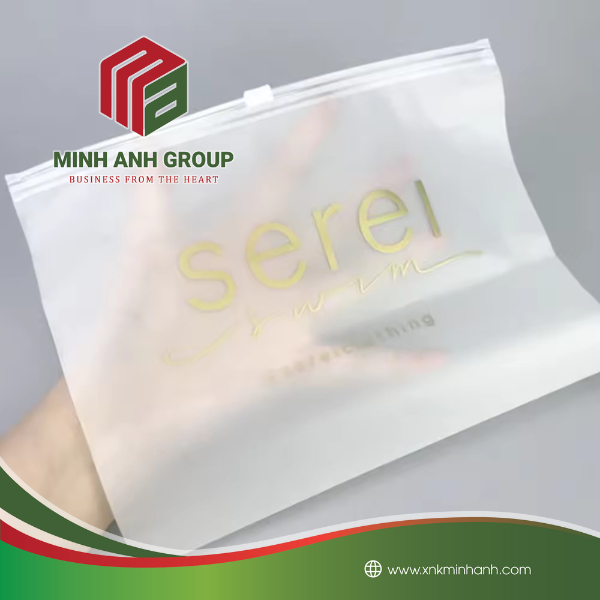
The Science of Freshness
The primary factors that contribute to food spoilage are exposure to air, moisture, and microorganisms like bacteria and mold. Each of these elements can accelerate the breakdown of food, leading to changes in texture, flavor, and nutritional value. Ziplock bags are designed to combat these factors by creating a controlled environment for food storage.
1. Barrier Against Air Exposure
One of the main ways Ziplock bags keep food fresh is by limiting exposure to air. Oxygen in the air can lead to oxidation, a chemical reaction that causes spoilage. For example, oxidation is responsible for the browning of cut fruits like apples and avocados and the rancidity of oils and fats. By sealing food tightly in a Ziplock bag, you reduce the amount of oxygen that comes into contact with the food, slowing down these processes.
2. Moisture Control
Moisture can be both a friend and a foe when it comes to food preservation. For certain foods, such as leafy greens, maintaining the right level of moisture is crucial to prevent wilting. On the other hand, too much moisture can create an ideal environment for mold and bacteria to thrive. Ziplock bags help by providing a moisture barrier. When sealed properly, they prevent external moisture from entering the bag while also retaining the natural moisture content of the food.
3. Protection from Contaminants
Ziplock bags act as a shield against external contaminants such as dust, dirt, and microorganisms. This is particularly important for perishable items like raw meat, fruits, and vegetables. By keeping these contaminants out, Ziplock bags help extend the shelf life of food and reduce the risk of foodborne illnesses.
The Role of Design
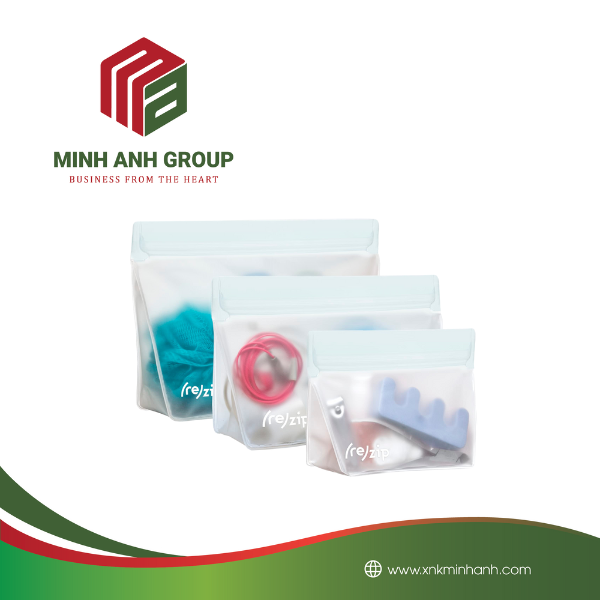
The effectiveness of Ziplock bags lies not only in their material but also in their design features. These bags are typically made from polyethylene or other food-grade plastics that are durable, flexible, and resistant to punctures. The resealable zipper mechanism is another key component that enhances their functionality.
1. Air-Tight Seals
The zipper closure on a Ziplock bag is engineered to create an airtight seal when pressed together. This seal is crucial for preventing air and moisture from entering or escaping the bag. To ensure maximum freshness, it’s important to press out as much air as possible before sealing the bag.
2. Versatility in Sizes
Ziplock bags come in a variety of sizes, allowing users to store everything from small snacks to large cuts of meat. This versatility ensures that foods can be stored without excessive empty space inside the bag, which could otherwise trap air and compromise freshness.
3. Freezer-Friendly Features
Many Ziplock bags are designed to withstand freezing temperatures, making them ideal for long-term food storage. Freezer-grade Ziplock bags are thicker and more durable than regular ones, providing extra protection against freezer burn—a condition caused by dehydration and oxidation in frozen foods.
Best Practices for Using Ziplock Bags
While Ziplock bags are highly effective at preserving freshness, their performance can be optimized by following a few best practices:
– Remove Excess Air: Before sealing the bag, press out as much air as possible to minimize oxidation.
– Use Appropriate Sizes: Choose a bag size that matches the quantity of food you’re storing to reduce empty space.
– Double-Bag for Strong Odors: For foods with strong odors, such as onions or fish, consider double-bagging to prevent smells from permeating your refrigerator or freezer.
– Label and Date: Write the contents and date on the bag to keep track of storage times and ensure you use older items first.
– Avoid Overfilling: Overfilling can compromise the seal and reduce the effectiveness of the bag.

Environmental Considerations
While Ziplock bags are convenient and effective, they are made from plastic, which raises concerns about environmental sustainability. To minimize waste, consider reusing Ziplock bags whenever possible. Many bags can be washed and dried for repeated use, especially if they were used to store dry or non-greasy items. Alternatively, you can explore eco-friendly options such as reusable silicone storage bags.
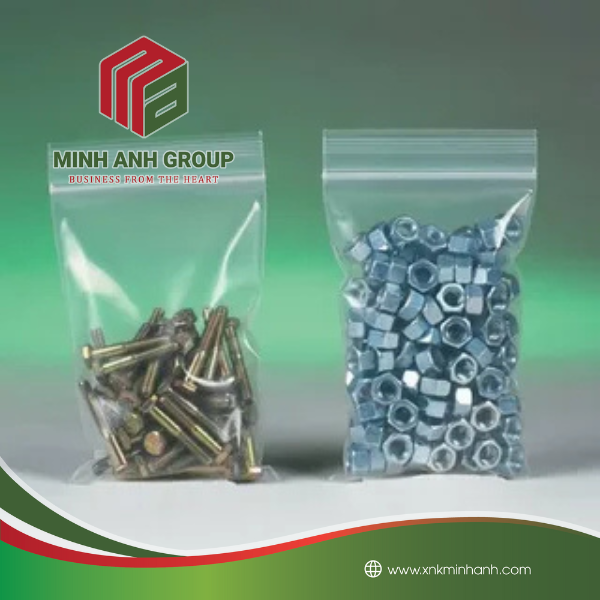
Ziplock bags are a simple yet ingenious solution for keeping food fresh. By limiting exposure to air, moisture, and contaminants, these bags help slow down spoilage and extend the shelf life of various foods. Their design features, including airtight seals and durable materials, make them a versatile tool for food storage in households and commercial settings alike.
Although they offer numerous benefits, it’s important to use them responsibly to reduce environmental impact. With proper use and care, Ziplock bags can continue to be an essential ally in maintaining food quality and minimizing waste in your kitchen.
Hãy là người đầu tiên nhận xét “How Do Ziplock Bags Keep Food Fresh?”
Sản phẩm tương tự

Tin Tức Bao Bì


Tin Tức Bao Bì

Tin Tức Bao Bì


Tin Tức Bao Bì

Tin Tức Bao Bì


Đánh giá
Chưa có đánh giá nào.