

What Are the Emerging Trends in FIBC Bag Usage?
These versatile containers, typically made from woven polypropylene, are widely used across industries such as agriculture, construction, chemicals, and food processing. As global supply chains evolve and sustainability becomes a key focus, the demand for FIBCs continues to grow. Alongside this growth, several emerging trends are shaping the way these bags are designed, manufactured, and utilized. Below, we explore the most notable trends in FIBC bag usage.
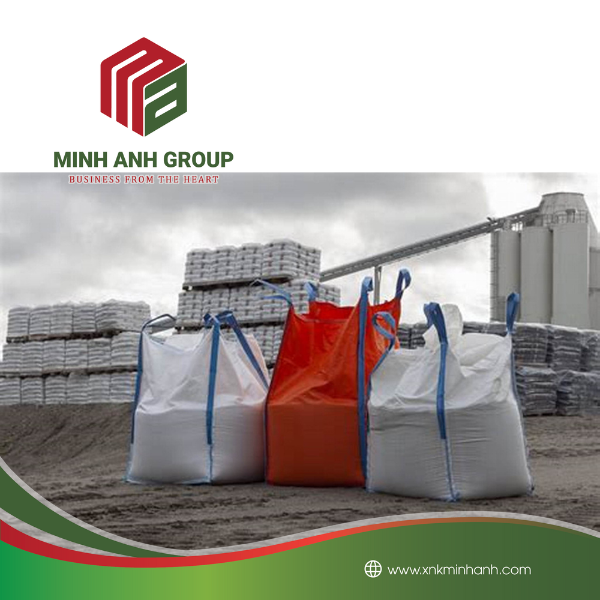
Flexible Intermediate Bulk Containers (FIBCs), commonly referred to as bulk bags or jumbo bags, have become an essential part of modern industrial packaging. These versatile containers, typically made from woven polypropylene, are widely used across industries such as agriculture, construction, chemicals, and food processing. As global supply chains evolve and sustainability becomes a key focus, the demand for FIBCs continues to grow. Alongside this growth, several emerging trends are shaping the way these bags are designed, manufactured, and utilized. Below, we explore the most notable trends in FIBC bag usage.
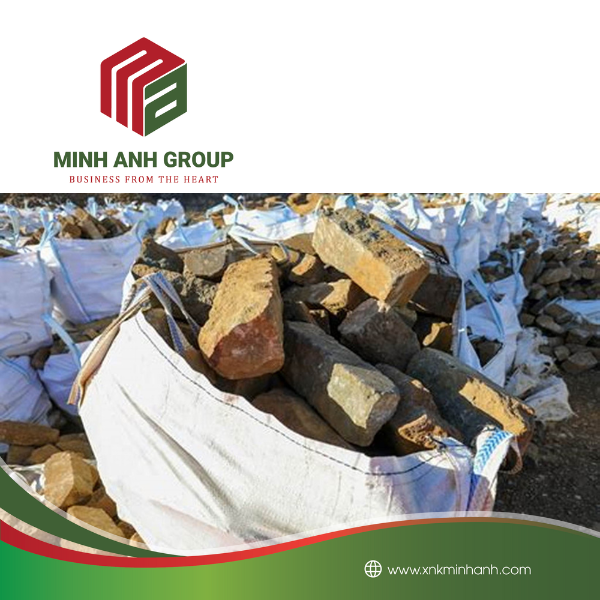
1. Increased Focus on Sustainability
One of the most prominent trends in FIBC bag usage is the shift toward sustainable practices. Businesses are under increasing pressure to reduce their environmental footprint, and packaging plays a critical role in achieving this goal. Manufacturers are now developing eco-friendly FIBCs using recyclable and biodegradable materials, such as bio-based polypropylene. Additionally, reusable FIBCs are gaining traction, particularly in industries where closed-loop supply chains allow for the collection, cleaning, and redistribution of used bags.
The adoption of sustainable FIBCs not only helps companies meet regulatory requirements but also enhances their brand image by demonstrating a commitment to environmental responsibility.
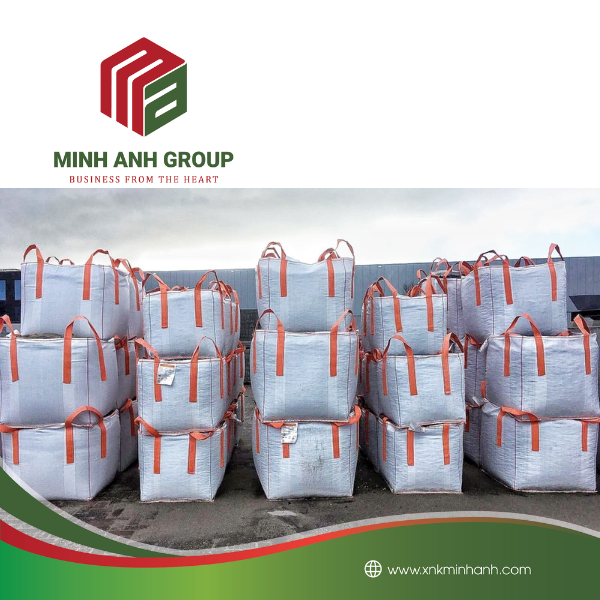
2. Customization for Industry-Specific Needs
As industries diversify and face unique challenges, the demand for customized FIBCs has risen significantly. Companies now require bags tailored to specific applications, whether it’s transporting fine powders, hazardous chemicals, or food-grade products. To meet these needs, manufacturers are offering specialized features such as:
– Anti-static or conductive materials for safe handling of flammable or explosive substances.
– Food-grade liners to maintain hygiene and comply with FDA and EU regulations for food safety.
– UV-resistant coatings for outdoor storage and transportation.
– Ventilated designs for agricultural products like potatoes or onions that require airflow.
Customization not only improves functionality but also enhances operational efficiency by ensuring that the bags meet precise requirements.
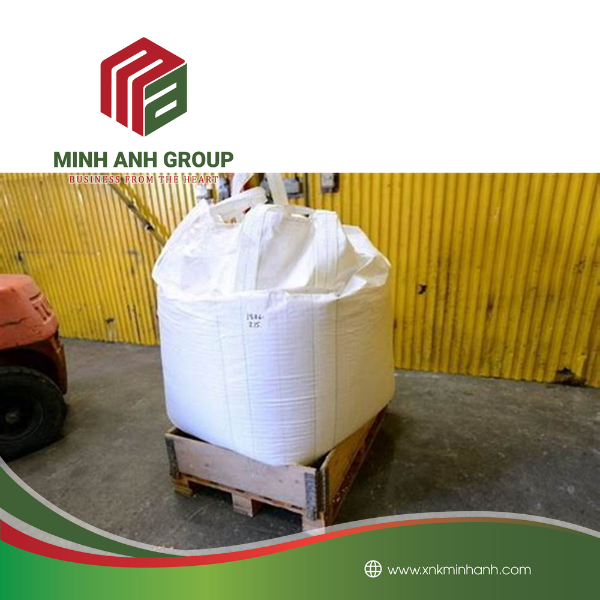
3. Advancements in Manufacturing Technology
Technological advancements in manufacturing processes have led to significant improvements in FIBC quality, durability, and design. Automation and precision engineering are enabling manufacturers to produce bags with consistent dimensions, higher weight capacities, and enhanced resistance to wear and tear. Additionally, new weaving techniques allow for the production of lighter yet stronger bags.
Smart manufacturing practices are also contributing to cost reductions, making high-quality FIBCs more accessible to businesses of all sizes. These advancements ensure that FIBCs remain a reliable and cost-effective solution for bulk packaging needs.
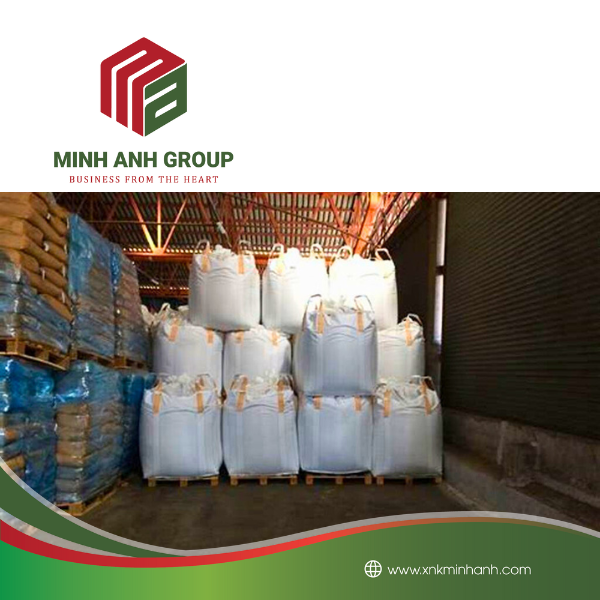
4. Integration of Smart Features
The integration of smart technologies into FIBCs is an emerging trend that is transforming how businesses manage their supply chains. RFID (Radio Frequency Identification) tags and QR codes can now be embedded into the bags, enabling real-time tracking of inventory and shipments. These smart features provide valuable data on bag usage, location, and condition, helping companies optimize logistics and reduce waste.
For industries dealing with perishable goods or sensitive materials, sensors can be incorporated into FIBCs to monitor temperature, humidity, or other environmental factors. This ensures product quality is maintained throughout the transportation process.

5. Growth in E-Commerce and Logistics Applications
The rapid expansion of e-commerce has created new opportunities for FIBC usage. As online retailers and third-party logistics providers (3PLs) handle larger volumes of goods, bulk packaging solutions like FIBCs are becoming increasingly popular for warehouse storage and transportation.
FIBCs offer several advantages in this context, including space efficiency and ease of handling with forklifts or pallet jacks. Their ability to hold large quantities of goods while minimizing packaging waste makes them an ideal choice for high-volume operations.
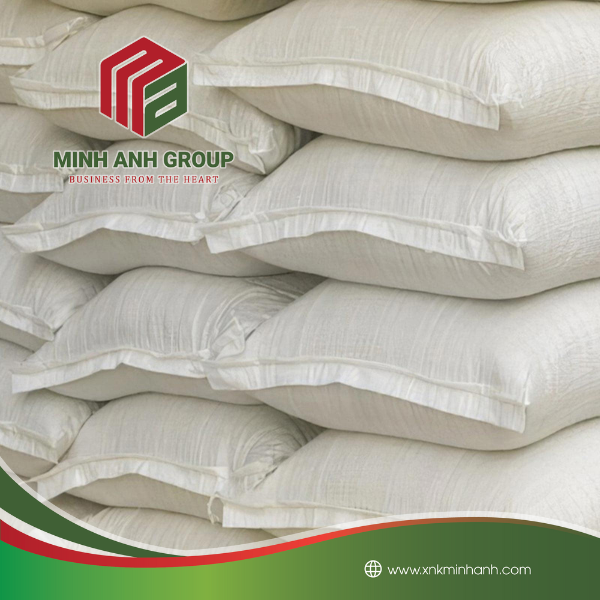
6. Emphasis on Safety Standards
With growing awareness of workplace safety regulations, there is an increased emphasis on ensuring that FIBCs meet stringent safety standards. Manufacturers are investing in rigorous testing and certification processes to guarantee that their products can withstand heavy loads and challenging conditions.
For instance, UN-certified FIBCs are specifically designed for transporting hazardous materials. These bags undergo extensive testing to ensure compliance with international safety guidelines, providing peace of mind to businesses handling dangerous goods.

7. Rising Demand in Emerging Markets
Emerging economies in Asia, Africa, and Latin America are witnessing rapid industrialization and urbanization, driving demand for cost-effective bulk packaging solutions. The construction sector in these regions, in particular, is a major consumer of FIBCs for transporting cement, sand, and other building materials.
As infrastructure projects expand globally, the use of FIBCs is expected to grow further. Manufacturers are increasingly targeting these markets by offering affordable yet high-quality products tailored to local needs.
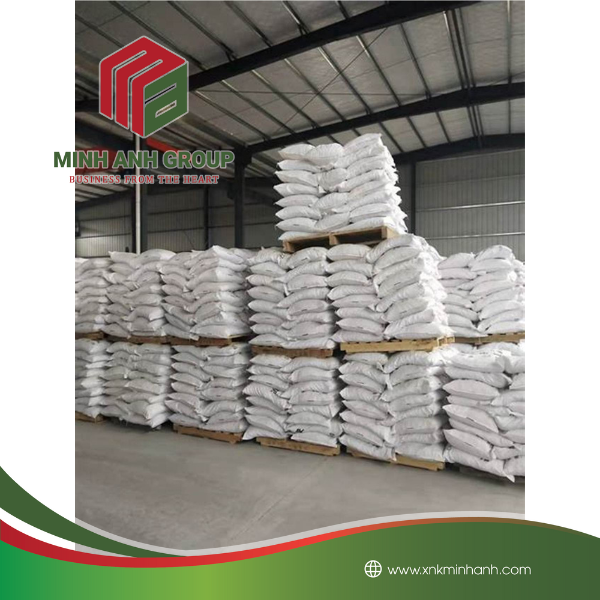
8. Focus on Lightweight Designs
Another noteworthy trend is the development of lightweight FIBCs without compromising strength or durability. These designs reduce transportation costs by lowering overall shipment weight while maintaining high load capacities. Lightweight bags are especially beneficial for industries like agriculture and chemicals that require frequent long-distance transportation.
Innovations in material science have played a key role in achieving these lightweight designs. By using advanced polymers and weaving techniques, manufacturers can create bags that strike the perfect balance between weight and performance.
9. Enhanced Branding Opportunities
FIBCs are increasingly being used as a medium for branding and marketing. Many manufacturers now offer printing services that allow businesses to display their logos, company names, or product information directly on the bags. This not only enhances brand visibility but also provides a professional appearance during transportation and storage.
For companies exporting goods internationally, branded FIBCs can serve as a means of reinforcing their identity in competitive markets.
The usage of FIBC bags is evolving rapidly in response to changing industry demands and global trends. From sustainability initiatives to technological advancements and market-specific innovations, these versatile containers are adapting to meet the needs of modern businesses. As industries continue to prioritize efficiency, safety, and environmental responsibility, the role of FIBCs in global supply chains is set to grow even further.

By staying ahead of these emerging trends, manufacturers and businesses alike can capitalize on the benefits offered by FIBCs while contributing to a more sustainable future. Whether through smart technologies or eco-friendly designs, the future of FIBC bag usage promises exciting opportunities for innovation and growth.
Hãy là người đầu tiên nhận xét “What Are the Emerging Trends in FIBC Bag Usage?”
Sản phẩm tương tự


Tin Tức Bao Bì


Tin Tức Bao Bì


Tin Tức Bao Bì
Food Cling Film: Outstanding Advantages in Food Preservation

Tin Tức Bao Bì

Tin Tức Bao Bì

Tin Tức Bao Bì


Đánh giá
Chưa có đánh giá nào.