
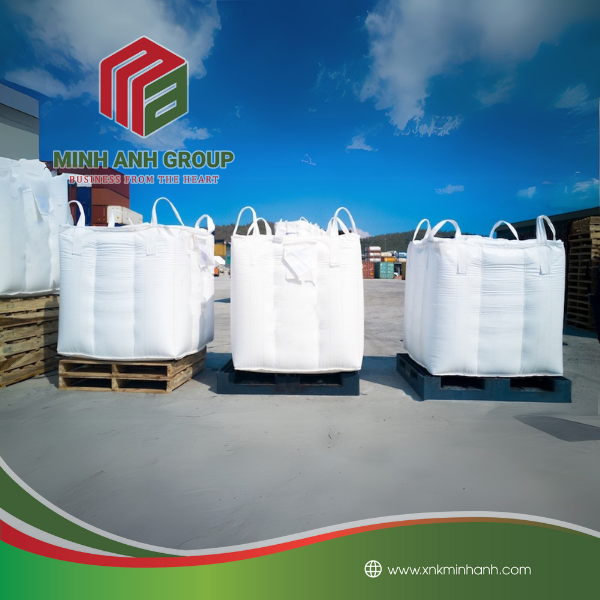
What Are the Common Misconceptions About FIBC Bags?

FIBC bags are a versatile and efficient solution for transporting bulk materials across various industries. By dispelling these common misconceptions, businesses can make informed decisions regarding their use and maximize the benefits these bags offer. Understanding the specific features and capabilities of FIBCs ensures they are used safely and effectively, enhancing productivity while maintaining high safety standards. As industries continue to evolve, embracing the advantages of FIBC bags will undoubtedly play a crucial role in optimizing logistics and storage operations.
Flexible Intermediate Bulk Containers (FIBCs), commonly referred to as bulk bags or big bags, have become an integral component in the logistics and storage sectors across various industries. Known for their versatility and efficiency in transporting large quantities of materials, FIBCs are used extensively in industries such as agriculture, construction, chemicals, and food processing. Despite their widespread usage and proven utility, there are several misconceptions surrounding these bags that can lead to confusion and suboptimal use. This article aims to clarify these misconceptions and provide a clearer understanding of FIBC bags.
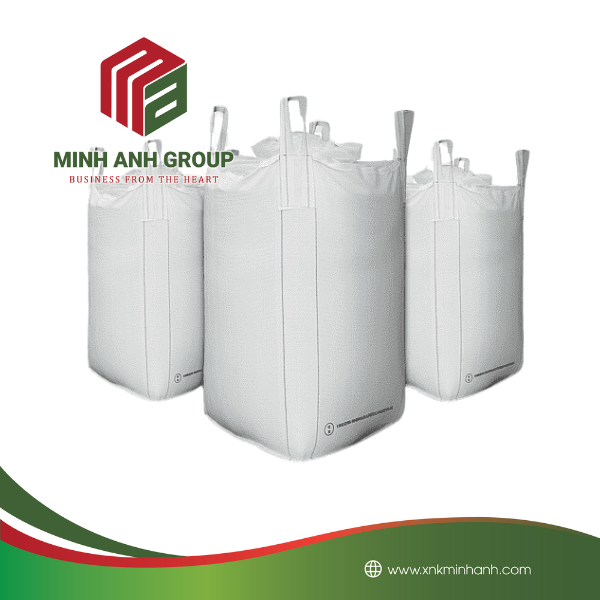
A prevalent misconception is that FIBC bags are not durable enough for heavy-duty applications. In reality, FIBC bags are designed to handle significant weights, often ranging from 500 kg to 2,000 kg or more. Made from woven polypropylene fabric, these bags are engineered to be robust and resistant to wear and tear. Their durability is further enhanced by the inclusion of features such as reinforced seams and lifting loops, ensuring they can withstand rigorous handling and harsh environmental conditions.
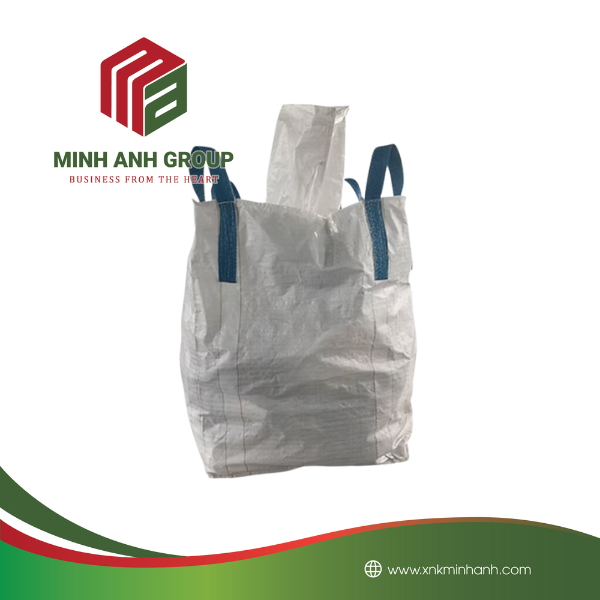
Another common myth is that FIBC bags are unsuitable for transporting or storing food products. However, there are specific FIBC bags designed to meet stringent food safety standards. These food-grade FIBCs are manufactured in clean environments and undergo rigorous testing to ensure they do not contaminate the contents. They are often made from virgin polypropylene and include additional features such as liners or anti-static properties to further safeguard food products.
A frequent misunderstanding is that all FIBC bags are identical and interchangeable. In truth, FIBC bags come in various designs, sizes, and specifications tailored to specific applications. For instance, there are Type A, B, C, and D FIBCs, each with distinct characteristics suited for different materials and conditions. Type C bags, for example, are designed with conductive threads to safely dissipate static electricity, making them suitable for transporting flammable powders. Understanding the specific requirements of each type is crucial for optimal performance and safety.
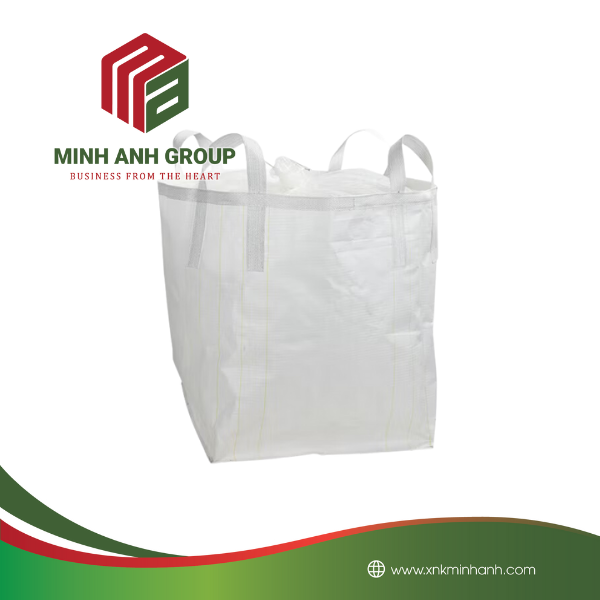
Some believe that FIBC bags contribute to environmental degradation due to their plastic composition. However, many FIBC bags are recyclable and can be reused multiple times before reaching the end of their lifecycle. Additionally, advancements in manufacturing have led to the development of eco-friendly options that reduce environmental impact. Companies are increasingly adopting practices such as recycling and reprocessing used bags into new products, thereby minimizing waste.
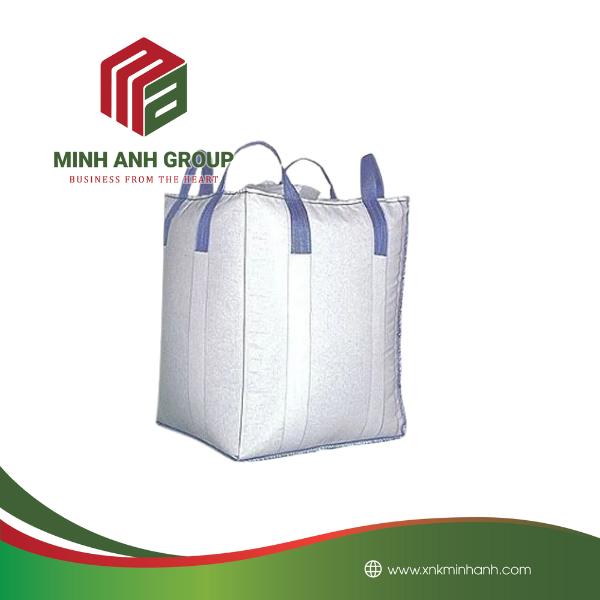
Handling concerns often arise due to the size and weight capacity of FIBC bags. However, these bags are specifically designed for ease of handling. They feature lifting loops that allow them to be moved with forklifts or cranes efficiently. Moreover, there are various discharge options available, such as spouts or full-open bottoms, which facilitate easy unloading of contents. Proper training and equipment can further streamline the handling process, ensuring safety and efficiency.
Cost concerns can deter businesses from adopting FIBC bags, with the misconception that they are an expensive packaging solution. While the initial investment may be higher compared to smaller packaging options, the cost-effectiveness of FIBCs lies in their ability to transport large volumes efficiently. This reduces the need for multiple smaller containers, lowers transportation costs, and minimizes handling time. The long-term savings and increased operational efficiency often outweigh the initial expenditure.
FIBC bags are a versatile and efficient solution for transporting bulk materials across various industries. By dispelling these common misconceptions, businesses can make informed decisions regarding their use and maximize the benefits these bags offer. Understanding the specific features and capabilities of FIBCs ensures they are used safely and effectively, enhancing productivity while maintaining high safety standards. As industries continue to evolve, embracing the advantages of FIBC bags will undoubtedly play a crucial role in optimizing logistics and storage operations.
Hãy là người đầu tiên nhận xét “What Are the Common Misconceptions About FIBC Bags?”
Sản phẩm tương tự

Tin Tức Bao Bì

Tin Tức Bao Bì


Tin Tức Bao Bì


Tin Tức Bao Bì

Tin Tức Bao Bì

Tin Tức Bao Bì


Đánh giá
Chưa có đánh giá nào.