
Understanding the Durability of FIBC Sling Bags

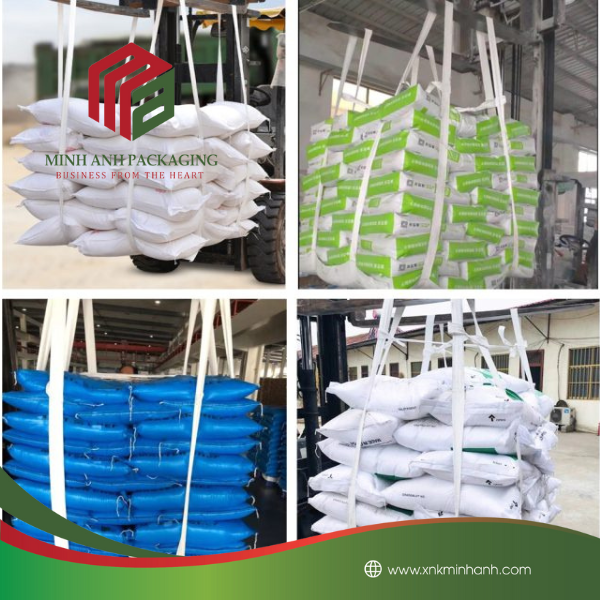
Flexible Intermediate Bulk Containers (FIBC) sling bags are widely used in various industries for the transportation and storage of bulk materials. These bags are designed to be durable and reliable, capable of withstanding the rigors of handling, transportation, and storage. Understanding the durability of FIBC sling bags is essential for ensuring the safe and efficient handling of bulk materials.
Flexible Intermediate Bulk Containers (FIBC) sling bags are widely used in various industries for the transportation and storage of bulk materials. These bags are designed to be durable and reliable, capable of withstanding the rigors of handling, transportation, and storage. Understanding the durability of FIBC sling bags is essential for ensuring the safe and efficient handling of bulk materials.
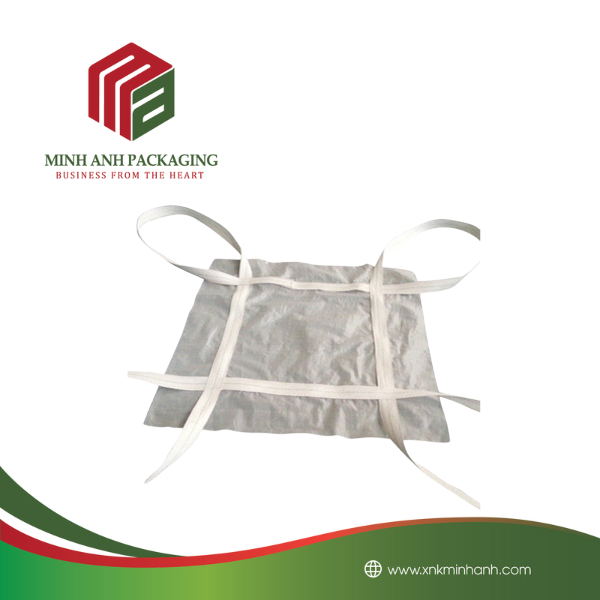
The durability of FIBC sling bags begins with the selection of high-quality materials. These bags are typically made from woven polypropylene, a strong and resilient material that can withstand heavy loads and harsh environmental conditions. The weave pattern and fabric weight of the polypropylene fabric are carefully chosen to ensure the strength and durability of the FIBC sling bags.
The construction of FIBC sling bags plays a crucial role in determining their durability. The bags are designed with reinforced seams and stress points to prevent tearing and bursting during handling and transportation. Additionally, the stitching and assembly of FIBC sling bags are done with precision and care to ensure that they can withstand the pressures exerted by the bulk materials they contain.

To verify the durability of FIBC sling bags, rigorous testing and certification processes are employed. These tests assess the bags’ resistance to tearing, bursting, UV exposure, and other environmental factors. Furthermore, FIBC sling bags are often certified to meet international standards such as ISO 21898 and UN recommendations, ensuring their durability and safety for use in various industries.
The load capacity of FIBC sling bags is another crucial factor in determining their durability. These bags are designed to safely contain and transport a wide range of bulk materials, including powders, granules, and other products. The load capacity of FIBC sling bags is carefully calculated and tested to ensure that they can withstand the weight and pressure of the materials they carry without compromising their durability.
The durability of FIBC sling bags is also influenced by the handling and storage conditions to which they are subjected. Proper handling techniques, such as using appropriate lifting equipment and avoiding sharp edges or rough surfaces, can help maintain the integrity of the bags. Similarly, storing FIBC sling bags in a clean, dry, and well-ventilated environment can prolong their durability and prevent damage from moisture or contaminants.
Regular maintenance and inspection are essential for ensuring the ongoing durability of FIBC sling bags. Inspecting the bags for signs of wear, tear, or damage, and addressing any issues promptly can help prevent potential failures during use. Additionally, proper cleaning and storage practices can contribute to the longevity and durability of FIBC sling bags.

The durability of FIBC sling bags is a critical consideration for industries that rely on these containers for the safe and efficient handling of bulk materials. By understanding the materials, construction, testing, load capacity, handling and storage conditions, as well as maintenance practices, companies can ensure that FIBC sling bags remain durable and reliable throughout their lifespan. Investing in high-quality, certified FIBC sling bags can ultimately lead to cost savings and improved safety in bulk material handling operations.
Hãy là người đầu tiên nhận xét “Understanding the Durability of FIBC Sling Bags”
Sản phẩm tương tự

Tin Tức Bao Bì

Tin Tức Bao Bì

Tin Tức Bao Bì


Tin Tức Bao Bì

Tin Tức Bao Bì

Tin Tức Bao Bì

Tin Tức Bao Bì


Đánh giá
Chưa có đánh giá nào.