
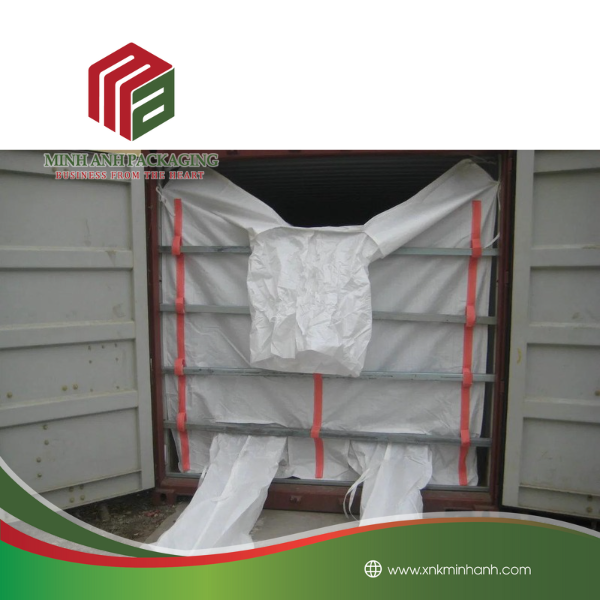
Top 5 Types of Bulk Bags and Their Applications
Bulk bags, also known as FIBCs (Flexible Intermediate Bulk Containers), are a staple in industries that require the efficient storage and transportation of large quantities of materials. These versatile containers are valued for their durability, flexibility, and cost-effectiveness. Whether you’re handling powders, granules, or even liquids, there’s a bulk bag designed specifically for your needs. In this article, we’ll explore the top five types of bulk bags and their unique applications.
Bulk bags, also known as FIBCs (Flexible Intermediate Bulk Containers), are a staple in industries that require the efficient storage and transportation of large quantities of materials. These versatile containers are valued for their durability, flexibility, and cost-effectiveness. Whether you’re handling powders, granules, or even liquids, there’s a bulk bag designed specifically for your needs. In this article, we’ll explore the top five types of bulk bags and their unique applications.

1. Standard Bulk Bags
Overview:
Standard bulk bags are the most commonly used type of FIBC. They are designed to carry dry, flowable materials like grains, sand, or plastic resins. These bags usually feature a simple open-top design with a flat bottom, making them easy to fill and discharge.
Applications:
– Agriculture: Storing and transporting grains, seeds, and fertilizers.
– Construction: Moving sand, gravel, and cement.
– Plastics Industry: Handling plastic pellets and resins.
Their straightforward design makes them a go-to choice for industries that prioritize simplicity and cost-efficiency.
2. Conductive Bulk Bags (Type C)
Overview:
Conductive bulk bags are specially engineered to safely handle materials in environments where static electricity could pose a hazard. These bags are made with conductive threads woven into the fabric, allowing static charges to dissipate when grounded properly.
Applications:
– Chemical Industry: Transporting flammable powders or materials in environments with a risk of static discharge.
– Pharmaceuticals: Handling sensitive materials that require static-free conditions.
By preventing sparks or explosions, conductive bags ensure safety in high-risk environments.
3. Ventilated Bulk Bags
Overview:
Ventilated bulk bags are designed with breathable panels or mesh sides to allow air circulation. This feature helps maintain the quality of products that are sensitive to moisture or require ventilation during storage and transport.
Applications:
– Agriculture: Ideal for transporting potatoes, onions, firewood, and other products that need airflow to stay fresh.
– Horticulture: Storing and moving garden mulch or compost.
These bags are perfect for maintaining product quality while reducing the risk of spoilage.

4. UN-Certified Bulk Bags
Overview:
UN-certified bulk bags meet stringent safety standards for transporting hazardous materials. These bags are rigorously tested to ensure they can withstand extreme conditions without compromising the safety of their contents or handlers.
Applications:
– Chemical Industry: Transporting hazardous powders, liquids, or granules.
– Waste Management: Safely disposing of toxic or contaminated materials.
When safety and compliance are non-negotiable, UN-certified bulk bags are the best choice.
5. Baffled Bulk Bags
Overview:
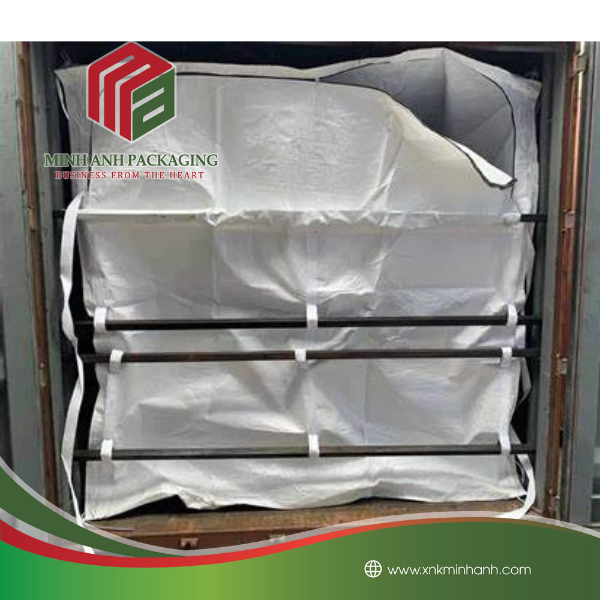
Baffled bulk bags feature internal panels (baffles) that help maintain their shape during filling and transport. This design reduces bulging and maximizes space efficiency, making them ideal for stacking and storage.
Applications:
– Food Industry: Transporting sugar, flour, or other fine powders in bulk.
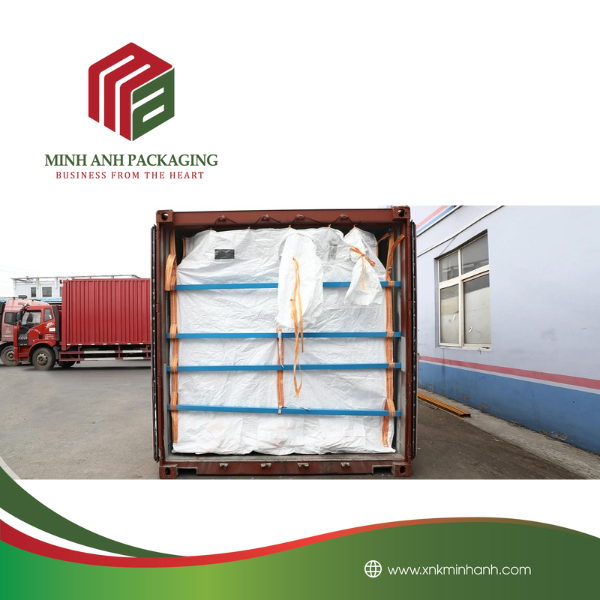
– Logistics: Optimizing space in shipping containers or warehouses.
Their ability to hold shape ensures stability and reduces the risk of tipping during transit.

Choosing the Right Bulk Bag for Your Needs
Selecting the right type of bulk bag depends on several factors, including the material you’re handling, your industry’s safety requirements, and your storage or transport conditions. For instance:
– If you’re dealing with flammable materials, conductive bulk bags offer essential protection.
– For agricultural goods that need ventilation, ventilated bags are a must-have.
– When transporting hazardous substances, UN-certified bags ensure compliance with regulations.
Bulk bags continue to be an indispensable tool across various industries due to their adaptability and cost-effectiveness. From standard designs for everyday use to specialized options like conductive or baffled bags, there’s a solution for nearly every material-handling challenge. By understanding the unique features and applications of each type of bulk bag, businesses can improve efficiency, enhance safety, and reduce costs.
So, whether you’re in agriculture, construction, chemicals, or logistics, there’s a bulk bag tailored to your needs—ready to help you move your materials with ease and confidence!
Hãy là người đầu tiên nhận xét “Top 5 Types of Bulk Bags and Their Applications”
Sản phẩm tương tự

Tin Tức Bao Bì


Tin Tức Bao Bì


Tin Tức Bao Bì

Tin Tức Bao Bì


Đánh giá
Chưa có đánh giá nào.