

The Ultimate Guide to Can Liners
When it comes to managing waste, can liners often go unnoticed, yet they play a critical role in keeping spaces clean, organized, and hygienic. Whether you’re running a business, managing a household, or overseeing a large facility, choosing the right can liner can make all the difference. In this guide, we’ll walk you through everything you need to know about can liners—what they are, how to choose the right one, and tips for getting the most out of them.
When it comes to managing waste, can liners often go unnoticed, yet they play a critical role in keeping spaces clean, organized, and hygienic. Whether you’re running a business, managing a household, or overseeing a large facility, choosing the right can liner can make all the difference. In this guide, we’ll walk you through everything you need to know about can liners—what they are, how to choose the right one, and tips for getting the most out of them.
What Are Can Liners?
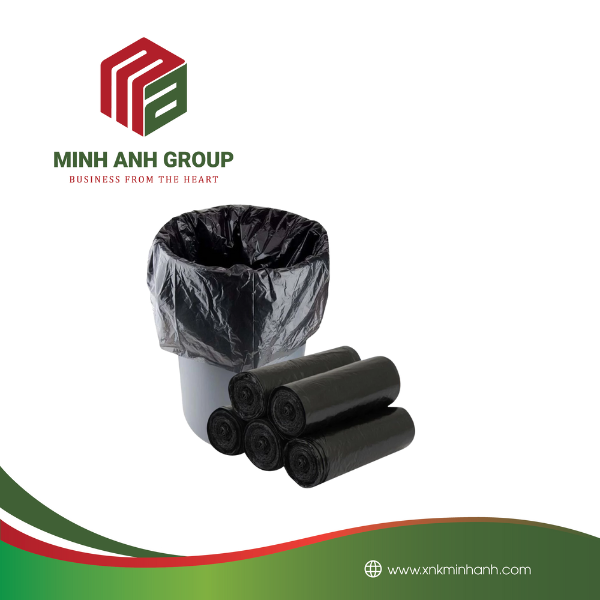
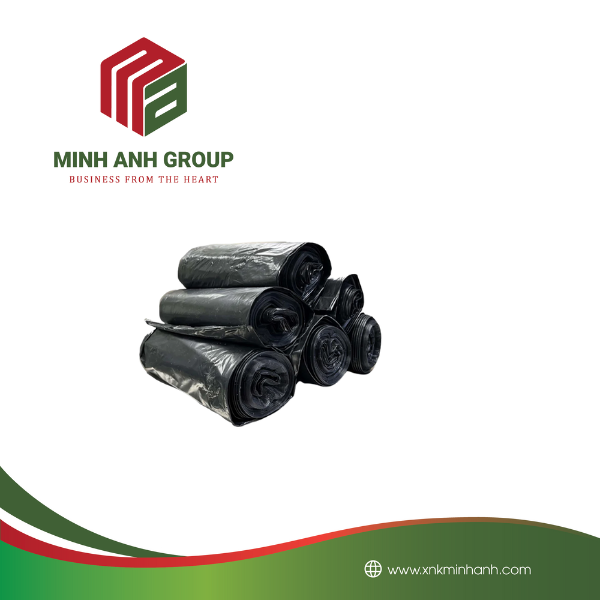
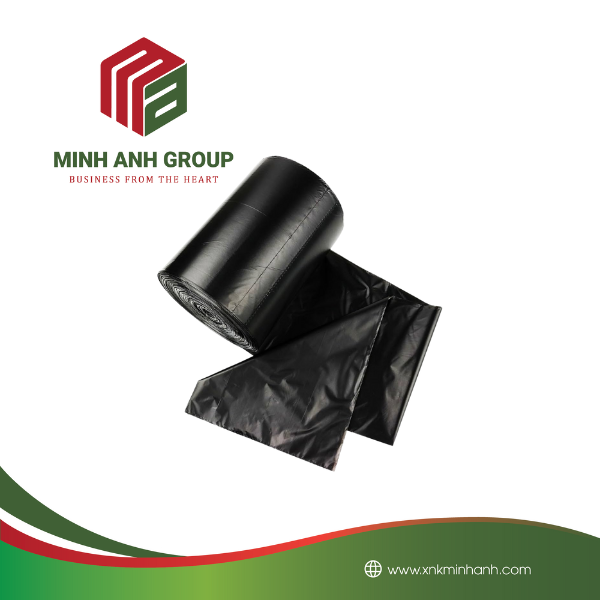
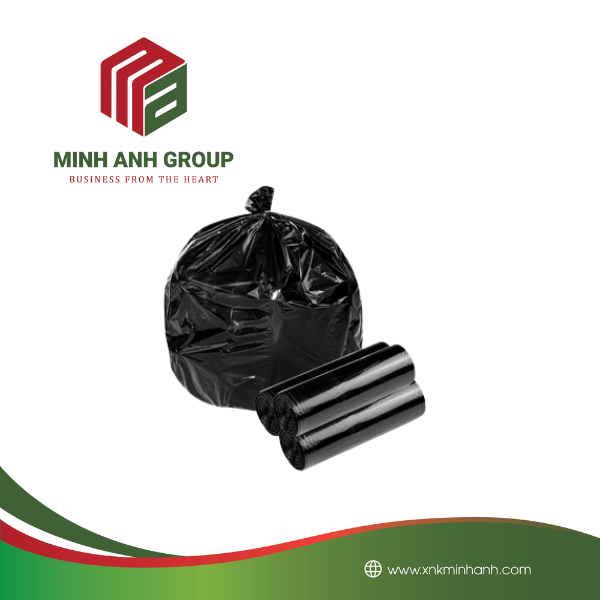
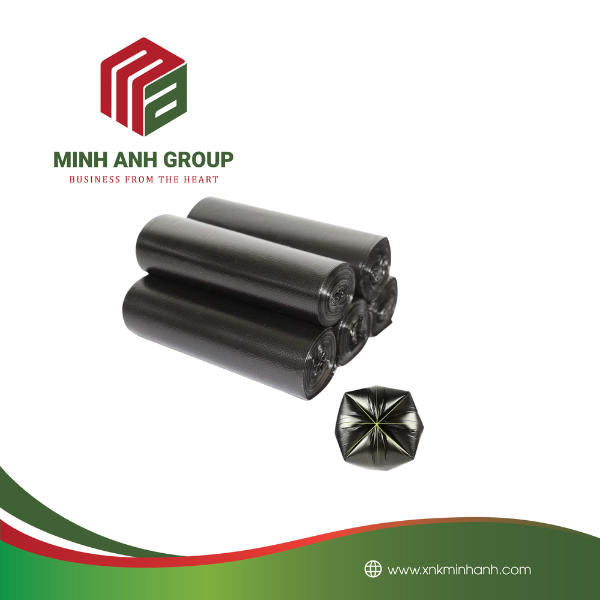
Can liners, often referred to as trash bags or garbage bags, are flexible containers designed to line waste bins and hold trash. Their primary purpose is to prevent waste from coming into direct contact with the bin itself, making cleanup easier and more sanitary. They come in various sizes, materials, and thicknesses, each suited for specific types of waste and environments.
Why Are Can Liners Important?
While they may seem like a small detail, can liners serve several important purposes:
– Hygiene: They act as a barrier between waste and the bin, reducing the spread of germs and odors.
– Convenience: Liners make it easy to remove and dispose of trash without having to clean the bin frequently.
– Durability: A good can liner prevents leaks and tears, ensuring waste stays contained.
– Cost-Effectiveness: Choosing the right liner can save money by reducing the need for frequent replacements or bin cleaning.
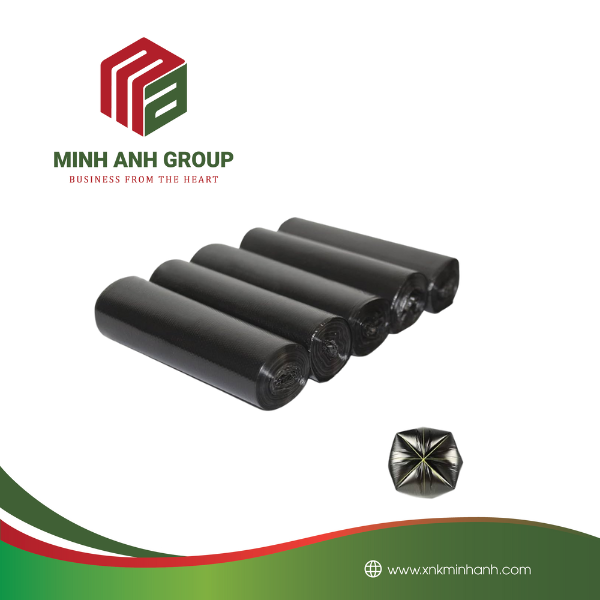
Types of Can Liners
Not all can liners are created equal. Here’s a breakdown of the most common types:
1. High-Density Can Liners
High-density liners are lightweight and made from thinner material. They are ideal for handling lightweight, non-sharp waste such as paper or bathroom trash. These liners are cost-effective and often come in bulk rolls.
Best for: Offices, bathrooms, and general low-impact trash.
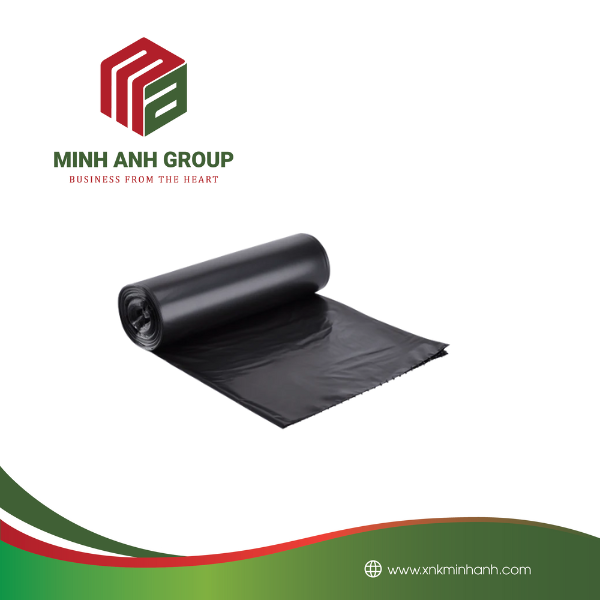
2. Low-Density Can Liners
Low-density liners are thicker and more durable, making them resistant to punctures and tears. They are perfect for heavy or sharp objects like food waste, yard debris, or industrial materials.
Best for: Kitchens, construction sites, and outdoor areas.
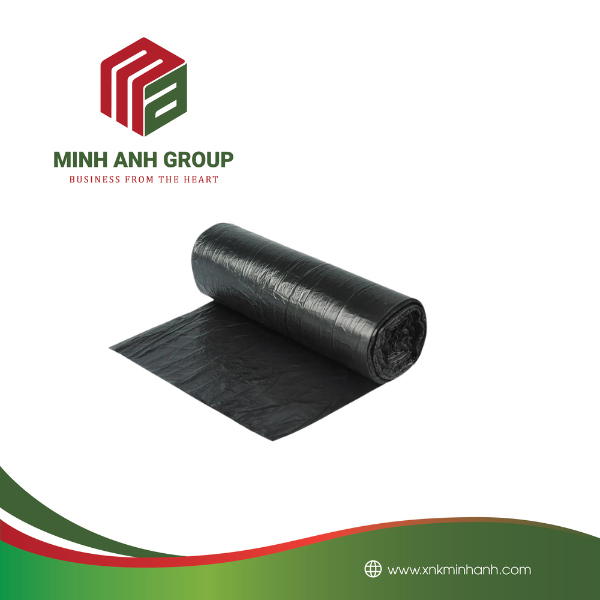
3. Compostable Can Liners
Made from biodegradable materials, compostable liners are an eco-friendly option for those looking to reduce their environmental impact. These bags break down naturally and are great for organic waste.
Best for: Compost bins, eco-conscious households, and businesses.
4. Specialty Can Liners
Some liners are designed for specific purposes, such as scented bags for odor control or antimicrobial liners for added hygiene in healthcare settings.
Best for: Specialized environments like hospitals, gyms, or pet care facilities.
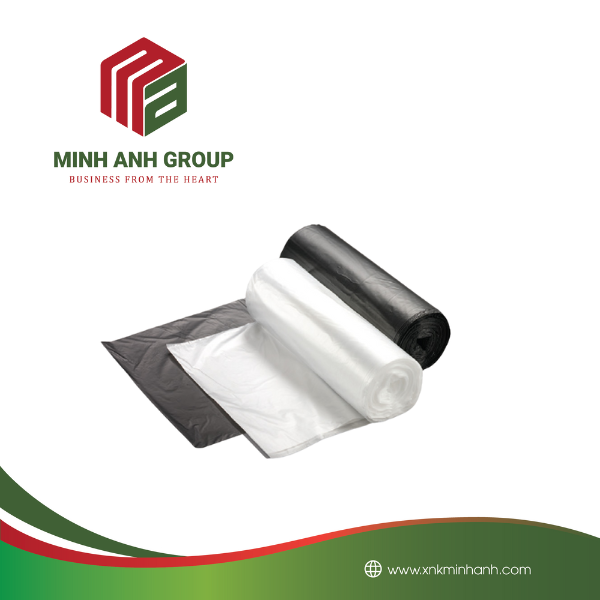
How to Choose the Right Can Liner
Selecting the right can liner depends on several factors. Here’s what you should consider:
1. Size
The liner should fit your trash can snugly without being too tight or too loose. Measure the circumference and height of your bin to find the perfect size.
2. Material
Choose high-density liners for lightweight waste and low-density liners for heavy or sharp objects. If you’re eco-conscious, opt for compostable liners.
3. Gauge (Thickness)
The thickness of a liner is measured in mils (low-density) or microns (high-density). Thicker liners are more durable but may cost more. Match the gauge to the type of waste you’ll be disposing of.
4. Capacity
Make sure the liner’s capacity matches your bin’s volume. Overfilled liners can tear easily, while undersized ones may not hold enough trash.
5. Special Features
Consider additional features like drawstrings for easy tying, odor-blocking properties, or leak-proof designs.
Tips for Using Can Liners Effectively
To get the most out of your can liners, keep these tips in mind:
– Don’t Overfill: Avoid stuffing too much trash into a liner to prevent tears or spills.
– Double Up When Needed: For particularly heavy or sharp waste, consider using two liners for added strength.
– Secure Properly: Tie or seal the liner securely before disposing of it to avoid leaks.
– Store Smartly: Keep unused liners in a cool, dry place to maintain their quality over time.
– Recycle When Possible: If your liner is recyclable or compostable, dispose of it responsibly.
Going Green with Can Liners
If sustainability is a priority for you, there are several ways to make eco-friendly choices:
– Opt for Compostable Liners: These are perfect for food scraps and organic waste.
– Choose Recycled Materials: Some liners are made from post-consumer recycled plastic.
– Reduce Plastic Usage: Use liners only when necessary; for dry or non-messy waste, you might not need a liner at all.
Common Mistakes to Avoid
Even seasoned users sometimes make mistakes with can liners. Here are a few pitfalls to watch out for:
– Using the Wrong Size: A poorly fitting liner can lead to leaks and inefficiency.
– Ignoring Weight Limits: Overloading a liner beyond its weight capacity can cause it to tear.
– Overlooking Material Type: Using high-density liners for sharp objects or low-density liners for lightweight trash can lead to problems.
Can liners may not be the most glamorous topic, but they are an essential part of everyday life. By understanding the different types available and how to choose the right one for your needs, you can simplify waste management while keeping your space clean and organized. Whether you’re focused on durability, cost-effectiveness, or sustainability, there’s a can liner out there that’s perfect for you.
So next time you’re stocking up on supplies, give those humble can liners the attention they deserve—they’re doing more work than you think!
Hãy là người đầu tiên nhận xét “The Ultimate Guide to Can Liners”
Sản phẩm tương tự

Tin Tức Bao Bì


Tin Tức Bao Bì


Tin Tức Bao Bì


Tin Tức Bao Bì

Tin Tức Bao Bì


Đánh giá
Chưa có đánh giá nào.