
The Weight of Sustainability: How Biodegradable Mailers Affect Shipping Costs

So, do biodegradable mailers affect shipping costs? Absolutely. They’re heavier, bulkier, and often require more care than traditional plastic mailers. But before you dismiss them as an unnecessary expense, consider this: sustainability is no longer optional—it’s essential. And while going green might cost more upfront, it could save you money (and face) in the long run.
In the world of online shopping, where everything from socks to samurai swords can be delivered to your doorstep, packaging has become the unsung hero—or villain—of the e-commerce era. As consumers demand faster delivery and eco-friendlier options, companies are scrambling to find the perfect balance between sustainability and cost. Enter biodegradable mailers: the compostable darlings of the packaging world that promise to save the planet while keeping your purchases safe. But do they come with a hidden price tag? Let’s unpack this (pun absolutely intended).
The Rise of the Biodegradable Mailer
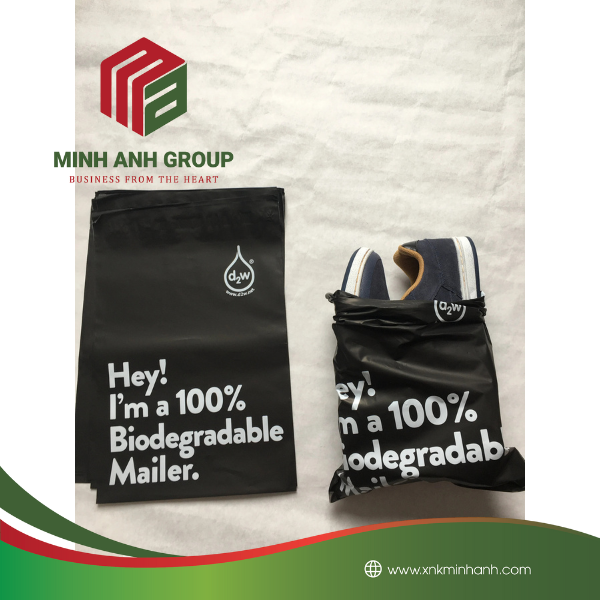
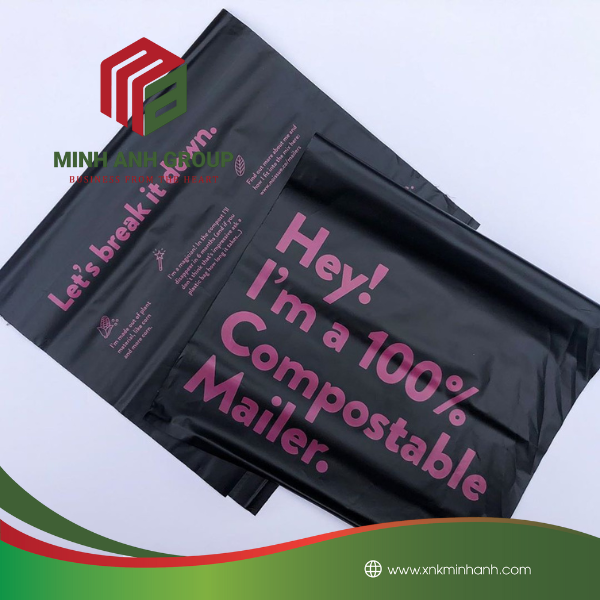
Biodegradable mailers are like the cool, eco-conscious cousin of traditional plastic mailers. Made from materials like cornstarch, PLA (polylactic acid), or PBAT (polybutylene adipate terephthalate—try saying that three times fast), these mailers are designed to break down naturally over time. Unlike their plastic counterparts that linger in landfills for centuries, biodegradable mailers decompose into harmless organic matter, leaving Mother Earth breathing a sigh of relief.
But here’s the catch: sustainability comes at a cost. And no, we’re not just talking about the extra few cents you might pay for that guilt-free packaging. We’re talking about shipping costs—because as it turns out, even the most eco-friendly mailers have a weight problem.
The Weighty Issue
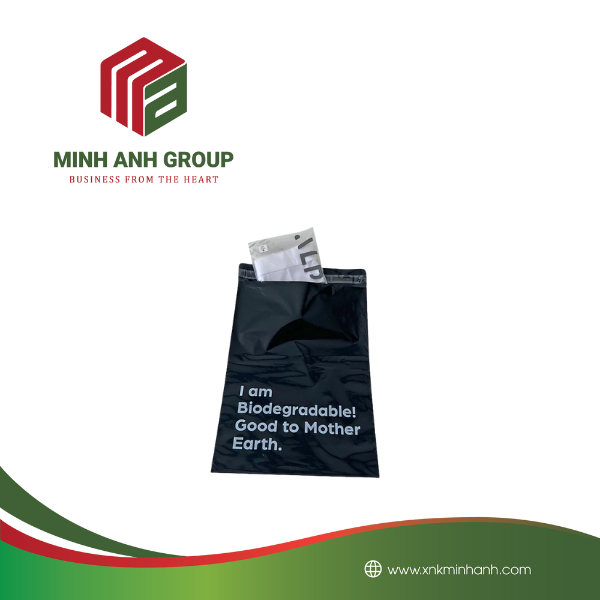
You’d think a mailer made from plants would be as light as a feather, right? Wrong. While biodegradable mailers are generally lightweight, they’re often slightly heavier than traditional plastic mailers. Why? Because they need to be durable enough to survive the journey from warehouse to doorstep without turning into mush. This added durability often means thicker materials, which can tip the scales—literally.
Now, in the world of shipping, every ounce counts. Carriers like USPS, FedEx, and UPS calculate shipping costs based on weight and size. So, if your biodegradable mailer adds even a smidge of extra heft, you could end up paying more to ship the same item. It’s like paying an extra fee because your luggage had one too many snacks in it—annoying, but technically fair.
The Size Dilemma
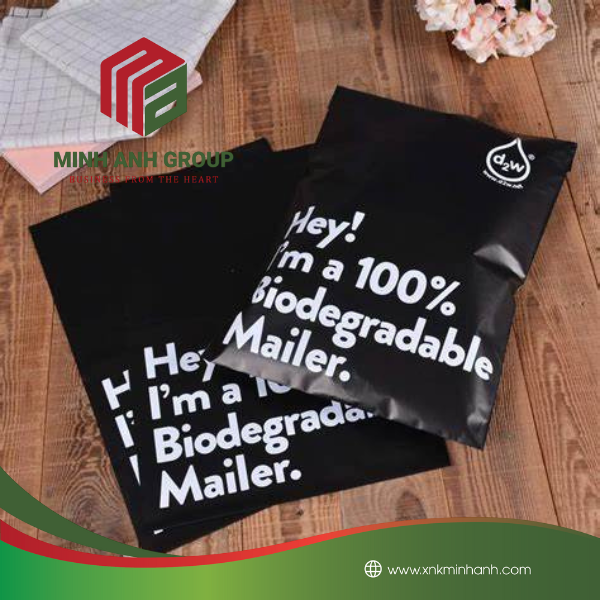
As if weight wasn’t enough of a headache, there’s also the issue of size. Biodegradable mailers tend to be bulkier than their plastic counterparts because they often require additional padding or reinforcement to protect items during transit. This added bulk can push your package into a higher pricing tier, especially if it crosses dimensional weight thresholds (a fancy term for when carriers charge you based on how much space your package takes up).
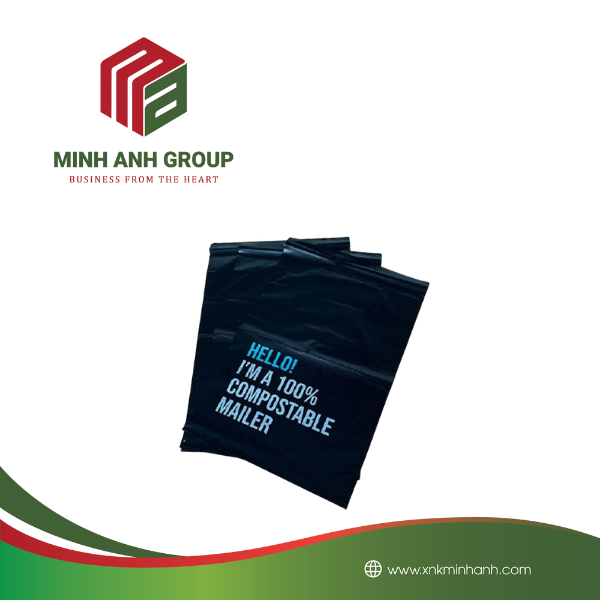
So now you’ve got a slightly heavier and bulkier package. What does that mean for your shipping costs? In short: they’re going up faster than your caffeine bill during deadline week.
The Hidden Costs of Going Green
For businesses, switching to biodegradable mailers isn’t just about paying more for the packaging itself—it’s also about navigating the ripple effects on logistics and operations. Here’s a quick breakdown of the hidden costs:
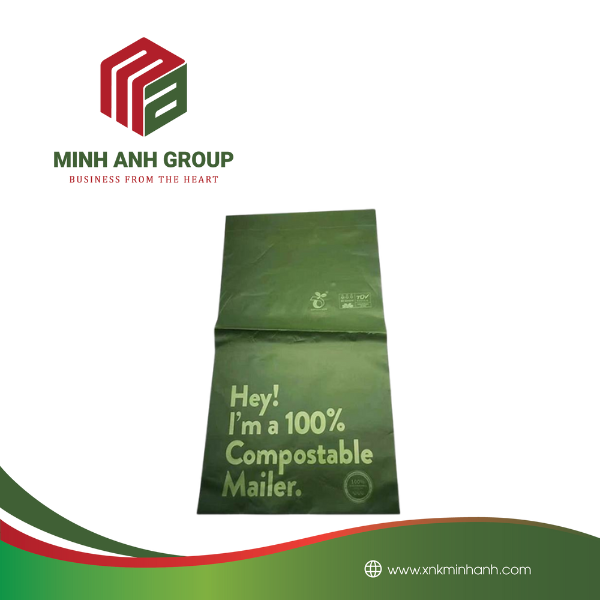
1. Increased Shipping Fees: As we’ve covered, heavier and bulkier packages mean higher shipping rates. Multiply that by hundreds or thousands of shipments per month, and you’re looking at a significant expense.
2. Storage Challenges: Biodegradable mailers often require specific storage conditions to prevent premature decomposition (no one wants their mailer turning into compost in the warehouse). This can lead to higher storage costs and more logistical headaches.
3. Consumer Education: Let’s face it—most people don’t know the difference between “biodegradable,” “compostable,” and “recyclable.” Businesses may need to invest in marketing and education to ensure customers understand how to properly dispose of these eco-friendly mailers. Because if your customer tosses your fancy biodegradable mailer into the regular trash, all that sustainability effort goes straight out the window.
4. Brand Perception: Ironically, some customers might perceive biodegradable mailers as “cheap” or less protective than traditional options. Convincing them otherwise might require additional investment in branding and communication.
The Silver Lining
Before you swear off biodegradable mailers and resign yourself to a lifetime of plastic guilt, let’s take a moment to appreciate the bigger picture. While these mailers might cost more upfront (and yes, potentially increase shipping fees), they offer long-term benefits that are hard to ignore.
For starters, they help reduce your business’s carbon footprint, which is increasingly important in an era where consumers are prioritizing sustainability. According to a 2023 survey by NielsenIQ, 78% of global consumers say they’re more likely to buy from companies that are environmentally responsible. So while you might spend more on shipping now, you could win over loyal customers who appreciate your commitment to saving the planet.
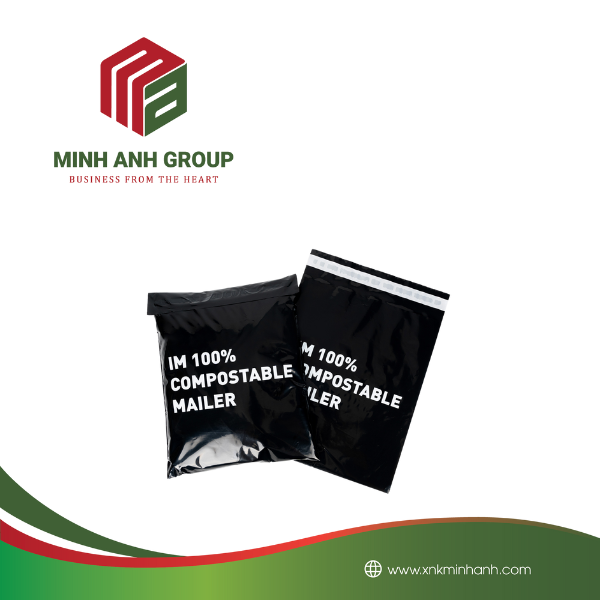
Plus, let’s not forget the PR goldmine that comes with going green. A well-executed switch to biodegradable mailers can position your brand as an industry leader in sustainability—a move that could pay off in spades when it comes to customer loyalty and media attention.
The Bottom Line
So, do biodegradable mailers affect shipping costs? Absolutely. They’re heavier, bulkier, and often require more care than traditional plastic mailers. But before you dismiss them as an unnecessary expense, consider this: sustainability is no longer optional—it’s essential. And while going green might cost more upfront, it could save you money (and face) in the long run.
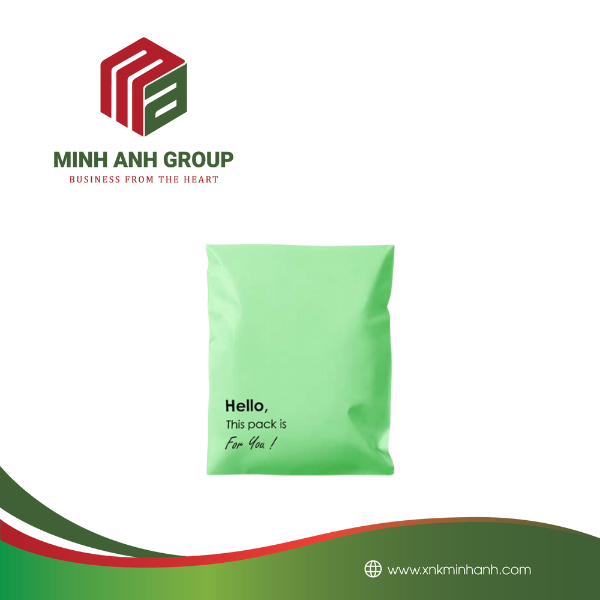
At the end of the day, choosing biodegradable mailers is like choosing kale over potato chips. Sure, it’s not always the cheapest or easiest option, but it’s better for you—and for the planet. So go ahead and make the switch. Your wallet might grumble at first, but your conscience (and your customers) will thank you.
And who knows? Maybe one day we’ll live in a world where shipping costs are determined by how much good karma your package generates. Until then, let’s keep weighing our options—and our mailers—with care.
Hãy là người đầu tiên nhận xét “The Weight of Sustainability: How Biodegradable Mailers Affect Shipping Costs”
Sản phẩm tương tự

Tin Tức Bao Bì

Tin Tức Bao Bì

Tin Tức Bao Bì


Tin Tức Bao Bì


Tin Tức Bao Bì


Đánh giá
Chưa có đánh giá nào.