
The Humidity Factor: Why Some Biodegradable Mailers Fail in Tropical Climates
Let’s face it: navigating the world of eco-friendly shipping isn’t always smooth sailing—especially when humidity decides to crash the party. But hey, even if your biodegradable mailers occasionally fail in tropical climates, at least you’re trying! That’s more than can be said for those still clinging to single-use plastics like it’s 1995.
Picture this: you’re feeling like an eco-warrior, armed with your biodegradable mailers, ready to save the planet one package at a time. You send out your goods with a smug smile, imagining Mother Nature giving you a slow clap. But then, disaster strikes. Your customer in a tropical climate sends you a photo of their delivery—a soggy, half-dissolved blob that looks like it barely survived a monsoon. What happened? Let me introduce you to the arch-nemesis of biodegradable mailers: humidity.
The Tropics: Where Humidity is King
Tropical climates are like that one friend who’s always sweaty no matter what. With humidity levels often hovering between “uncomfortably moist” and “why is the air wetter than my shower?”, it’s no surprise that biodegradable mailers sometimes wave the white flag here. These eco-friendly heroes are designed to break down over time when exposed to the elements—water, heat, and microbes. Unfortunately, tropical humidity is like putting them in a 24/7 spa treatment they didn’t sign up for.
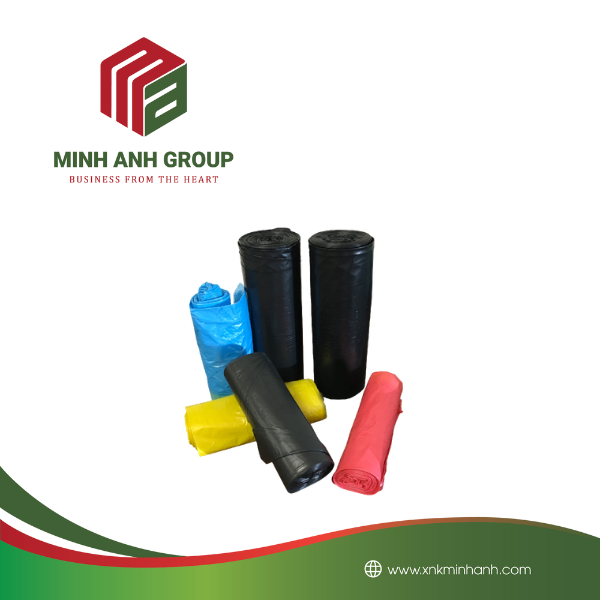
Biodegradable vs. Tropical Reality
Let’s break it down (pun intended). Biodegradable mailers are typically made from materials like cornstarch, PLA (polylactic acid), or other plant-based polymers. They’re engineered to decompose under specific conditions—usually in industrial composting facilities or, at the very least, a backyard compost pile. What they’re *not* designed for is being shipped into a climate where the air itself seems to be plotting their demise.
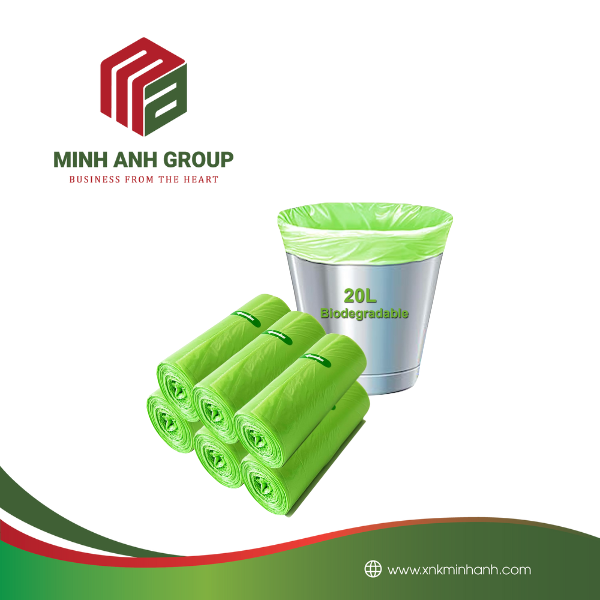
When exposed to excessive moisture, these mailers can start breaking down prematurely. Imagine sending someone a package in pristine condition, only for it to arrive looking like a wet tissue paper piñata. Not exactly the eco-friendly flex you were going for, right?
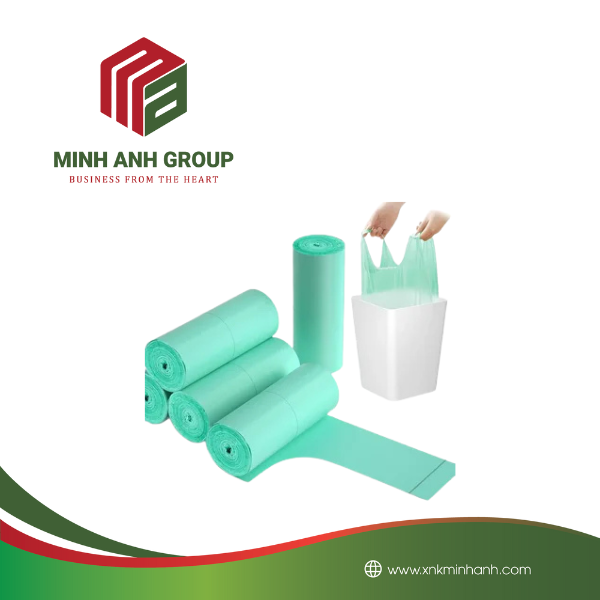
The Humidity Horror Stories
Let’s take a moment to appreciate some of the more “creative” outcomes of biodegradable mailers meeting tropical humidity:
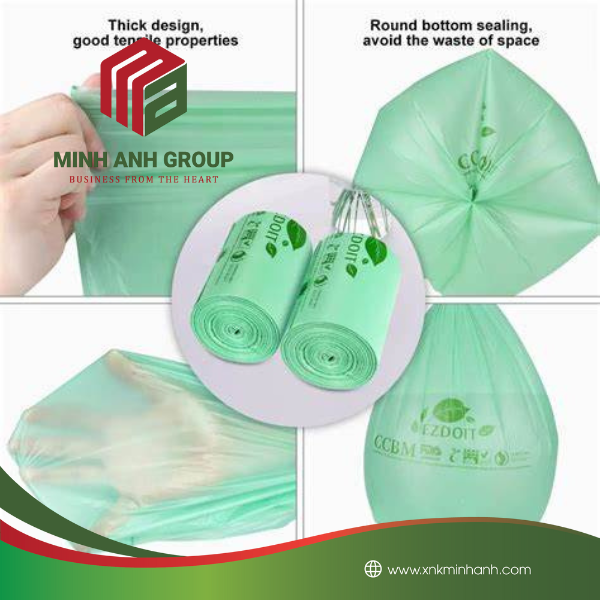
1. The Blob of Doom
Your mailer turns into a gelatinous mess, clinging to its contents like it’s auditioning for a horror movie. “Why does my T-shirt smell like cornstarch soup?” your baffled customer asks.
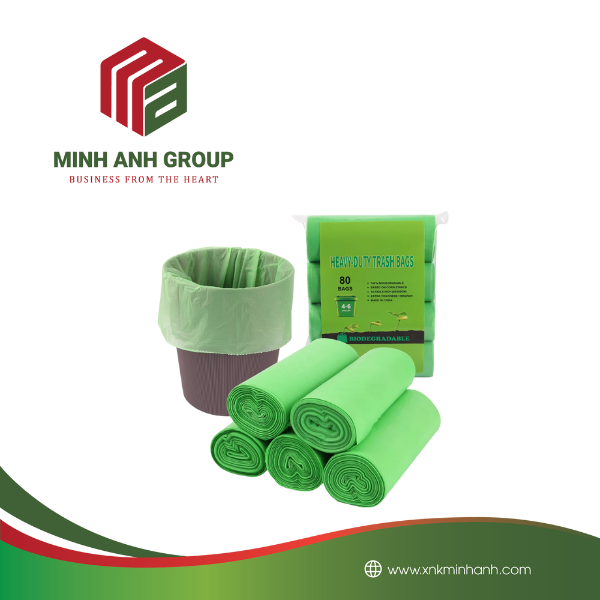
2. The Flake-Away Fiasco
Pieces of the mailer start crumbling off mid-transit, leaving behind a trail of eco-confetti. Festive? Maybe. Practical? Not so much.

3. The Invisible Package
By the time it arrives, the mailer has biodegraded so thoroughly that it’s basically become one with nature. Your customer opens their mailbox to find… nothing. Surprise!
How to Outsmart Humidity
So, what’s an environmentally conscious business owner to do? Give up on biodegradable mailers and go back to plastic? Absolutely not! (Mother Nature just gasped in horror.) Instead, here are some tips to keep your mailers from melting faster than an ice cream cone in the tropics:
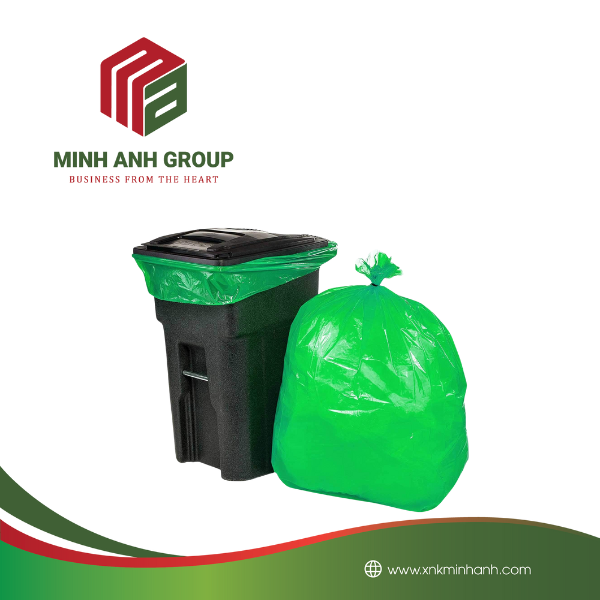
1. Choose the Right Material
Not all biodegradable mailers are created equal. Look for ones that are specifically labeled as water-resistant or humidity-resistant. They might cost a little more, but they’ll save you from soggy package nightmares.
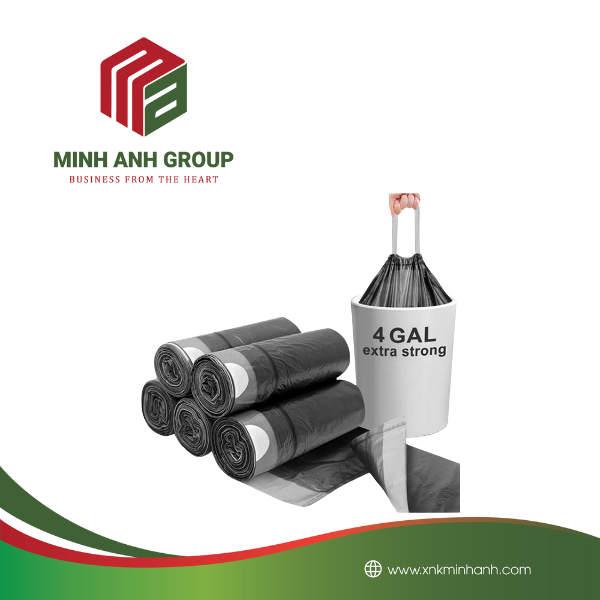
2. Double Up
Consider using an extra layer of protection, like a water-resistant outer bag or box. Sure, it’s not as minimalist as a single mailer, but it’s better than your package arriving as an unintentional science experiment.
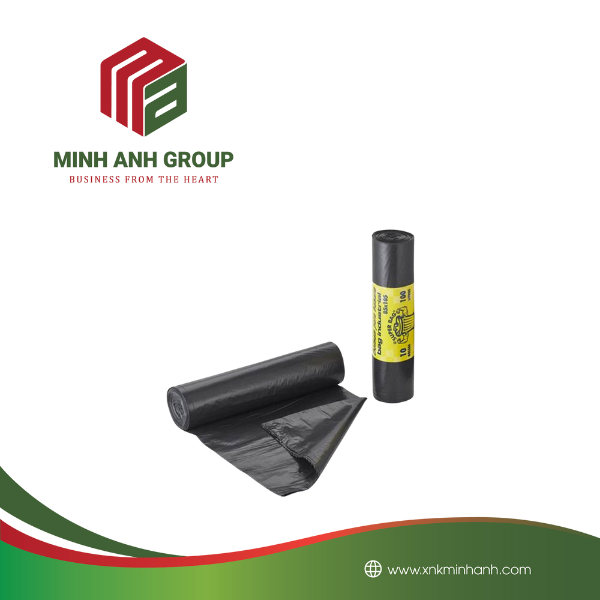
3. Educate Your Customers
If you’re shipping to tropical regions, include a note explaining that biodegradable mailers are sensitive to humidity. Bonus points if you make it funny: “Warning: This package is eco-friendly and may attempt to return to nature before reaching you.”
4. Test Before You Ship
Before committing to a specific type of mailer, do some testing in humid conditions. Leave one in your bathroom during a steamy shower session and see how it holds up. Science!
5. Compostable Alternatives
If humidity-resistant biodegradable options aren’t cutting it, consider compostable mailers made from tougher materials like kraft paper with vegetable-based adhesives.
Laughing Through the Learning Curve
Let’s face it: navigating the world of eco-friendly shipping isn’t always smooth sailing—especially when humidity decides to crash the party. But hey, even if your biodegradable mailers occasionally fail in tropical climates, at least you’re trying! That’s more than can be said for those still clinging to single-use plastics like it’s 1995.
And who knows? Maybe one day someone will invent a biodegradable mailer so advanced that it thrives in tropical conditions instead of surrendering to them. Until then, let’s keep experimenting, laughing at our soggy mishaps, and doing our best to protect this beautiful planet—even if it means occasionally explaining to a customer why their package smells faintly of compost.
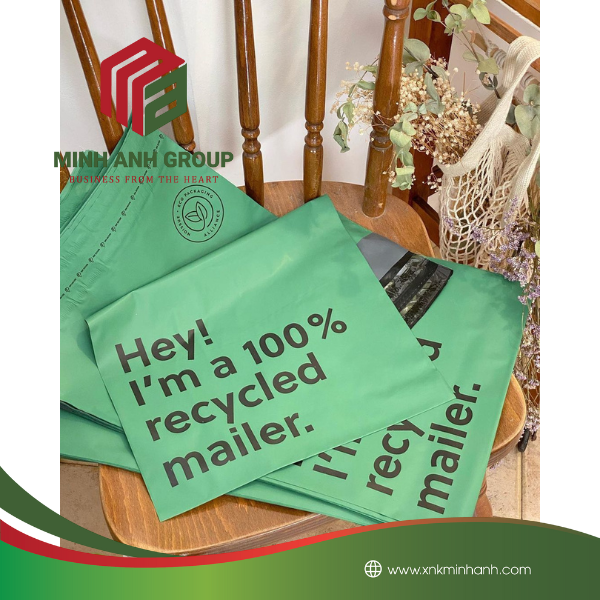
Remember: saving the Earth isn’t always glamorous, but it sure makes for some hilarious stories!
Hãy là người đầu tiên nhận xét “The Humidity Factor: Why Some Biodegradable Mailers Fail in Tropical Climates”
Sản phẩm tương tự


Tin Tức Bao Bì

Tin Tức Bao Bì

Tin Tức Bao Bì


Tin Tức Bao Bì


Đánh giá
Chưa có đánh giá nào.