

The Ultimate Guide to Choosing the Right FIBC Sling Bag

When it comes to transporting and storing bulk materials, choosing the right Flexible Intermediate Bulk Container (FIBC) sling bag is crucial. FIBC sling bags, also known as bulk bags or super sacks, are widely used in various industries such as agriculture, construction, and manufacturing for their ability to safely and efficiently handle large quantities of materials. With a wide range of options available in the market, it’s important to consider several factors to ensure you choose the right FIBC sling bag for your specific needs.
When it comes to transporting and storing bulk materials, choosing the right Flexible Intermediate Bulk Container (FIBC) sling bag is crucial. FIBC sling bags, also known as bulk bags or super sacks, are widely used in various industries such as agriculture, construction, and manufacturing for their ability to safely and efficiently handle large quantities of materials. With a wide range of options available in the market, it’s important to consider several factors to ensure you choose the right FIBC sling bag for your specific needs.
1. Understand Your Material Requirements
Before selecting an FIBC sling bag, it’s essential to understand the specific requirements of the materials you will be handling. Consider factors such as the type of material, its density, flow characteristics, and any special handling requirements. Different materials may require different types of FIBC sling bags with specific features such as liners, sift-proof seams, or electrostatic protection.
2. Determine the Bag Design
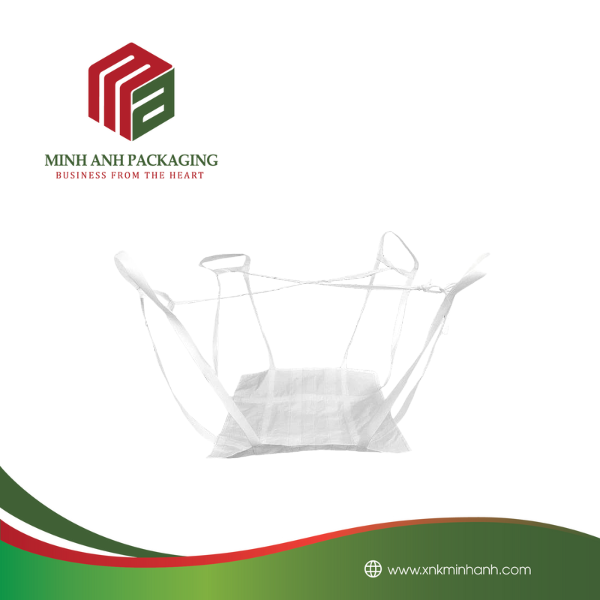
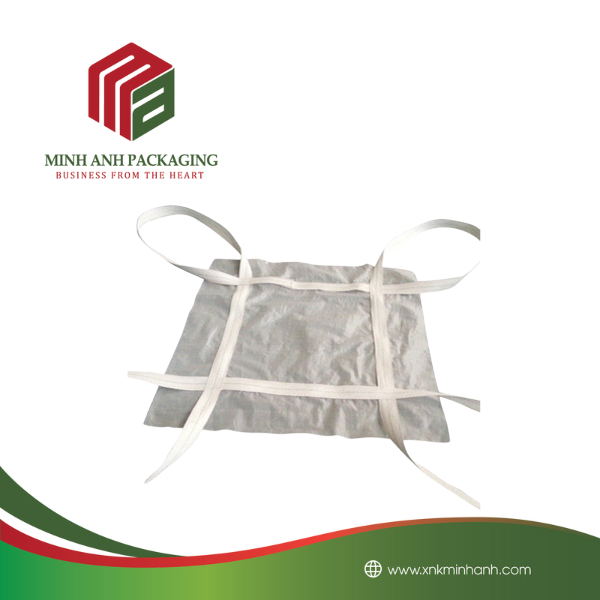
FIBC sling bags come in various designs to accommodate different handling and storage needs. Common designs include U-panel, 4-panel, and circular. The choice of design depends on factors such as the material’s flow characteristics, the required fill and discharge methods, and the overall weight capacity. For example, materials that require easy flow may benefit from a circular design, while heavier materials may require a U-panel design for added strength.
3. Consider Safety and Compliance
When choosing an FIBC sling bag, it’s crucial to consider safety and compliance with industry regulations. Ensure that the bag meets relevant safety standards and certifications, especially if you are handling hazardous materials. Look for features such as safe working load (SWL) labels, electrostatic protection, and UV stabilization for outdoor storage.

4. Evaluate Handling and Transportation Requirements
The method of handling and transporting FIBC sling bags can vary depending on your specific operations. Consider factors such as the type of lifting equipment available, the need for forklift access, and whether the bags will be transported by road, sea, or air. This will help determine the type of lifting loops, discharge spouts, and other features needed for safe and efficient handling.
5. Assess Environmental Factors
Environmental conditions can have a significant impact on the performance and longevity of FIBC sling bags. Consider factors such as exposure to sunlight, moisture, extreme temperatures, and potential abrasion during handling. Choose bags with appropriate UV protection, moisture barriers, or additional reinforcement to ensure they can withstand the intended storage and transportation conditions.

6. Review Quality and Durability
The quality and durability of an FIBC sling bag are crucial for ensuring the safe handling and storage of materials. Look for reputable suppliers who offer bags made from high-quality woven polypropylene fabric with reinforced seams and lifting loops. Consider additional features such as dust-proof seams, coated fabric for moisture resistance, and double stitching for added strength.
7. Factor in Cost and Long-Term Value
While cost is an important consideration, it’s essential to focus on long-term value rather than just upfront expenses. Consider the total cost of ownership, including factors such as bag lifespan, potential for reusability, and the impact on operational efficiency. Investing in higher-quality FIBC sling bags that offer durability and reusability can result in long-term cost savings and reduced environmental impact.
8. Seek Expert Advice
If you’re unsure about which FIBC sling bag is best suited for your specific needs, don’t hesitate to seek advice from industry experts or suppliers. They can provide valuable insights based on their experience and help you select the most suitable bag based on your material handling requirements and operational constraints.
In conclusion, choosing the right FIBC sling bag requires careful consideration of material characteristics, bag design, safety compliance, handling requirements, environmental factors, quality, durability, cost, and expert advice. By taking these factors into account, you can ensure that you select an FIBC sling bag that meets your specific needs and provides safe and efficient handling of bulk materials in your operations.
Hãy là người đầu tiên nhận xét “The Ultimate Guide to Choosing the Right FIBC Sling Bag”
Sản phẩm tương tự


Tin Tức Bao Bì


Tin Tức Bao Bì
Food Cling Film: Outstanding Advantages in Food Preservation

Tin Tức Bao Bì


Tin Tức Bao Bì

Tin Tức Bao Bì

Tin Tức Bao Bì


Đánh giá
Chưa có đánh giá nào.