
The Role of Paper Bags in Reducing Plastic Waste


Paper bags may seem like a small change in the grand scheme of things, but their role in reducing plastic waste is undeniable. By choosing biodegradable and recyclable alternatives like paper bags, we take meaningful steps toward a cleaner, healthier planet. While challenges remain, innovation and conscious consumer behavior can help us overcome them.
In recent years, the global conversation around sustainability and environmental conservation has gained significant momentum. One of the most pressing issues in this dialogue is the overwhelming amount of plastic waste that pollutes our planet. From clogged waterways to endangered marine life, the consequences of excessive plastic use are far-reaching and devastating. Among the many alternatives proposed to combat this issue, paper bags have emerged as a promising solution. But how exactly do paper bags contribute to reducing plastic waste, and are they as eco-friendly as they seem? Let’s explore this topic in a friendly and approachable way.
The Problem with Plastic
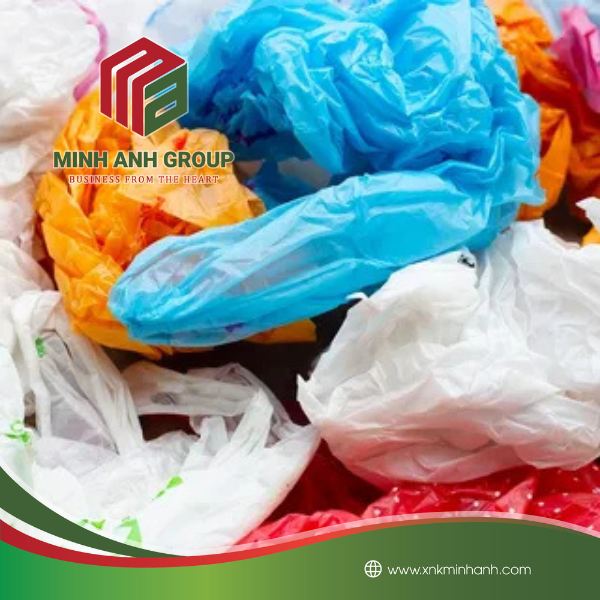
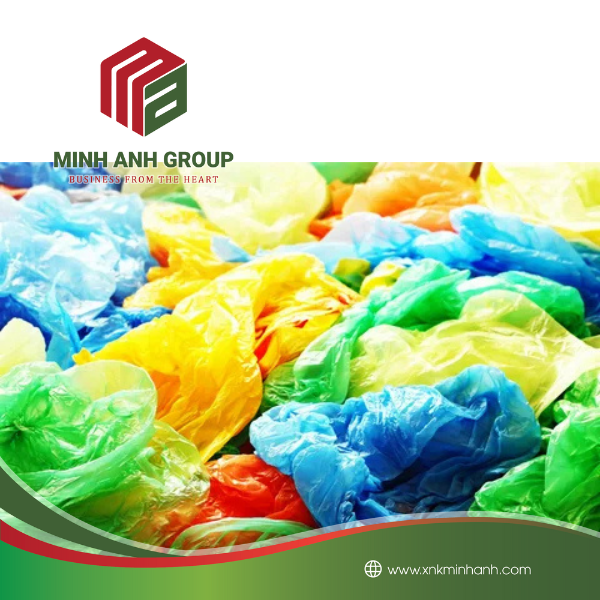
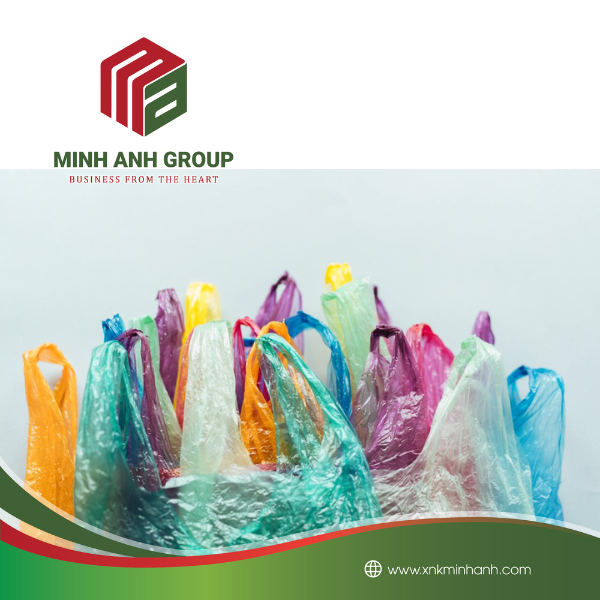
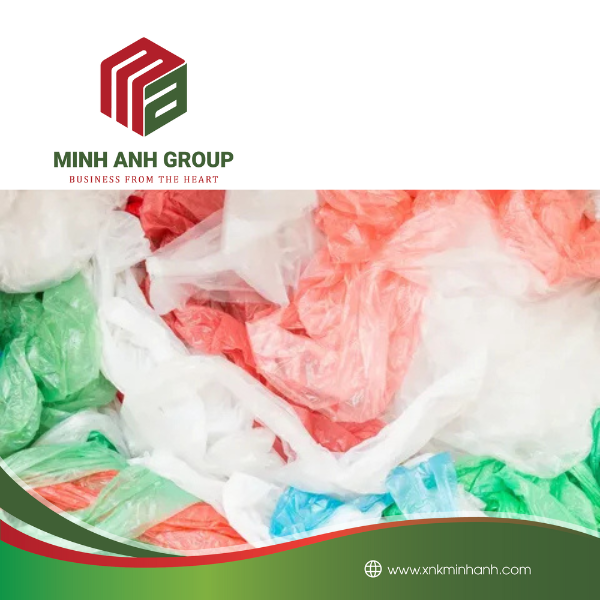
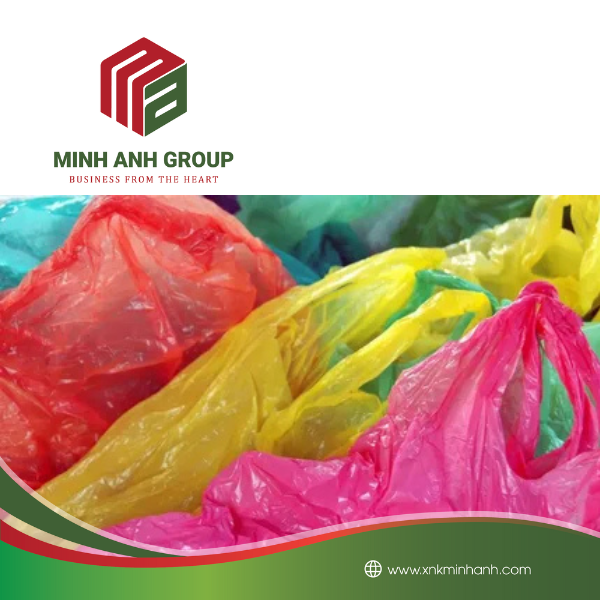
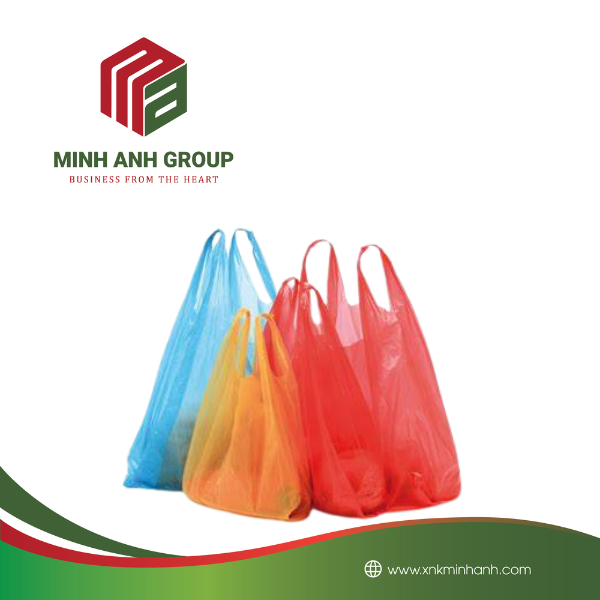
Plastic bags have long been a staple of convenience in our daily lives. Lightweight, durable, and cheap to produce, they’ve dominated the packaging and retail industries for decades. However, their environmental cost is staggering. According to studies, over 300 million tons of plastic are produced globally each year, with a significant portion ending up in landfills, oceans, and other natural habitats.
Plastic bags are particularly problematic because they are not biodegradable. They can take hundreds of years to break down, and even then, they fragment into microplastics that continue to harm ecosystems. Marine animals often mistake plastic for food, leading to fatal blockages in their digestive systems. Additionally, when burned, plastic releases toxic chemicals into the air, contributing to air pollution and climate change.
Enter Paper Bags
Paper bags offer a biodegradable and recyclable alternative to their plastic counterparts. Made from natural materials like wood pulp, they decompose much faster than plastic when discarded. This means that even if a paper bag ends up as litter, it is less likely to cause long-term damage to the environment.
Moreover, paper bags are versatile and can be used for a variety of purposes, from carrying groceries to serving as packaging for gifts. Many businesses are adopting paper bags as part of their commitment to sustainability, and consumers are increasingly embracing this shift.
Environmental Benefits of Paper Bags
1. Biodegradability: Unlike plastic, paper bags break down naturally over time. This significantly reduces their impact on landfills and ecosystems.
2. Recyclability: Paper is one of the most commonly recycled materials in the world. Used paper bags can be repurposed into new products, reducing the need for virgin materials.
3. Lower Marine Impact: If a paper bag accidentally finds its way into the ocean, it poses far less risk to marine life compared to plastic. Paper dissolves relatively quickly in water, minimizing harm.
4. Renewable Resource: Paper bags are made from trees, a renewable resource when managed responsibly. Sustainable forestry practices ensure that trees are replanted and forests are preserved.
Challenges and Considerations
While paper bags have many advantages, it’s important to acknowledge their limitations. Producing paper bags requires significant amounts of water and energy. Additionally, deforestation can become an issue if trees are not harvested sustainably. This highlights the need for responsible sourcing and production practices.
Another consideration is durability. Paper bags are generally less sturdy than plastic ones and may not hold up well under heavy loads or wet conditions. However, advancements in design and materials are addressing these shortcomings, making modern paper bags more reliable than ever.
A Balanced Approach
Switching from plastic to paper is a step in the right direction, but it’s not a silver bullet. To truly reduce waste and protect our planet, we need to adopt a holistic approach that includes reducing overall consumption, reusing materials whenever possible, and recycling responsibly.
For instance, reusable cloth bags are an excellent complement to paper bags. They can be used repeatedly for years and often have a lower environmental footprint over their lifetime compared to single-use options. By combining the use of paper bags with other sustainable practices, we can make a more significant impact.
How You Can Help
As consumers, we have the power to drive change through our choices. Here are some simple ways you can contribute:
1. Opt for Paper Bags: When given the choice between plastic and paper at stores, go for paper. Better yet, bring your own reusable bag.
2. Reuse When Possible: Don’t toss your paper bag after a single use! Repurpose it for storage, crafts, or as compost material.
3. Support Businesses That Care: Patronize companies that prioritize sustainable practices, such as using recycled paper bags or offering incentives for bringing your own bag.
4. Educate Others: Share the benefits of paper bags with friends and family. The more people understand their role in reducing plastic waste, the greater the collective impact.
Paper bags may seem like a small change in the grand scheme of things, but their role in reducing plastic waste is undeniable. By choosing biodegradable and recyclable alternatives like paper bags, we take meaningful steps toward a cleaner, healthier planet. While challenges remain, innovation and conscious consumer behavior can help us overcome them.
Let’s embrace this shift with open arms (and open bags!) as we work together to create a more sustainable future—one thoughtful choice at a time.
Hãy là người đầu tiên nhận xét “The Role of Paper Bags in Reducing Plastic Waste”
Sản phẩm tương tự


Tin Tức Bao Bì

Tin Tức Bao Bì

Tin Tức Bao Bì

Tin Tức Bao Bì


Tin Tức Bao Bì

Tin Tức Bao Bì


Đánh giá
Chưa có đánh giá nào.