
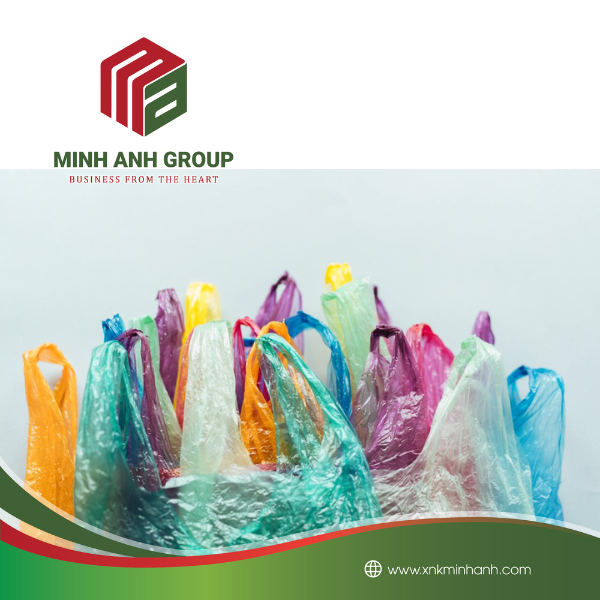
How to Transition from Plastic to Paper Bags in Your Business

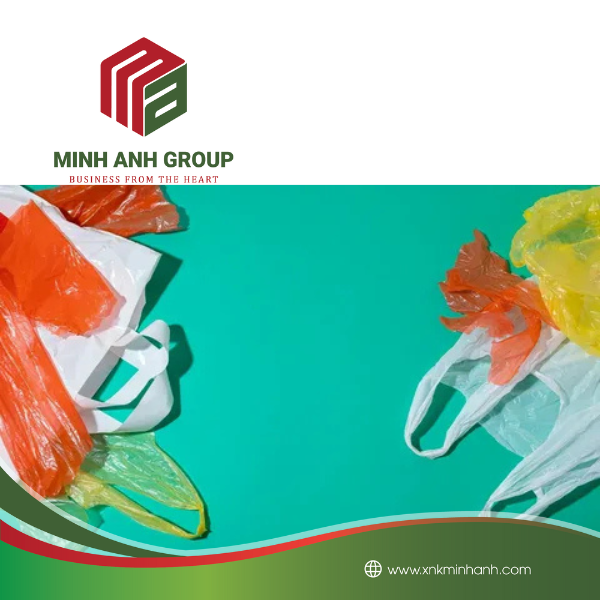
Transitioning from plastic to paper bags is more than just a practical change—it’s a meaningful commitment to protecting our planet for future generations. While the process may require some planning and investment upfront, the long-term benefits for both the environment and your business are well worth it.
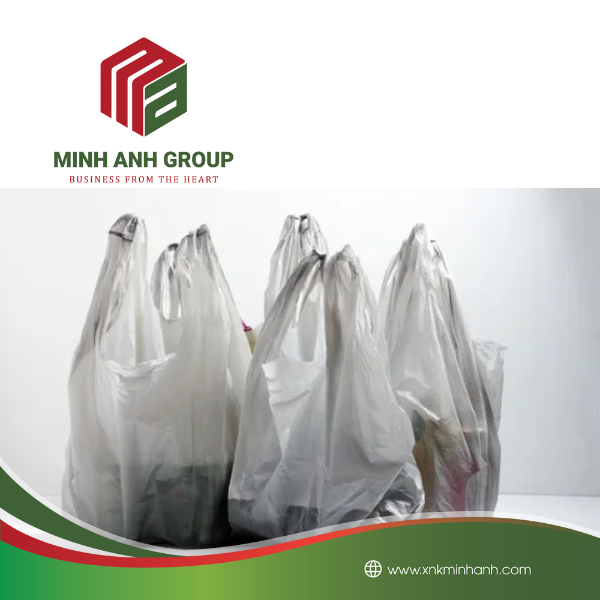
In recent years, businesses across the globe have been making conscious efforts to reduce their environmental impact, and one of the simplest yet most effective changes is transitioning from plastic to paper bags. With growing awareness about the detrimental effects of plastic pollution and increasing consumer preference for sustainable practices, switching to paper bags is not just an eco-friendly choice—it’s a smart business move. If you’re considering making this shift, here’s a friendly guide to help you navigate the process smoothly.
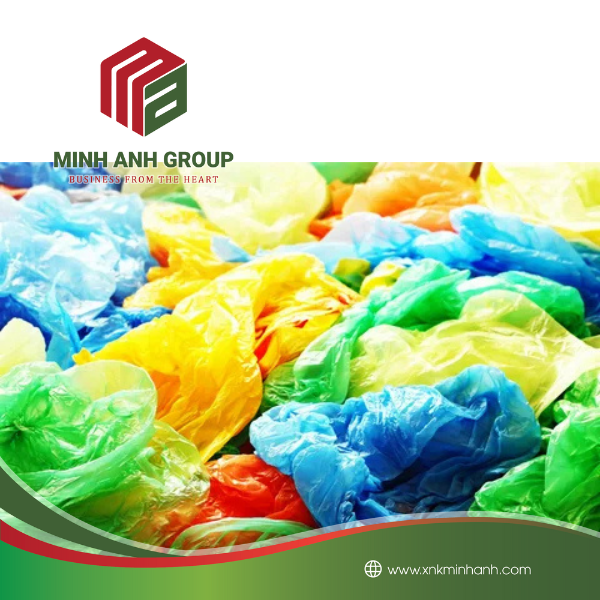
1. Understand the Benefits of Paper Bags
Before diving into the transition, it’s important to understand why paper bags are a better alternative. Unlike plastic, paper is biodegradable, recyclable, and often made from renewable resources. This means that paper bags have a significantly lower environmental footprint when disposed of properly. Moreover, adopting paper bags can enhance your brand image by showcasing your commitment to sustainability—a value that resonates deeply with today’s environmentally conscious consumers.
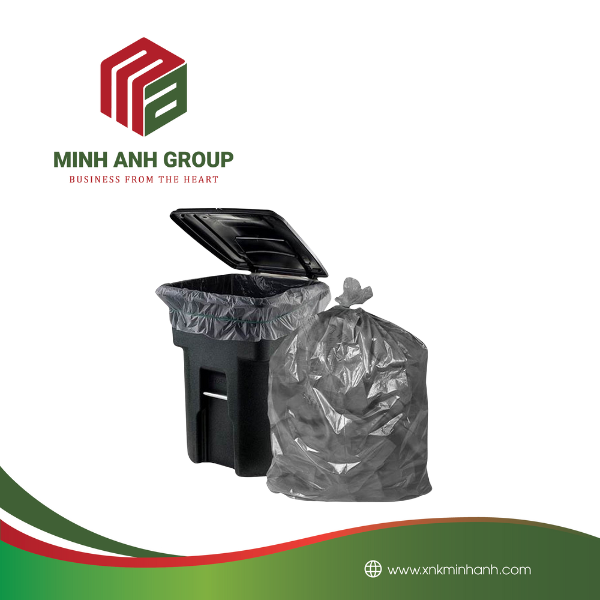
2. Assess Your Current Bag Usage
Start by evaluating how many plastic bags your business currently uses and for what purposes. Are you using them for retail packaging, takeout orders, or grocery deliveries? Understanding your usage patterns will help you determine the type, size, and quantity of paper bags you’ll need as replacements.
Additionally, consider the strength and durability requirements of your bags. For instance, if your business deals with heavy items, you’ll need sturdy paper bags reinforced with handles or thicker material.

3. Research Suppliers and Materials
Choosing the right supplier is a crucial step in this transition. Look for reputable manufacturers who specialize in eco-friendly paper bags made from recycled or sustainably sourced materials. Many suppliers offer customization options, allowing you to add your logo or branding to the bags, which can further promote your company’s green initiatives.
Take the time to compare pricing, delivery timelines, and minimum order quantities to find a supplier that aligns with your business needs and budget.
4. Communicate with Your Customers
Switching to paper bags is not just a logistical change—it’s an opportunity to engage with your customers and share your commitment to sustainability. Use your website, social media platforms, and in-store signage to announce the transition and explain why it’s important.
For example, you could share a post saying:
“We’re excited to take a step toward a greener future! Starting [date], we’ll be replacing plastic bags with eco-friendly paper bags. Together, let’s reduce waste and protect our planet!”
When customers see that your decision is rooted in care for the environment, they’re more likely to support and appreciate the change.
5. Train Your Staff
Your employees play a key role in implementing this transition effectively. Take the time to train them on why the switch is happening and how to handle the new paper bags properly. For example, they may need guidance on how to pack items securely in paper bags or what to do if customers request additional packaging.
Encourage your team to share the message of sustainability with customers who inquire about the change—it’s a great way to foster positive interactions and build trust.
6. Phase Out Plastic Gradually
A sudden switch from plastic to paper bags may disrupt your operations or leave you with excess inventory of plastic bags. To avoid waste and ensure a smooth transition, consider phasing out plastic gradually. Use up your existing stock of plastic bags while introducing paper bags as an alternative.
You can also incentivize customers to bring their own reusable bags during this phase by offering small discounts or loyalty points.
7. Monitor Costs and Adjust Accordingly
While paper bags are generally more sustainable than plastic, they can sometimes be more expensive depending on the materials and customizations you choose. Keep an eye on your costs and explore ways to offset them if needed. For instance, you could introduce a small fee for paper bags or encourage customers to bring their own reusable bags by offering incentives.
Remember, many consumers are willing to pay a little extra for eco-friendly options when they understand the environmental benefits.
8. Promote Your Green Initiative
Once your business has fully transitioned to paper bags, don’t hesitate to promote this achievement! Highlight your efforts in marketing campaigns, newsletters, and press releases. Share stories about how this change aligns with your company’s values and contributes to a healthier planet.
You could even partner with local environmental organizations or participate in sustainability events to further demonstrate your commitment.
9. Explore Other Sustainable Practices
Switching to paper bags is an excellent first step, but why stop there? Consider other ways your business can reduce its environmental footprint, such as:
– Offering reusable bag options for sale.
– Reducing overall packaging waste wherever possible.
– Using biodegradable or compostable materials for other products.
Sustainability is an ongoing journey, and each small step contributes to a larger impact.
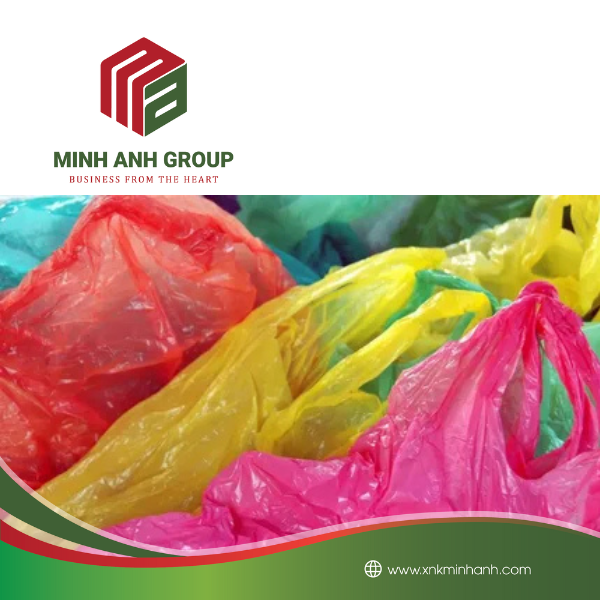
Transitioning from plastic to paper bags is more than just a practical change—it’s a meaningful commitment to protecting our planet for future generations. While the process may require some planning and investment upfront, the long-term benefits for both the environment and your business are well worth it.
By taking this step, you’re not only reducing waste but also inspiring others—customers, employees, and fellow businesses alike—to join you in creating a more sustainable world. So go ahead, make the switch with confidence, and take pride in knowing that your business is making a positive difference!
Hãy là người đầu tiên nhận xét “How to Transition from Plastic to Paper Bags in Your Business”
Sản phẩm tương tự


Tin Tức Bao Bì

Tin Tức Bao Bì


Tin Tức Bao Bì


Đánh giá
Chưa có đánh giá nào.