

The Role of Biohazardous Bags in Healthcare Facilities

When we think of healthcare facilities, we often picture doctors, nurses, and advanced medical equipment working together to save lives and promote well-being. However, behind the scenes, there is an equally important aspect of healthcare that ensures safety for both patients and staff: proper waste management. Among the many tools used for this purpose, biohazardous bags play a crucial role in maintaining hygiene and preventing the spread of infections.
When we think of healthcare facilities, we often picture doctors, nurses, and advanced medical equipment working together to save lives and promote well-being. However, behind the scenes, there is an equally important aspect of healthcare that ensures safety for both patients and staff: proper waste management. Among the many tools used for this purpose, biohazardous bags play a crucial role in maintaining hygiene and preventing the spread of infections.

What Are Biohazardous Bags?
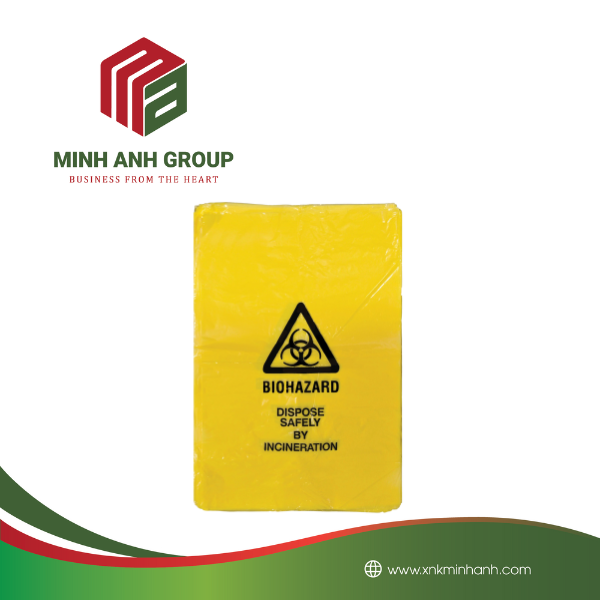
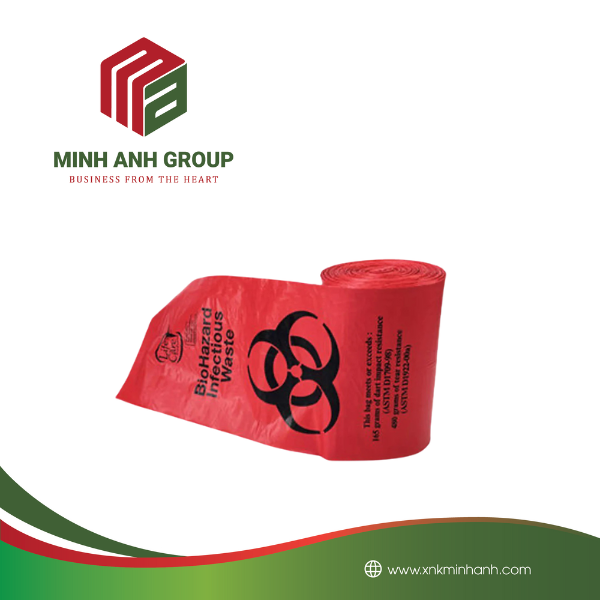
Biohazardous bags are specially designed containers used to collect and dispose of waste that poses a biological risk. These bags are typically bright red or orange and are marked with the universal biohazard symbol, making them easy to identify. They are made from durable, leak-resistant materials to ensure that hazardous substances do not escape during handling or transportation.
The waste collected in biohazardous bags often includes items like used syringes, gloves, bandages, cultures, and other materials contaminated with bodily fluids or infectious agents. Proper disposal of such waste is essential to protect healthcare workers, patients, and the environment.

Why Are Biohazardous Bags Important?
Healthcare facilities generate a significant amount of waste daily, some of which can be highly infectious or hazardous if not managed correctly. Biohazardous bags serve as the first line of defense in containing this waste safely. Here are a few key reasons why they are indispensable:
1. Infection Control
Hospitals and clinics are places where people with various illnesses converge. Without proper waste segregation, infectious agents can spread quickly, putting everyone at risk. Biohazardous bags help isolate potentially harmful materials, reducing the chances of cross-contamination.
2. Compliance with Regulations
Governments and health organizations worldwide have strict guidelines for medical waste management. Using biohazardous bags ensures that healthcare facilities comply with these regulations, avoiding penalties and maintaining their reputation as safe environments for care.

3. Safety for Workers
Healthcare workers, including janitorial staff, are frequently exposed to medical waste. Biohazardous bags minimize their risk of coming into contact with infectious materials, sharp objects, or toxic substances during handling and disposal.
4. Environmental Protection
Improper disposal of medical waste can have severe consequences for the environment. Contaminated materials can pollute soil and water sources, endangering wildlife and public health. Biohazardous bags are designed to ensure safe containment until the waste can be treated or incinerated appropriately.

Types of Waste That Go into Biohazardous Bags
Not all waste generated in healthcare facilities is considered biohazardous. It is important to understand what belongs in these specialized bags to ensure proper segregation and disposal. Common examples include:
– Sharps: Needles, scalpels, and other sharp objects.
– Pathological Waste: Human tissues, organs, and body parts.
– Infectious Waste: Items contaminated with blood or other bodily fluids.
– Microbiological Waste: Cultures, petri dishes, and laboratory specimens.
– Pharmaceutical Waste: Expired or unused medications (in some cases).

Items like regular office waste or food scraps should never be placed in biohazardous bags, as this can complicate disposal processes and increase costs unnecessarily.
Best Practices for Using Biohazardous Bags
To maximize the effectiveness of biohazardous bags, healthcare facilities should follow certain best practices:
1. Proper Segregation
Train staff to identify different types of medical waste and use the appropriate containers for each category. Clear signage and color-coded systems can help streamline this process.
2. Secure Sealing
Ensure that biohazardous bags are sealed tightly before they are removed from patient care areas. This prevents accidental spills or leaks during transportation.
3. Avoid Overfilling
Overfilled bags are more likely to tear or burst, posing a risk to those handling them. Always follow the recommended capacity guidelines for each bag.
4. Regular Collection
Schedule frequent waste collection to prevent biohazardous materials from accumulating in patient areas. This also helps control odors and maintain a clean environment.
5. Staff Training
Educate all employees on the importance of proper waste disposal and the role of biohazardous bags in infection control. Regular training sessions can reinforce these practices and address any questions or concerns.

The Future of Biohazardous Waste Management
As technology advances, so too does the field of medical waste management. Innovations such as biodegradable biohazardous bags and automated waste segregation systems are already being explored to make disposal processes more efficient and environmentally friendly.
Additionally, increased awareness about sustainability is encouraging healthcare facilities to adopt greener practices without compromising safety. For instance, some facilities are investing in on-site sterilization equipment that allows them to treat biohazardous waste before disposal, reducing their environmental footprint.
Biohazardous bags may not be the most glamorous aspect of healthcare, but they are undeniably one of the most important tools in maintaining a safe and clean environment. By ensuring proper containment and disposal of hazardous materials, these bags protect not only those within healthcare facilities but also the broader community and ecosystem.
Whether you’re a healthcare professional or simply someone curious about how hospitals operate behind the scenes, it’s worth appreciating the humble biohazardous bag for its vital role in safeguarding public health. After all, when it comes to preventing infections and promoting safety, every detail matters!
Hãy là người đầu tiên nhận xét “The Role of Biohazardous Bags in Healthcare Facilities”
Sản phẩm tương tự


Tin Tức Bao Bì


Tin Tức Bao Bì
Food Cling Film: Outstanding Advantages in Food Preservation

Tin Tức Bao Bì


Tin Tức Bao Bì

Tin Tức Bao Bì

Tin Tức Bao Bì


Đánh giá
Chưa có đánh giá nào.