

The Process of Making Plastic Granules Explained

Plastic granules are an essential component in the production of a wide range of plastic products. The process of making plastic granules involves several steps that are crucial to ensuring the quality and consistency of the final product. In this article, we will explore the process of making plastic granules and the various techniques and equipment involved.
Plastic granules are an essential component in the production of a wide range of plastic products. The process of making plastic granules involves several steps that are crucial to ensuring the quality and consistency of the final product. In this article, we will explore the process of making plastic granules and the various techniques and equipment involved.
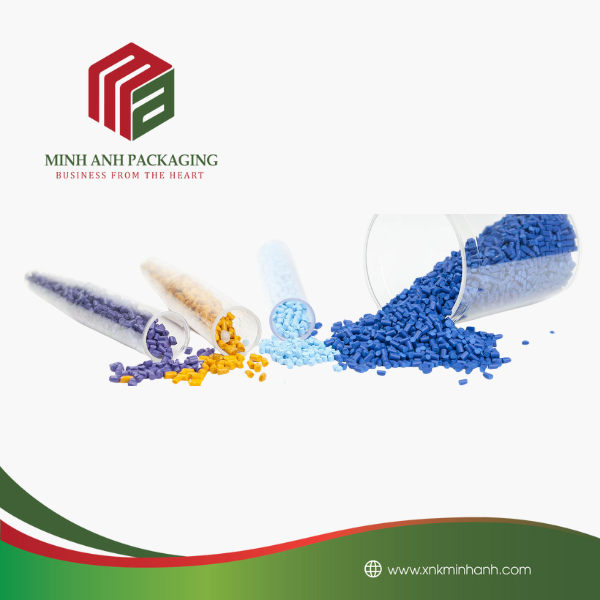
The first step in the process of making plastic granules is the collection of raw materials. These raw materials can include a variety of plastic resins, such as polyethylene, polypropylene, and PVC, as well as additives and colorants. It is important to ensure that the raw materials are of high quality and free from any contaminants or impurities that could affect the performance of the final product.
Once the raw materials have been collected, they are typically transported to a processing facility where they undergo a series of steps to be transformed into plastic granules. The first step in this process is typically melting the raw materials in a large industrial mixer or extruder. This melting process is crucial for ensuring that the raw materials are thoroughly mixed and any additives or colorants are evenly distributed throughout the mixture.

After the raw materials have been melted and thoroughly mixed, they are then forced through a die to create long strands of plastic. These strands are then cooled and cut into small pellets, which are the plastic granules that will be used in the production of various plastic products. The size and shape of the pellets can vary depending on the specific requirements of the end product.
Once the plastic granules have been produced, they are typically stored in large containers or bags until they are ready to be used in the production process. It is important to store the granules in a clean and dry environment to prevent any contamination or degradation of the material.
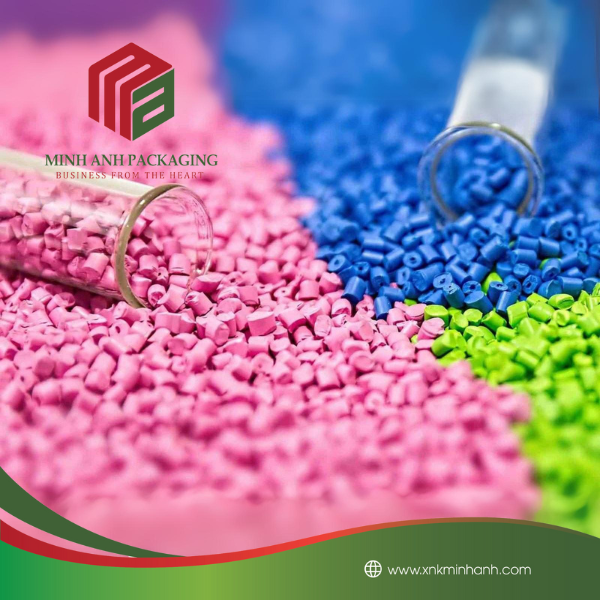
In some cases, the plastic granules may undergo additional processing steps before they are used in the production of plastic products. For example, they may be subjected to additional heating and cooling processes to further refine their properties and ensure they meet specific performance requirements.
The production of plastic granules requires specialized equipment and expertise to ensure that the final product meets the necessary quality standards. This can include industrial mixers, extruders, cooling systems, and cutting equipment, as well as quality control measures to monitor the consistency and performance of the granules.
Overall, the process of making plastic granules is a complex and precise operation that plays a crucial role in the production of a wide range of plastic products. By understanding the various steps involved in this process, manufacturers can ensure that they produce high-quality plastic granules that meet the specific requirements of their end products.
Hãy là người đầu tiên nhận xét “The Process of Making Plastic Granules Explained”
Sản phẩm tương tự

Tin Tức Bao Bì

Tin Tức Bao Bì


Tin Tức Bao Bì

Tin Tức Bao Bì


Tin Tức Bao Bì
Food Cling Film: Outstanding Advantages in Food Preservation

Tin Tức Bao Bì

Tin Tức Bao Bì


Đánh giá
Chưa có đánh giá nào.