
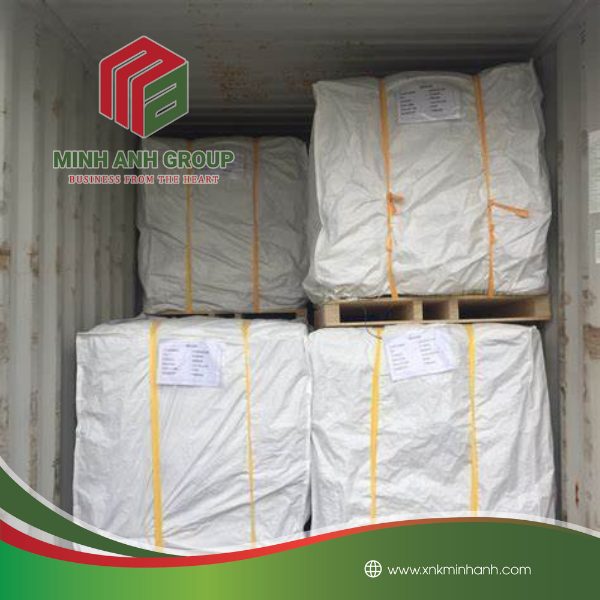
The Environmental Impact of Using Jumbo Bags
Jumbo bags offer significant advantages in terms of resource efficiency and operational convenience. However, like all packaging solutions, they present environmental challenges that must be addressed through responsible management practices and technological advancements. By enhancing recycling processes, exploring biodegradable options, and adopting circular economy models, industries can mitigate the environmental impact of jumbo bags while continuing to benefit from their practical applications.
In recent years, the global focus on sustainability and environmental conservation has prompted industries to reevaluate their packaging solutions. Jumbo bags, also known as FIBCs (Flexible Intermediate Bulk Containers), have emerged as a popular choice across various sectors due to their versatility and efficiency. However, like all packaging solutions, they come with their own set of environmental implications that warrant a closer examination.
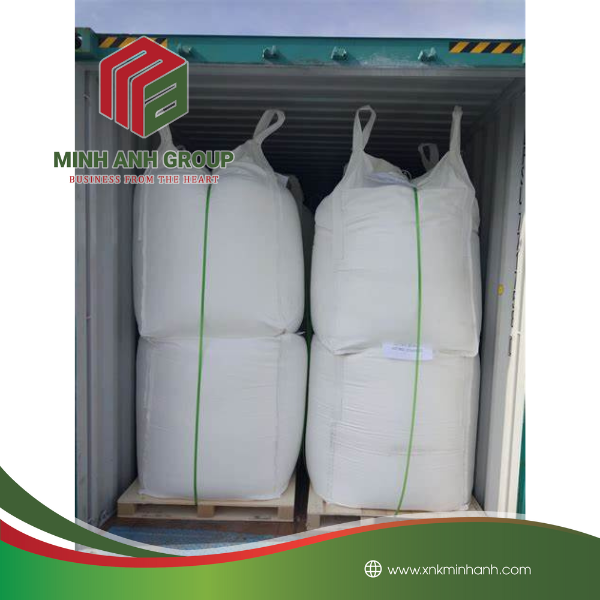
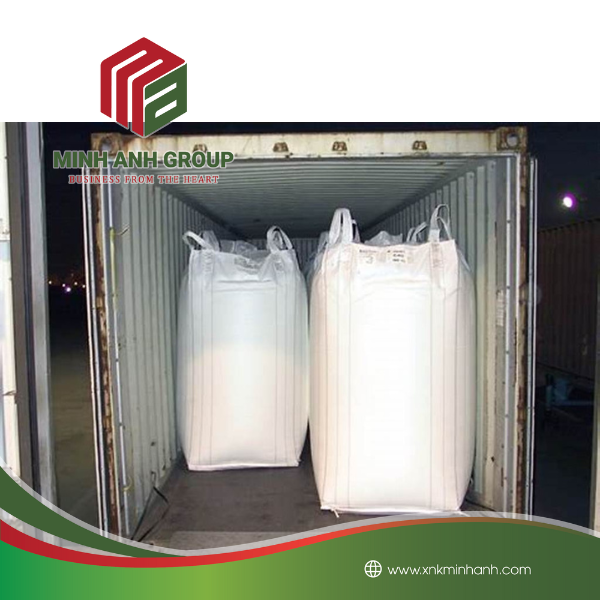
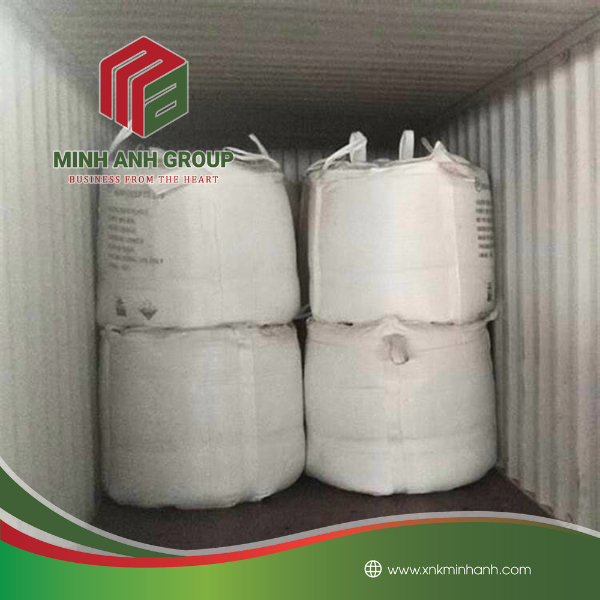
Jumbo bags are large, flexible containers typically made from woven polypropylene fabric. They are designed to store and transport bulk materials such as grains, chemicals, and construction materials. Their capacity to hold up to 2000 kilograms makes them an efficient solution for bulk handling, reducing the need for multiple smaller containers.
1. Resource Efficiency
One of the primary environmental benefits of jumbo bags is their resource efficiency. The production of FIBCs requires less material compared to rigid containers such as drums or metal bins. This reduction in material usage translates to lower energy consumption during manufacturing, contributing to a smaller carbon footprint.
2. Reusability and Longevity
Jumbo bags are designed for multiple uses. High-quality FIBCs can be reused several times before they reach the end of their lifecycle. This reusability reduces the demand for new bags, thereby conserving resources and minimizing waste.
3. Space Optimization
Due to their flexible nature, jumbo bags can be easily folded and stored when not in use. This space-saving characteristic reduces storage requirements and transportation emissions, as more units can be transported in a single trip compared to rigid alternatives.

Despite their benefits, jumbo bags also pose certain environmental challenges:
1. Plastic Pollution
The primary material used in jumbo bags is polypropylene, a type of plastic. While polypropylene is recyclable, improper disposal can lead to environmental pollution. If not managed correctly, discarded FIBCs can contribute to the growing issue of plastic waste in landfills and oceans.
2. Recycling Challenges
The recycling of jumbo bags can be complicated by contamination from the materials they carry. For instance, bags used for transporting chemicals may require special handling and cleaning before recycling, which can be resource-intensive.
3. End-of-Life Management
At the end of their useful life, jumbo bags must be disposed of responsibly. Without proper recycling infrastructure, these bags may end up in landfills, where they can take hundreds of years to decompose.
To address the environmental concerns associated with jumbo bags, several strategies can be employed:
1. Improved Recycling Processes
Investing in advanced recycling technologies can enhance the efficiency of processing used jumbo bags. Developing systems that can handle contaminated bags will increase the recycling rates and reduce landfill contributions.
2. Biodegradable Alternatives
Research into biodegradable materials for FIBCs is ongoing. Developing eco-friendly alternatives that maintain the strength and durability of traditional jumbo bags would significantly reduce their environmental impact.
3. Circular Economy Practices
Implementing circular economy principles, where used bags are collected, cleaned, and returned to manufacturers for reuse or recycling, can minimize waste and promote sustainable use of resources.
Jumbo bags offer significant advantages in terms of resource efficiency and operational convenience. However, like all packaging solutions, they present environmental challenges that must be addressed through responsible management practices and technological advancements. By enhancing recycling processes, exploring biodegradable options, and adopting circular economy models, industries can mitigate the environmental impact of jumbo bags while continuing to benefit from their practical applications.
As we move towards a more sustainable future, it is crucial for stakeholders across the supply chain to collaborate in developing innovative solutions that balance operational needs with environmental stewardship.
Hãy là người đầu tiên nhận xét “The Environmental Impact of Using Jumbo Bags”
Sản phẩm tương tự


Tin Tức Bao Bì


Tin Tức Bao Bì
Food Cling Film: Outstanding Advantages in Food Preservation


Tin Tức Bao Bì

Tin Tức Bao Bì

Tin Tức Bao Bì


Đánh giá
Chưa có đánh giá nào.