
Kinetic Energy-Harvesting FIBC Bags: Powering IoT Sensors During Transport


Let’s talk about these IoT sensors for a minute because they’re basically the drama queens of the shipping world. They love to spill all the tea about what’s happening during transport. Did the container get too hot? Too cold? Did someone drop it? Did it take a detour through a sketchy warehouse? These sensors know everything and aren’t afraid to share.
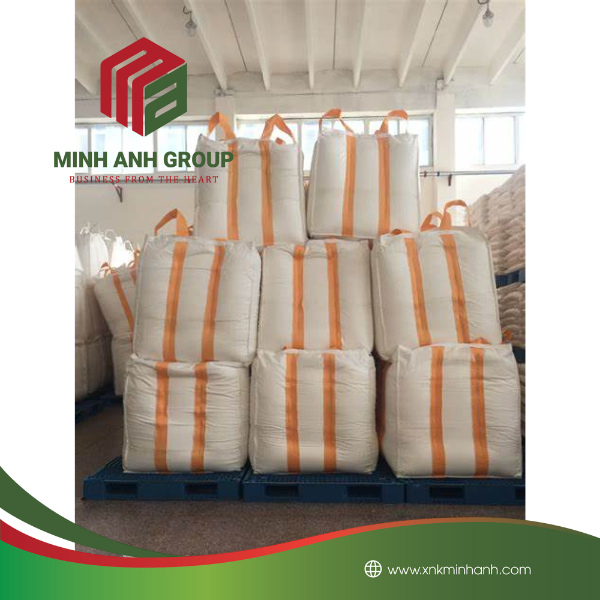
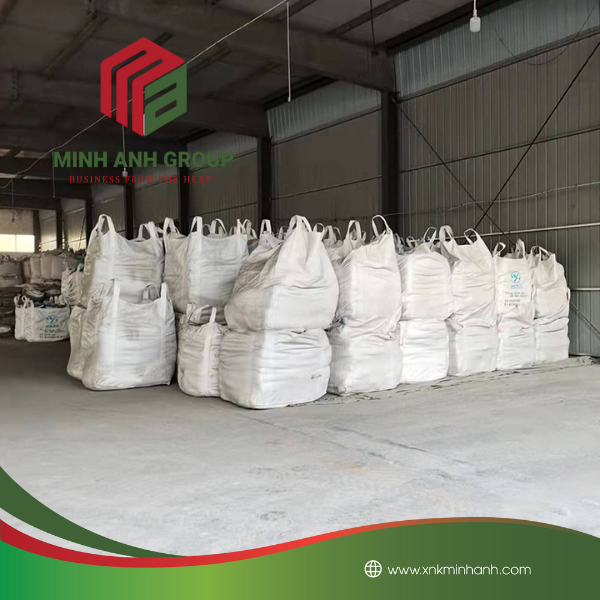
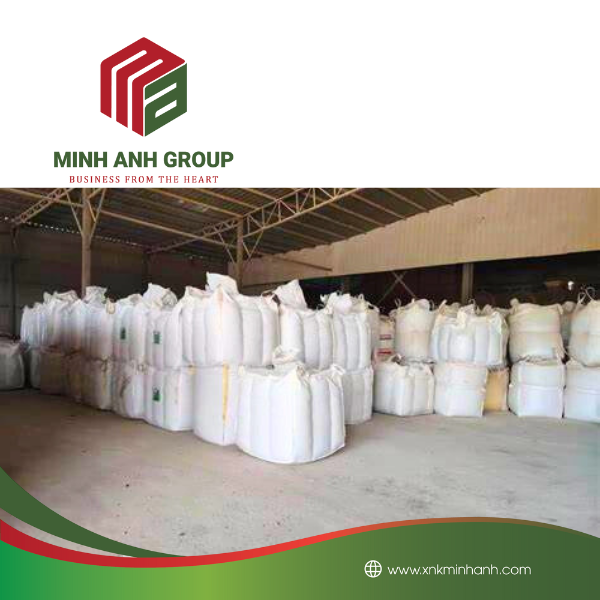
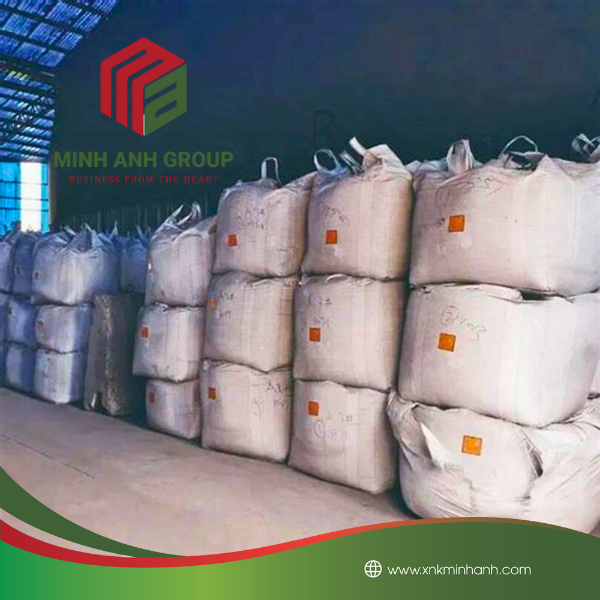
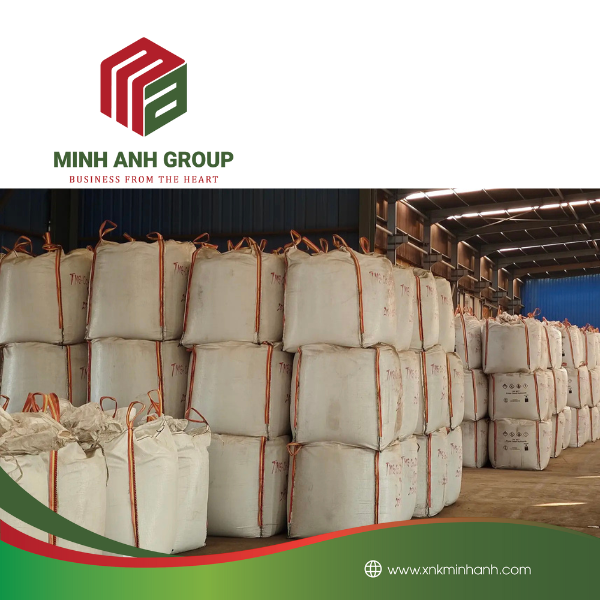
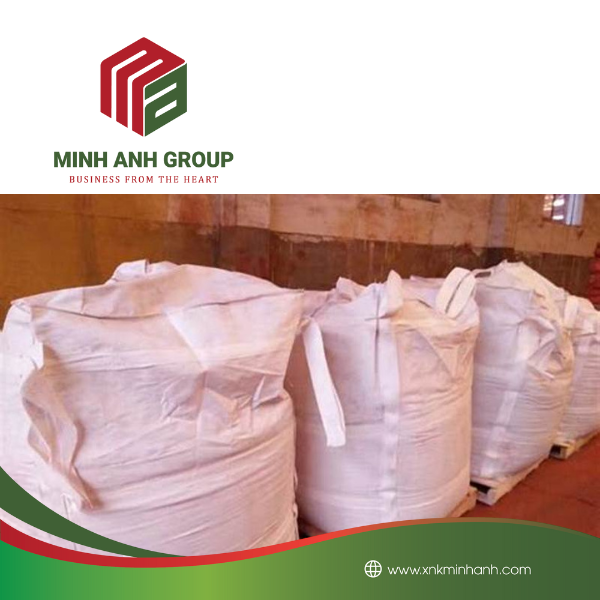
Imagine this: you’re shipping a ton of goods across the country in those big, industrial Flexible Intermediate Bulk Containers (FIBCs), and instead of just sitting there like giant sacks of potatoes (which, ironically, they might actually be carrying), these bags are busy harnessing energy. Yes, you heard that right—your humble FIBC bag is moonlighting as a power plant. Welcome to the wild world of kinetic energy-harvesting FIBC bags, where science meets shipping and IoT sensors get their juice from a bag’s bumpy ride.
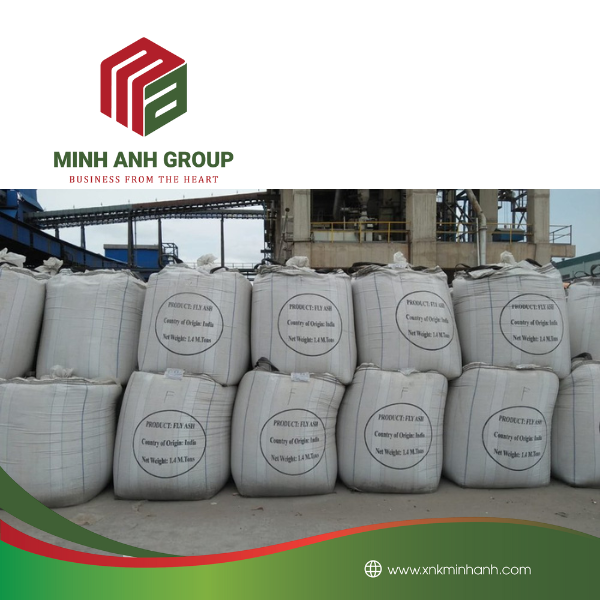
Now, before you roll your eyes and say, “Oh great, another tech buzzword,” let me assure you—this is not your average case of over-engineering. It’s genius! These bags are like the overachievers of the logistics world. Not only are they hauling cargo, but they’re also capturing the energy from all that jostling, shaking, and bouncing during transport. It’s like turning your morning commute into a gym session that powers your phone. (If only my coffee cup could do that.)
The Secret Sauce: Kinetic Energy Harvesting
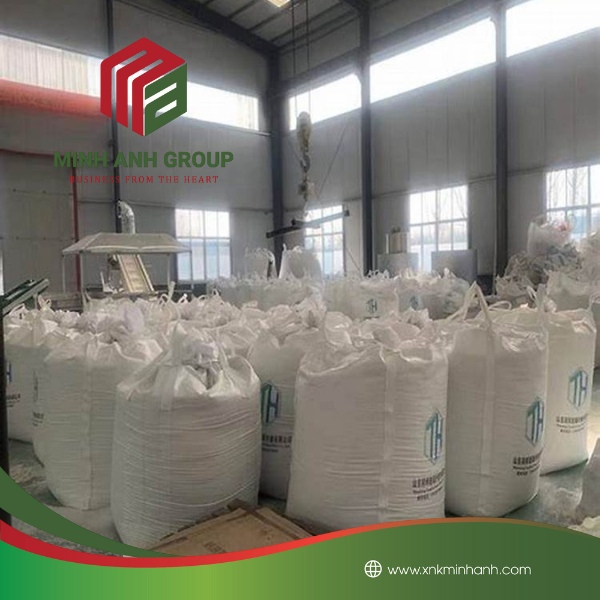
So how does this wizardry work? Well, kinetic energy harvesting is basically a fancy way of saying “turning movement into electricity.” Every time the FIBC bag gets a little bump or jiggle—whether from a pothole, turbulence, or an overenthusiastic forklift driver—it generates energy. Inside these bags are tiny devices that convert mechanical energy into electrical energy. Think of it like those hand-crank flashlights, but instead of you doing the cranking, it’s the chaotic symphony of transport doing all the work. Thank you, bumpy roads!
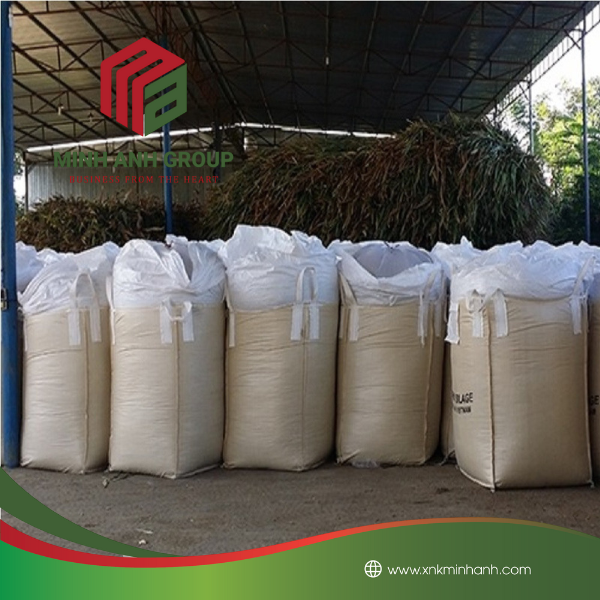
This energy is then used to power Internet of Things (IoT) sensors embedded in or around the bag. These sensors can monitor all sorts of things: temperature, humidity, location, and even whether someone has tampered with the goods. In short, these bags are like the James Bond of shipping—always on, always watching, and always ready to save the day.
Why Do We Need This? (Besides It Being Really Cool)
Okay, so you’re probably wondering: why go through all this trouble? Can’t we just slap a battery on those sensors and call it a day? Sure, but where’s the fun in that? Plus, batteries need to be replaced or recharged, and let’s face it—nobody wants to be the person responsible for changing batteries in 10,000 shipping bags. That sounds like a logistical nightmare and a great way to develop an intense hatred for AA batteries.
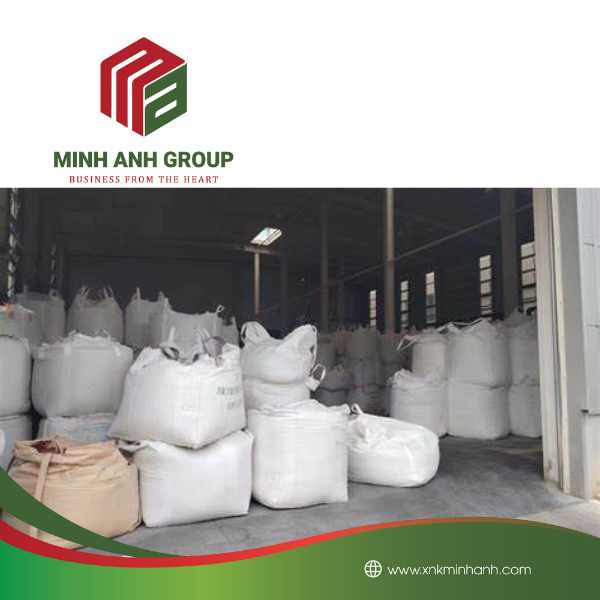
Kinetic energy-harvesting FIBC bags solve this problem by being self-sustaining. They’re like those people who always bring their own snacks to parties—they don’t need anything from anyone. This makes them perfect for long-haul transport or remote areas where recharging isn’t an option. Plus, it’s eco-friendly! By using the energy already being generated by movement, you’re reducing waste and cutting down on battery use. Mother Earth approves.
IoT Sensors: The Gossip Queens of Logistics
Let’s talk about these IoT sensors for a minute because they’re basically the drama queens of the shipping world. They love to spill all the tea about what’s happening during transport. Did the container get too hot? Too cold? Did someone drop it? Did it take a detour through a sketchy warehouse? These sensors know everything and aren’t afraid to share.
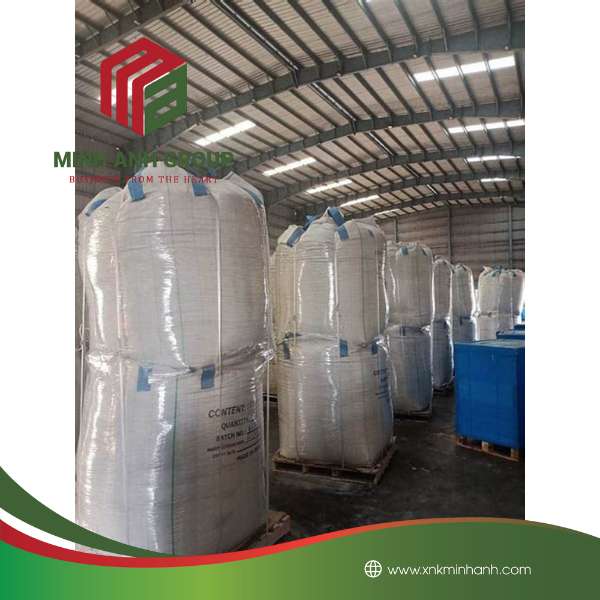
With kinetic energy-harvesting FIBC bags powering these sensors, companies can track their shipments in real-time with unprecedented detail. It’s like having a GPS tracker on your pizza delivery guy but for industrial goods. This level of transparency can help reduce losses, improve efficiency, and ensure that sensitive cargo (like food or medicine) arrives in perfect condition.
Challenges: Because Nothing Is Ever That Easy
Of course, no innovation is without its challenges. For starters, these bags need to generate enough energy to power the sensors continuously. If the transport is too smooth (looking at you, high-speed trains), there might not be enough jostling to keep things running. Ironically, this means that bad roads and turbulence are actually good for these bags. Who knew potholes could be heroes?
Then there’s the cost factor. Adding energy-harvesting tech to FIBC bags isn’t exactly cheap—yet. But as with most new technologies, prices are expected to drop as production scales up. And let’s be real: if companies can afford to ship avocado toast across continents, they can probably afford some fancy bags.
The Future: Self-Charging Bags and Beyond
So what’s next for these overachieving bags? Well, the possibilities are endless. Imagine a future where every piece of cargo generates its own power during transport. Trucks could recharge their batteries while driving over bumpy roads. Ships could harness the rocking motion of waves to power onboard systems. Heck, maybe one day we’ll have suitcases that charge our phones while we drag them through airports. (Seriously, someone needs to invent this ASAP.)
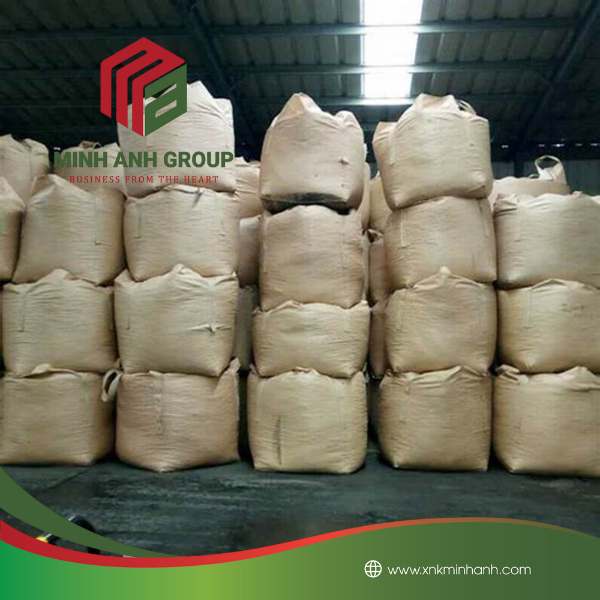
In conclusion, kinetic energy-harvesting FIBC bags are proof that even something as mundane as a shipping bag can be transformed into a high-tech marvel. They’re practical, eco-friendly, and just plain cool. So next time you see one of those big industrial bags on a truck or train, give it a little nod of respect—it might just be powering the future of logistics.
And who knows? Maybe one day we’ll all be wearing kinetic energy-harvesting clothes that charge our phones while we walk. Until then, let’s raise a toast (preferably avocado) to these brilliant bags and their electrifying potential!
Hãy là người đầu tiên nhận xét “Kinetic Energy-Harvesting FIBC Bags: Powering IoT Sensors During Transport”
Sản phẩm tương tự


Tin Tức Bao Bì

Tin Tức Bao Bì

Tin Tức Bao Bì

Tin Tức Bao Bì

Tin Tức Bao Bì


Tin Tức Bao Bì


Đánh giá
Chưa có đánh giá nào.