

Innovations in Color Masterbatches for Plastic Granules
One of the key innovations in color masterbatches is the development of high-performance pigments. Traditional pigments often posed challenges such as limited color options, poor dispersion, and high processing temperatures. However, with the introduction of high-performance pigments, manufacturers now have access to a wider range of vibrant colors, improved heat stability, and better dispersion properties. This has enabled the production of plastic products with more consistent and attractive colors, meeting the increasing demand for aesthetically pleasing and high-quality plastic goods.
In the world of plastic manufacturing, color masterbatches play a crucial role in achieving the desired color and appearance of plastic products. These masterbatches are additives that are used to impart color to plastic granules during the manufacturing process. Over the years, there have been significant innovations in the field of color masterbatches, leading to improved quality, efficiency, and sustainability in plastic production.

One of the key innovations in color masterbatches is the development of high-performance pigments. Traditional pigments often posed challenges such as limited color options, poor dispersion, and high processing temperatures. However, with the introduction of high-performance pigments, manufacturers now have access to a wider range of vibrant colors, improved heat stability, and better dispersion properties. This has enabled the production of plastic products with more consistent and attractive colors, meeting the increasing demand for aesthetically pleasing and high-quality plastic goods.
Another notable innovation is the incorporation of special effect additives in color masterbatches. These additives can impart unique visual effects such as metallic, pearlescent, fluorescent, or glitter finishes to plastic products. By incorporating these special effect additives into color masterbatches, manufacturers can differentiate their products in the market and cater to evolving consumer preferences for visually appealing and innovative plastic items.
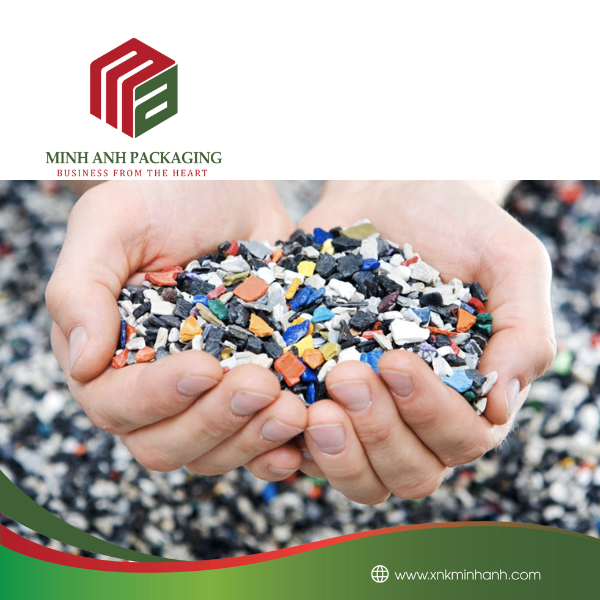
Furthermore, advancements in color matching technology have revolutionized the customization of color masterbatches. With the use of sophisticated color matching software and spectrophotometers, manufacturers can precisely formulate color masterbatches to match specific color requirements provided by their clients. This level of customization not only enhances product aesthetics but also minimizes color variation across different production batches, ensuring consistency and quality in the final plastic products.
In line with the growing emphasis on sustainability, there has been a significant focus on developing eco-friendly color masterbatches. Manufacturers are now incorporating bio-based and recycled materials into color masterbatches, reducing reliance on conventional petrochemical-based additives. This shift towards sustainable color masterbatches aligns with the industry’s commitment to reducing environmental impact and meeting regulatory requirements for sustainable manufacturing practices.
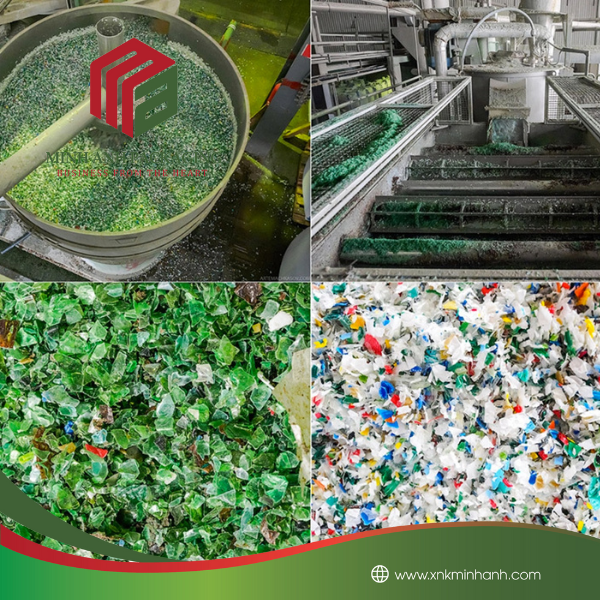
Moreover, innovations in the formulation of UV-stable color masterbatches have addressed the challenge of color fading and degradation caused by prolonged exposure to sunlight. By integrating UV stabilizers into color masterbatches, plastic products can maintain their color integrity and structural properties even when exposed to outdoor environments, extending their lifespan and enhancing their durability.
The introduction of antimicrobial additives in color masterbatches is another noteworthy advancement. With growing concerns about hygiene and cleanliness, especially in applications such as food packaging and healthcare products, the incorporation of antimicrobial additives helps inhibit the growth of bacteria and fungi on plastic surfaces. This innovation has opened up new opportunities for the use of plastic materials in sensitive environments where maintaining a hygienic surface is critical.
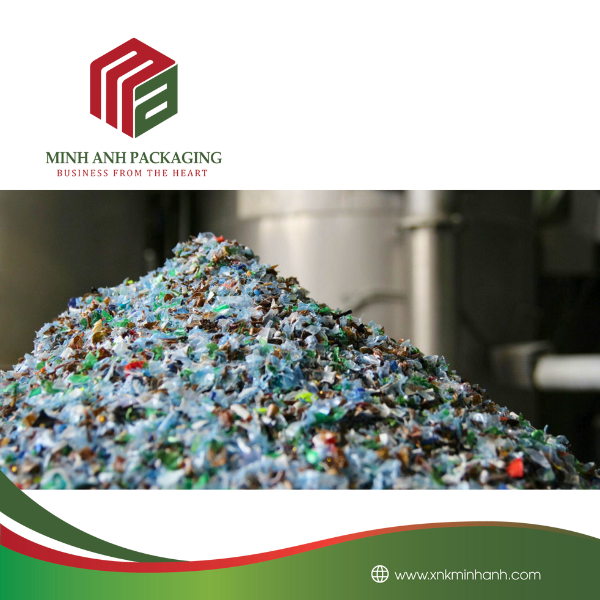
In addition to material innovations, advancements in processing technologies have also contributed to the evolution of color masterbatches. The development of specialized compounding equipment and techniques has improved the dispersion of pigments and additives within the plastic matrix, resulting in more uniform coloring and enhanced product performance. Furthermore, innovative melt filtration systems have enhanced the quality control of color masterbatches, ensuring the removal of impurities and contaminants to maintain product purity and consistency.
Looking ahead, the future of color masterbatches in plastic granules is poised for continued innovation. The integration of smart technologies such as digital color matching systems and real-time quality monitoring tools will further enhance the efficiency and precision of color masterbatch production. Additionally, the exploration of novel sustainable materials and bio-based additives will drive the development of eco-friendly color masterbatches, aligning with the industry’s sustainability goals.
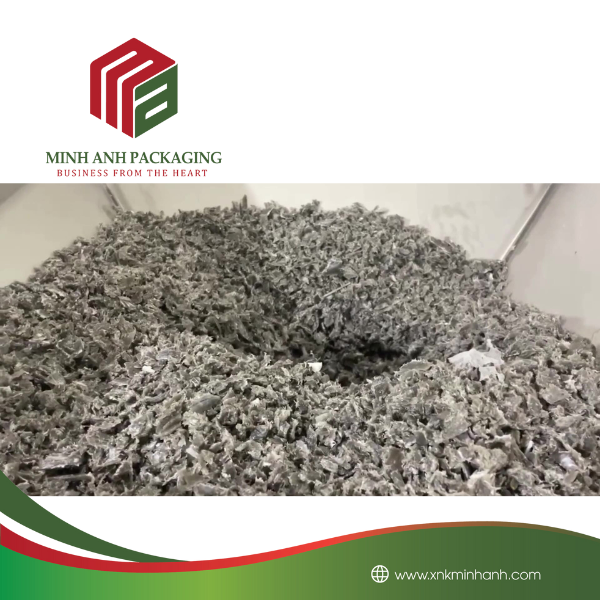
In conclusion, innovations in color masterbatches for plastic granules have significantly transformed the landscape of plastic manufacturing. From high-performance pigments to sustainable formulations and specialized additives, these innovations have not only expanded the possibilities for creating visually stunning plastic products but also reinforced the industry’s commitment to sustainability and quality. As technology continues to advance, we can expect further breakthroughs that will shape the future of color masterbatches and propel the plastic industry towards greater efficiency, versatility, and environmental responsibility.
Hãy là người đầu tiên nhận xét “Innovations in Color Masterbatches for Plastic Granules”
Sản phẩm tương tự

Tin Tức Bao Bì

Tin Tức Bao Bì

Tin Tức Bao Bì


Tin Tức Bao Bì

Tin Tức Bao Bì

Tin Tức Bao Bì


Đánh giá
Chưa có đánh giá nào.