
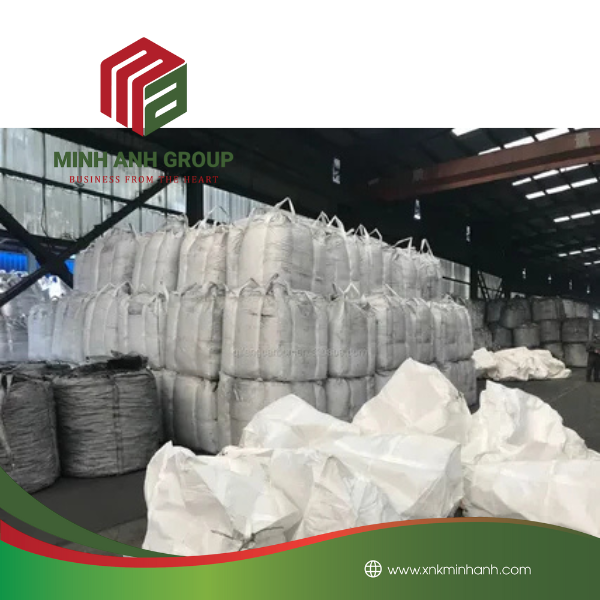
FIBC Bags: The Unsung Heroes of Bulk Material Handling

FIBC bags may not have Instagram accounts or viral TikTok dances (yet), but they’re the backbone of bulk material handling. They’re strong, versatile, eco-friendly, and reliable—basically everything you’d want in a best friend or a superhero sidekick.
Let’s talk about something that doesn’t get nearly enough credit in the world of industrial logistics and bulk material handling: FIBC bags. Yes, you read that right. Flexible Intermediate Bulk Containers, or FIBCs, are the quiet warriors of the supply chain, tirelessly hauling the weight of the world—quite literally—without so much as a complaint. If they could talk, they’d probably demand a raise and a spa day. But alas, they’re bags, so here we are, giving them the appreciation they deserve.
What Exactly Are FIBC Bags?
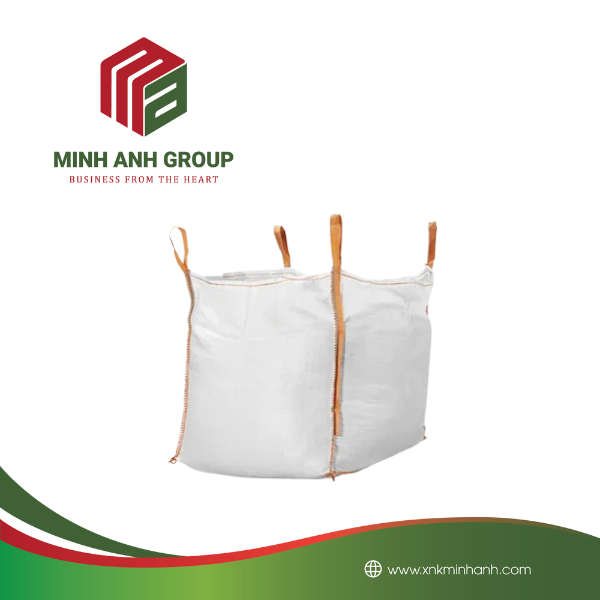
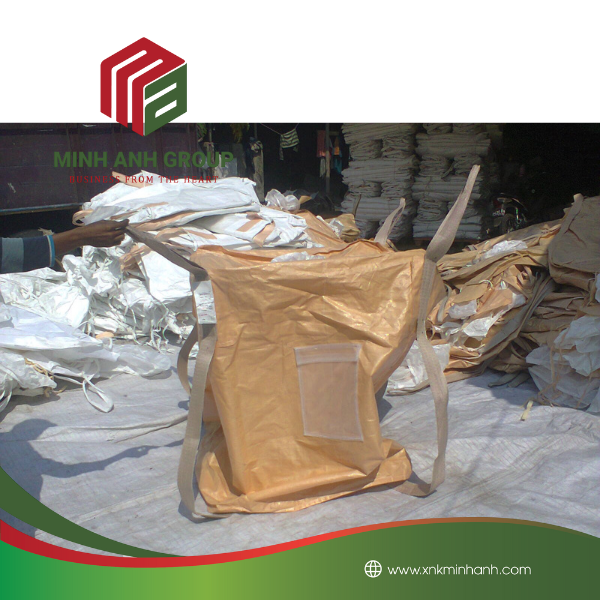
For those of you not well-versed in industrial lingo (and why would you be?), FIBC bags are essentially giant, flexible sacks designed to carry bulk materials. Think sand, grain, chemicals, or even glitter—if you’re into bulk sparkle distribution. These bags can hold anywhere from 500 to 2,000 kilograms of material, which is roughly the weight of an adult hippopotamus. Not bad for something made of woven polypropylene, right?
Why Are FIBC Bags So Amazing?
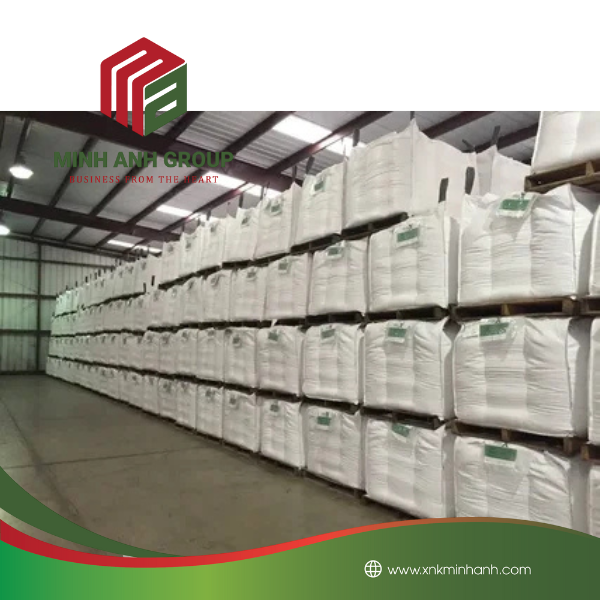
Let’s break it down. First off, these bags are lightweight yet incredibly strong. It’s like they’ve been hitting the gym while staying on a strict diet. They’re also collapsible, which means when they’re not in use, they don’t hog storage space like those bulky steel containers or wooden crates. They’re like the Marie Kondo of industrial packaging—efficient and tidy.
But wait, there’s more! FIBC bags come with options galore. Need a bag with a spout for easy filling and discharge? Done. Want one that’s UV-resistant for outdoor storage? No problem. Anti-static properties for handling flammable materials? You got it. These bags are basically the Swiss Army knives of bulk material handling.
A Day in the Life of an FIBC Bag
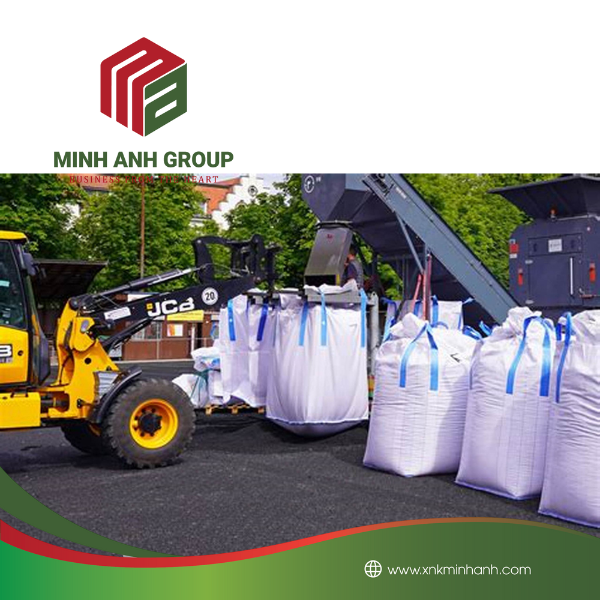
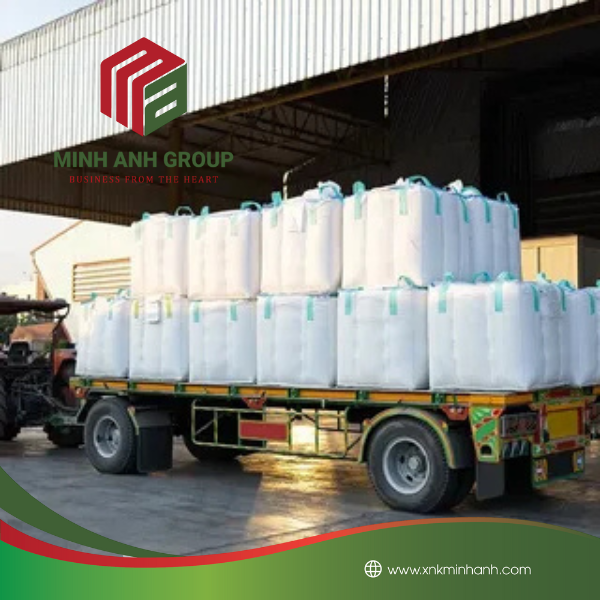
Picture this: An FIBC bag is filled to the brim with powdered chemicals at a manufacturing facility. It’s hoisted by a forklift (because let’s face it, no human wants to lift two tons of powder) and loaded onto a truck. It travels hundreds of miles, enduring bumps, potholes, and questionable driving skills, only to arrive at its destination looking as fresh as ever. The contents are then emptied through its nifty discharge spout, and the bag is folded up neatly for reuse. All in a day’s work.
And does the FIBC bag complain? No. It just sits there quietly, ready for its next mission. If that’s not dedication, I don’t know what is.
The Environmental Angle
Now, let’s address the elephant in the room: sustainability. In an era where everyone is trying to save the planet (or at least look like they are), FIBC bags are surprisingly eco-friendly. Many of them are reusable and recyclable, which means they don’t end up clogging landfills like single-use plastics. Plus, their lightweight nature reduces transportation emissions compared to heavier alternatives. So yes, they’re not just practical—they’re environmentally conscious too. Move over, paper straws; there’s a new hero in town.
The Unsung Hero Status
Despite their many virtues, FIBC bags rarely get the spotlight. They’re overshadowed by flashier logistics innovations like drones or automated warehouses. But let’s be honest: Can a drone carry 1,000 kilograms of cement? Didn’t think so.
It’s high time we gave these bags their due respect. They may not be glamorous, but they’re indispensable. Without them, industries ranging from agriculture to construction would be in chaos. Imagine trying to ship 10 tons of gravel in cardboard boxes—disaster.
In Conclusion
FIBC bags may not have Instagram accounts or viral TikTok dances (yet), but they’re the backbone of bulk material handling. They’re strong, versatile, eco-friendly, and reliable—basically everything you’d want in a best friend or a superhero sidekick.
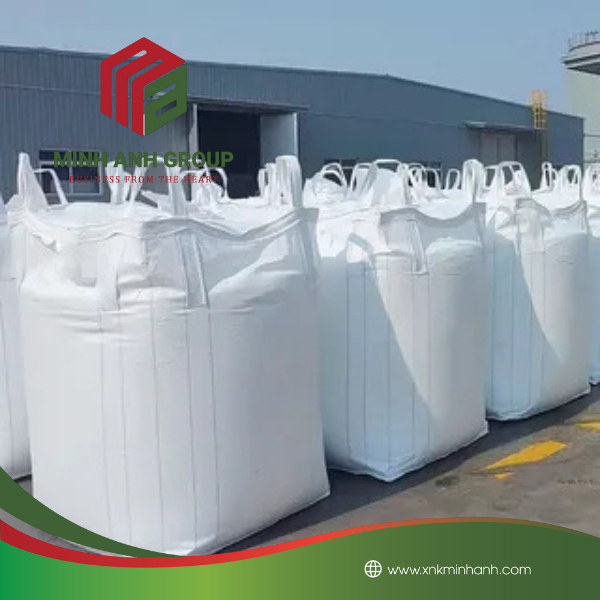
So the next time you see one of these humble giants at a construction site or warehouse, give it a nod of appreciation. It might not notice (again, it’s a bag), but you’ll know you’ve acknowledged one of the true unsung heroes of modern industry. And who knows? Maybe one day we’ll start seeing monuments erected in their honor. Until then, FIBC bags will just keep doing what they do best: carrying the weight of the world—literally and figuratively.
Hãy là người đầu tiên nhận xét “FIBC Bags: The Unsung Heroes of Bulk Material Handling”
Sản phẩm tương tự


Tin Tức Bao Bì

Tin Tức Bao Bì

Tin Tức Bao Bì


Tin Tức Bao Bì

Tin Tức Bao Bì


Đánh giá
Chưa có đánh giá nào.