
FIBC Bags Demystified: Types, Uses, and Safety Protocols
FIBC bags may not be glamorous, but they’re undeniably practical—and surprisingly fascinating when you dig into their versatility and design. Whether you’re hauling sand for a construction project or transporting enough coffee beans to fuel an entire office for a year, there’s an FIBC out there ready to rise to the occasion.
Ah, the humble FIBC bag. You might know it by one of its many aliases—bulk bag, big bag, super sack, or that giant thing that looks like it could double as a parachute in a pinch (spoiler: it can’t). If you’ve ever wondered what these oversized fabric containers are all about, you’re in the right place. Let’s unravel the mystery of FIBCs (Flexible Intermediate Bulk Containers) with a touch of wit and just enough seriousness to keep things grounded—unlike the contents of these bags.
What Exactly Is an FIBC Bag?
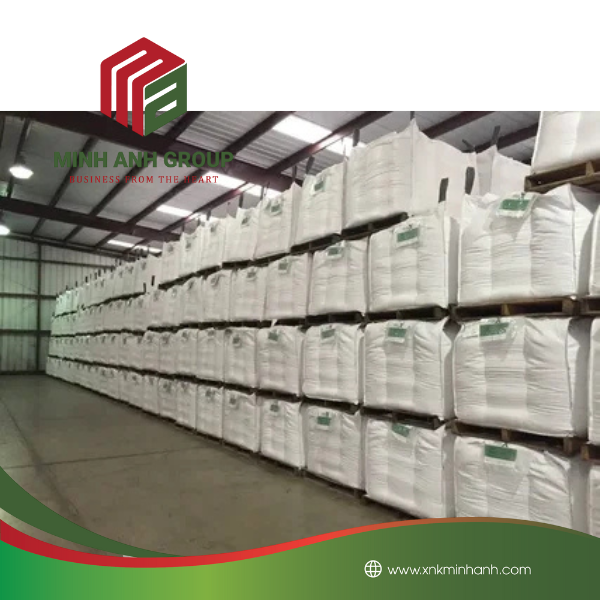
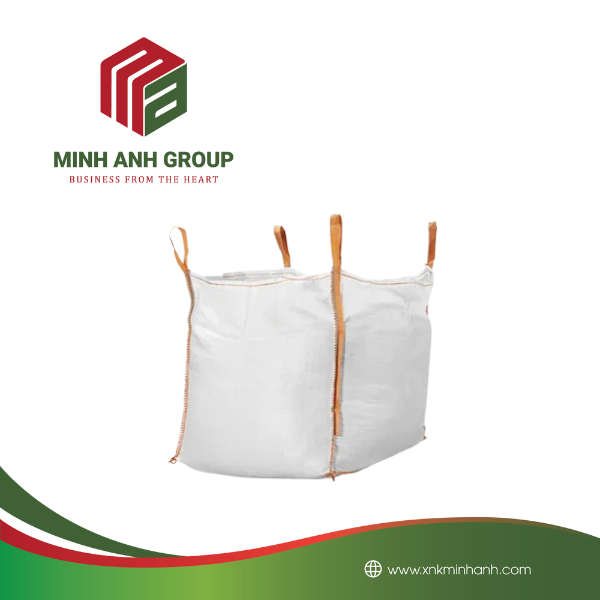
Picture this: a giant, flexible container made of woven polypropylene fabric, designed to carry bulk materials like sand, grains, chemicals, or even those fancy artisanal coffee beans you overpaid for. These bags are the unsung heroes of industries ranging from agriculture to construction. They’re lightweight yet strong, collapsible yet durable, and come in sizes that scream, “I can handle anything you throw at me.” Well, almost anything. Let’s not test them with lava or wild animals.
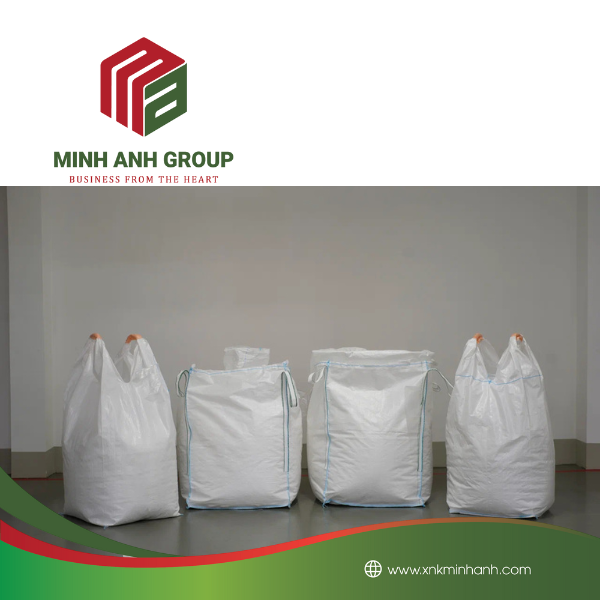
Types of FIBC Bags: A Bag for Every Occasion
Not all FIBCs are created equal. In fact, they come in a variety of types tailored to different needs. Here’s a breakdown:
1. Type A FIBC
The basic model. No frills, no special features—just a sturdy bag for non-flammable materials. Think sand, gravel, or something equally unexciting. But hey, it gets the job done.
2. Type B FIBC
Type A’s slightly more cautious cousin. While it doesn’t conduct electricity, it has a low breakdown voltage to prevent sparks. Perfect for handling dry, flammable powders without any explosive drama.
3. Type C FIBC
Also known as conductive or groundable FIBCs, these bags are the safety nerds of the family. They’re designed with conductive threads that need to be grounded during use. If you’re working with flammable materials in potentially explosive environments, Type C is your best friend—assuming you don’t forget to ground it (seriously, don’t forget).
4. Type D FIBC
The overachiever. Type D bags are anti-static and don’t require grounding. They’re like the Tesla of bulk bags—high-tech and designed for maximum safety in flammable or explosive atmospheres.
5. Food-Grade FIBC
For those who think bulk bags and food safety don’t mix—think again. These bags are manufactured in cleanroom environments with strict hygiene standards. They’re perfect for transporting sugar, flour, or any other food product that doesn’t come with its own protective shell.
6. Ventilated FIBC
Ideal for products that need to breathe (no, not your houseplants). These bags have ventilated sides to keep things like potatoes or firewood fresh and mold-free.
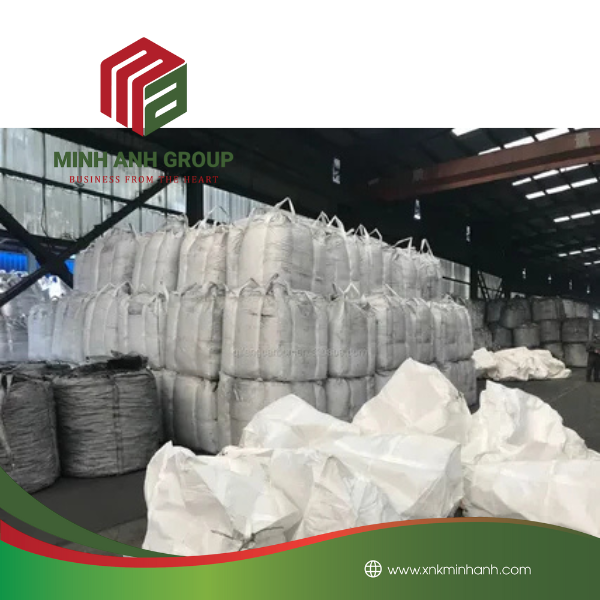
Uses: What Can You Stuff Into an FIBC?
The real question is: what *can’t* you stuff into an FIBC? These versatile bags are used across industries for a mind-boggling variety of materials:
– Agriculture: Seeds, grains, fertilizers, and animal feed.
– Construction: Sand, gravel, cement, and other heavy-duty materials.
– Chemicals: Powders, granules, and other industrial substances (cue the Breaking Bad jokes).
– Food Products: Sugar, salt, flour, and coffee beans—because even your caffeine addiction needs bulk storage.
– Recycling: Plastic pellets, scrap metal, and other eco-friendly endeavors.
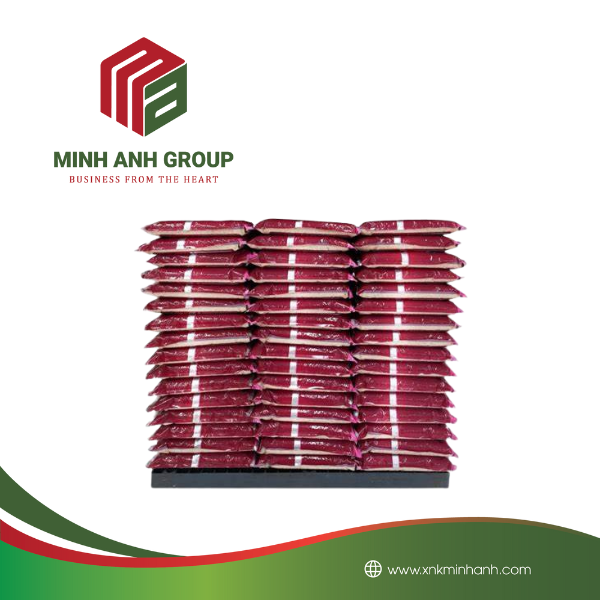
Basically, if it’s dry and needs to be transported in large quantities, there’s an FIBC bag for that.
Safety Protocols: Avoiding Bulk Bag Blunders
While FIBCs are strong and reliable, they’re not invincible. Here are some safety tips to ensure you don’t end up on the wrong side of a YouTube fail compilation:
1. Know Your Limits
Every FIBC has a Safe Working Load (SWL) and Safety Factor (SF). Translation: don’t overstuff them like you do your suitcase before a vacation. Stick to the recommended weight limits unless you enjoy cleaning up catastrophic spills.
2. Lift Responsibly
Those handy lifting loops? They’re not just decorative. Use all of them when lifting the bag with a forklift or crane. And no, you can’t lift it by hugging it like a giant teddy bear—tempting as that may be.
3. Ground It (When Necessary)
If you’re using Type C bags, grounding is non-negotiable. Static electricity might sound harmless until you’re dealing with a sudden explosion that leaves everyone questioning your life choices.
4. Store Smartly
Keep your FIBCs in a cool, dry place away from direct sunlight. Prolonged exposure to UV rays can weaken the fabric, turning your super sack into a super flop.
5. Inspect Before Use
Check for tears, loose stitching, or any signs of wear and tear before filling your bag. Remember: prevention is better than sweeping up 1,000 pounds of spilled material.
6. Don’t Reuse Recklessly
While some FIBCs are designed for multiple uses (known as reusable or multi-trip bags), others are strictly one-and-done. Make sure you know which type you’re dealing with before attempting to repurpose it as a DIY hammock.
The Bottom Line
FIBC bags may not be glamorous, but they’re undeniably practical—and surprisingly fascinating when you dig into their versatility and design. Whether you’re hauling sand for a construction project or transporting enough coffee beans to fuel an entire office for a year, there’s an FIBC out there ready to rise to the occasion.
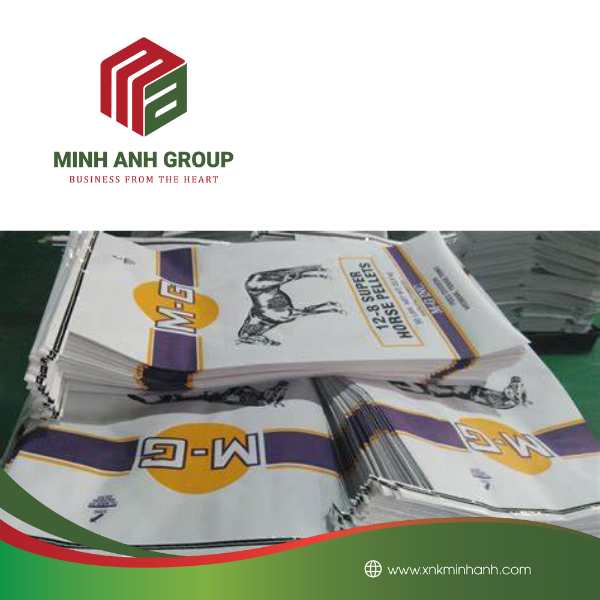
So next time you see one of these giant bags in action, give it a little nod of appreciation. After all, it’s doing the heavy lifting—literally—so you don’t have to.
Hãy là người đầu tiên nhận xét “FIBC Bags Demystified: Types, Uses, and Safety Protocols”
Sản phẩm tương tự

Tin Tức Bao Bì

Tin Tức Bao Bì


Tin Tức Bao Bì


Tin Tức Bao Bì

Tin Tức Bao Bì


Đánh giá
Chưa có đánh giá nào.