

FIBC Bags: Effective Environmental Protection Solution
FIBC Bags offer a sustainable packaging solution by reducing plastic waste, being reusable and recyclable, and saving resources and energy. Their applications span various industries, from agriculture and construction to chemicals and pharmaceuticals, highlighting their environmental benefits and efficiency.
FIBC Bags, also known as big bags, jumbo bags, are a type of bulk container (Flexible Intermediate Bulk Container) widely used in industries today. With large, durable and safe storage capacity, FIBC Bags have become the top choice for many businesses in transporting and storing products.
Why are they important? They not only help save costs and increase transportation efficiency but also make an important contribution to protecting the environment. Using FIBC Bags to replace traditional packaging can reduce the amount of plastic waste, save resources and contribute to sustainable development.
Benefits in environmental protection
FIBC Bags bring many significant benefits in protecting the environment. These benefits help reduce negative impacts on our planet, while promoting sustainable development.
Minimize plastic waste
- Multiple uses: They are designed to be used multiple times, reducing the need for single-use plastic packaging.
- Extend product life: With load-bearing capacity and durability, they can be used for a long time without needing to be replaced frequently, helping to reduce the amount of plastic waste generated.
Reuse and recycle
- Easy to reuse: Once they have completed their original task, they can be cleaned and reused for other purposes, from storing other products to home applications.
- High recyclability: When no longer in use, they can be recycled into new products, helping to reduce the amount of waste going to landfills and contributing to resource recycling.
Save resources and energy
- Light and durable material: FIBC Bags are often made from polypropylene, a lightweight and durable plastic that is easy to produce and transport. This helps reduce energy consumption during production and transportation.
- Reduce carbon emissions: With large storage capacity, FIBC Bags help reduce the number of transportation trips needed, thereby reducing fuel consumption and carbon emissions into the environment.
Environmentally friendly structure and features
FIBC Bags are designed with many features and environmentally friendly materials, making a significant contribution to protecting our planet.
Environmentally friendly material
- Recycled polypropylene: They are primarily made from polypropylene, a recyclable plastic that is not harmful to the environment. This material is durable, has good bearing capacity and is safe for human health.
- Low-resource production: The polypropylene production process is less energy and resource intensive than many other plastics, minimizing negative impacts on the environment.
Resource-saving design
- Large storage capacity: FIBC Bags have an optimal design to hold large volumes of goods, helping to reduce the number of bags needed and optimize storage space.
- Minimize transportation: With large storage capacity, the number of times goods are transported can be reduced, thereby reducing fuel consumption and carbon emissions into the environment.
Biodegradable and recyclable
- Biodegradable: Some types of FIBC Bags are made from biodegradable materials, helping to reduce waste remaining in the natural environment.
- Easy recycling: They can be recycled into new products, thereby continuing their life cycle without creating additional waste. This recycling process saves resources and energy, contributing to a circular economy.
Safe for human and animal health
- Does not contain toxic substances: Polypropylene material does not contain toxic chemicals, is safe for users and does not harm animals.
- Protects the product inside: FIBC Bags protect the goods inside well from environmental factors such as moisture, light and bacteria, helping to maintain product quality and minimize loss.
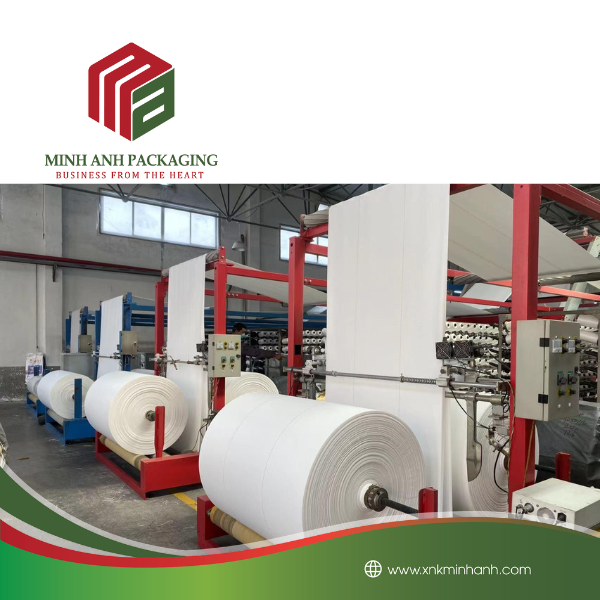
Applications of FIBC Bags in various industries
FIBC Bags are widely used in many industries thanks to their flexibility, durability and environmental friendliness. Below are some typical industries using them:
Agricultural industry
- Storage of seeds and fertilizers: FIBC Bags are used to store and transport agricultural products such as seeds, fertilizers, and animal feed. These bags protect the product well from environmental factors and are easy to load, unload and transport.
- Preserving agricultural products: They help preserve agricultural products such as rice, corn, beans and other seeds during harvesting and storage, ensuring product quality.
Construction industry
- Containing construction materials: In the construction industry, FIBC Bags are the ideal choice for containing materials such as sand, stone, cement and mortar. Heavy-duty and durable bags make it easy to transport and store heavy materials.
- Minimize construction waste: Using them helps reduce waste and dust during the transportation and storage of materials, contributing to protecting the construction environment.
Chemical and pharmaceutical industry
- Chemical storage: FIBC Bags are used to store and transport powdered and granular chemicals, ensuring safety and preventing leakage. These bags are often specially designed to withstand different types of chemicals.
- Pharmaceutical preservation: In the pharmaceutical industry, they help preserve raw materials and final products, ensuring quality and hygiene.
Food and beverage industry
- Contains food ingredients: FIBC Bags are used to contain food ingredients such as sugar, flour, rice, and spices. They help preserve well, avoid contamination and are easy to transport.
- Beverage preservation: In the beverage manufacturing industry, these bags help contain necessary ingredients in the production process, ensuring quality and food safety and hygiene.
Compare FIBC Bags with other types of packaging
Compared to traditional packaging, FIBC Bags offer many outstanding advantages, especially in protecting the environment and optimizing production and transportation processes. Here are specific comparison points:
Compare with traditional plastic bags
- Reusability: FIBC Bags can be reused many times, while traditional plastic bags are often only used once and then discarded, leading to a large amount of plastic waste.
- Durability and load capacity: These bags have much greater durability and load capacity than traditional plastic bags. This helps minimize the number of bags needed to hold the same amount of goods, saving costs and resources.
- Environmental impact: The production and disposal of traditional plastic bags causes many environmental problems, from soil and water pollution to greenhouse gas emissions. In contrast, FIBC Bags, with their ability to be reused and recycled, significantly reduce these impacts.
Compare with paper packaging
- Water resistance and durability: They are not affected by water and are more durable than paper packaging, which is easily torn and damaged when wet.
- Large load: FIBC Bags can hold large volumes of goods without damage, while paper packaging is usually only suitable for light and small products.
- Recyclability: Although paper packaging is recyclable, the paper recycling process consumes a lot of water and energy. FIBC Bags, made from polypropylene, can be recycled more efficiently, reducing resource consumption.

Hãy là người đầu tiên nhận xét “FIBC Bags: Effective Environmental Protection Solution”
Sản phẩm tương tự

Tin Tức Bao Bì

Tin Tức Bao Bì

Tin Tức Bao Bì


Tin Tức Bao Bì
Food Cling Film: Outstanding Advantages in Food Preservation


Tin Tức Bao Bì


Đánh giá
Chưa có đánh giá nào.