
BOPP laminated Kraft paper is a widely used packaging paper in many fields thanks to its high durability and water resistance. BOPP is an abbreviation for “Biaxially Oriented Polypropylene”, a special lightweight plastic with good strength and elasticity. When BOPP is suspended, Kraft paper becomes stiffer, and can ensure many other environmental conditions while maintaining quality.

In daily life, BOPP Laminated Kraft Paper is often used as packaging for products such as food, construction materials, and many other products. With the ability to print easily and create eye-catching packaging colors, this type of paper not only protects products but also helps enhance brand value for businesses.
Raw materials for the production of BOPP Laminated Kraft Paper
The main raw materials for the production of BOPP Laminated Kraft Paper include Kraft paper and BOPP film, each of which has its own unique properties that contribute to the quality of the final product.
1. Kraft Paper
- Origin: Kraft paper is produced from wood pulp, usually from long-fiber trees such as pine or bamboo, creating a paper with a characteristic brown color.
- Characteristics: Kraft paper has high durability, good bearing capacity, and especially tear resistance. This makes it an ideal choice for packaging and protecting products during transportation.
- Role in production: In the production of BOPP Laminated Kraft Paper, Kraft paper acts as a base layer, providing the basic strength and structure of the product. It helps to create a product with better bearing capacity and protection.
2. BOPP (Biaxially Oriented Polypropylene) Film
- Origin: BOPP is a plastic film made from polypropylene, a common polymer. This film is stretched in both horizontal and vertical directions to increase durability and elasticity.
- Characteristics: BOPP film has a glossy, smooth surface, helping to improve aesthetics and protect products from environmental factors such as water, grease, and dirt. It also has good heat resistance, does not shrink or deform when exposed to high temperatures.
- Role in production: During the production process, BOPP film is laminated onto the surface of Kraft paper to create a durable protective layer, helping the product to be waterproof and maintain durability in harsh environmental conditions.
3. Glue
- Characteristics: Glue is an important component in the lamination process, helping to firmly bond the BOPP film to Kraft paper. The selected glue must have good adhesion and not affect the quality of the product.
- Role in production: Glue ensures a tight connection between BOPP film and Kraft paper, thereby creating BOPP Laminated Kraft Paper products with high durability and no separation during use.
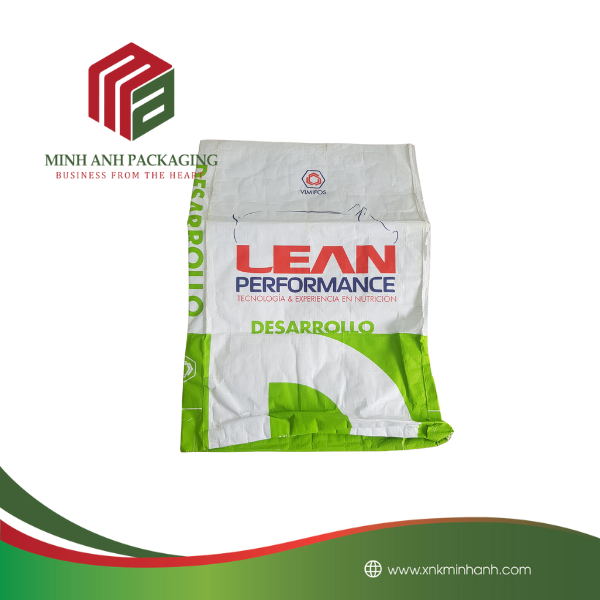
BOPP Laminated Kraft Paper Production Process
BOPP Laminated Kraft Paper production process includes many important steps, from raw material preparation to final product quality inspection. Each step plays an important role in ensuring the product meets high quality standards.
1. Raw material preparation
- Kraft paper inspection: Before being put into production, Kraft paper needs to be carefully inspected for thickness, strength, and surface properties. The paper needs to meet quality standards to ensure stability during the lamination process.
- BOPP film inspection: BOPP film also needs to be inspected for thickness, tensile strength, and gloss. This ensures that the film can adhere firmly to the Kraft paper without problems such as peeling or wrinkling
- Adhesive preparation: The selected adhesive must be suitable for the type of paper and film used. The glue must have good adhesion, not affect the properties of the product and be easy to apply under specific temperature and humidity conditions.
2. Lamination of BOPP film on Kraft paper
- Coating glue on Kraft paper: The first step in the lamination process is to apply a thin and uniform layer of glue to the surface of Kraft paper. The glue is applied through specialized equipment to ensure uniformity and avoid wasting raw materials.
- Lamination of BOPP film: After the glue is applied to the Kraft paper, the BOPP film is pressed tightly onto the paper surface through the laminating machine system. The laminating machine will adjust the temperature and pressure to ensure that the BOPP film adheres firmly to the paper without creating any defects such as air bubbles or wrinkles.
3. Gluing and surface treatment
- Enhancing adhesion: After lamination, some products may need further treatment to enhance adhesion or to create special effects. This may include adding an additional layer of adhesive or using other surface treatments to improve the durability and functionality of the product.
- Aesthetic treatment: In addition to enhancing adhesion, this process may also include printing or creating special aesthetic effects on the product surface to meet customer design requirements.
4. Product quality testing
- Testing durability and adhesion: After completing the production process, the product needs to be tested for the durability of the BOPP film and the adhesion to the Kraft paper. Product samples will be tested under different conditions to ensure that they do not delaminate or deteriorate.
- Waterproofing test: The product’s resistance to water and grease is also an important factor to test. The product needs to meet certain waterproofing standards to ensure quality during actual use.
5. Cutting and packaging of products
- Cutting to required size: After quality inspection, the products are cut into sizes and shapes as required by the customer. The cutting process must be precise and ensure that there are no defects such as frayed or torn paper edges.
- Packaging and storage: Finally, the products are carefully packaged to avoid damage during transportation and storage. The products need to be stored in suitable conditions to maintain their quality until they reach the customer.


Hãy là người đầu tiên nhận xét “BOPP Laminated Kraft Paper Production Process”
Sản phẩm tương tự

Tin Tức Bao Bì

Tin Tức Bao Bì

Tin Tức Bao Bì

Tin Tức Bao Bì


Tin Tức Bao Bì


Tin Tức Bao Bì
Food Cling Film: Outstanding Advantages in Food Preservation


Đánh giá
Chưa có đánh giá nào.