
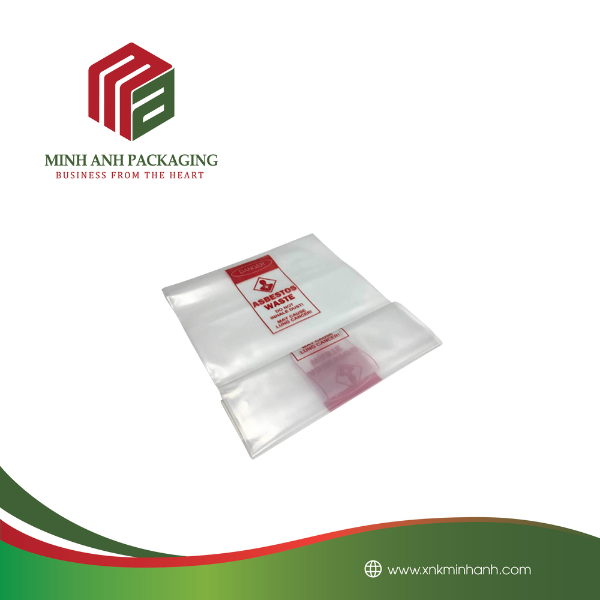
Biohazardous Waste Bag: Safe Solution for Health and Environment
Biohazardous waste bags are essential tools for safely containing and disposing of hazardous waste, protecting human health and the environment. Proper use of these bags helps prevent the spread of pathogens, minimize pollution, and comply with legal regulations for hazardous waste management.
Hazardous waste bags are a specialized type of bag used to contain waste that can be dangerous to humans and the environment. These bags are commonly used in medical facilities, laboratories, and chemical processing industries. Hazardous waste bags help prevent the spread of infectious diseases and protect the environment from toxic agents.
The use of hazardous waste bags plays an important role in ensuring public health safety. They are designed to contain hazardous waste such as used needles, contaminated cotton swabs and chemical waste. Thanks to these bags, the treatment and disposal of hazardous waste becomes safer and more effective, preventing the risk of exposure to toxic substances and protecting the health of healthcare workers and the community.
Characteristics of hazardous waste bags
Hazardous waste bags are designed with many outstanding features to ensure safety and efficiency in containing and handling hazardous waste. Below are the main characteristics of hazardous waste bags:
Durable and leak-proof material
- Materials: Usually made from polyethylene or polypropylene plastic.
- Durability: The material is highly durable, not easily torn or punctured.
- Anti-leakage ability: Ensures waste does not escape during transportation and processing.
Easily identifiable colors and warning symbols
- Color: Usually red or yellow for easy distinction.
- Symbols: Pre-printed international danger warning symbols such as biohazard symbols.
- Identification: Helps employees and handlers recognize the dangerous level of waste inside.
Size and capacity
- Diverse sizes: There are many different sizes to suit your needs.
- Containment capacity: Ensures safe storage of large amounts of waste without tearing or spilling.
Thickness and waterproofing
- Thickness: Designed with appropriate thickness to ensure waterproofness and other liquids.
- Waterproofing: Prevents the risk of hazardous waste leaking out.
- Environmental protection: Helps protect the surrounding environment and minimize exposure to toxic substances.
Zipper closures and other security features
- Zipper: Some bags are equipped with secure zippers.
- Opening and closing mechanism: There are safe opening and closing mechanisms to prevent unintended opening of the bag.
- Security: Ensures maximum safety for employees and the environment during transportation and handling.
Benefits of using hazardous waste bags
Using hazardous waste bags brings many important benefits, ensuring safety for human health and protecting the environment. Here are the main benefits:
Protect human health
- Minimize the risk of exposure: Hazardous waste bags help prevent direct contact with toxic substances and pathogens, protecting healthcare workers, waste workers and the community.
- Labor safety: Ensure a safe working environment for employees handling hazardous waste, minimizing the risk of accidents and disease transmission.
Reduces the risk of infection and contamination
- Prevent the spread of infectious diseases: Using hazardous waste bags helps prevent the spread of pathogens from medical and biological waste.
- Environmental protection: Hazardous waste bags help limit soil, water and air pollution caused by toxic waste.
Comply with legal regulations
- Meet legal requirements: Using hazardous waste bags helps organizations and businesses comply with legal regulations and standards on hazardous waste treatment.
- Avoid legal consequences: Compliance helps avoid legal penalties and fines for violating hazardous waste management regulations.
Enhance the image and reputation of the organization
- Social responsibility: Using hazardous waste bags demonstrates the organization’s responsibility to society and the environment, enhancing reputation and image in the eyes of the public.
- Customer trust: Businesses that comply with regulations on environmental protection and human health will receive trust and support from customers.
Hazardous waste bags are not only a measure to protect health and the environment, but are also an important factor in complying with the law and enhancing an organization’s reputation. Proper use and regular inspection and maintenance of these bags will help ensure safety and efficiency in hazardous waste treatment.

Instructions for use and hazardous waste treatment procedures
To ensure safe and effective disposal of hazardous waste, the following instructions for use and disposal procedures should be followed:
How to classify and package waste
- Waste classification: Hazardous waste needs to be classified accurately at the source, including medical, biological and chemical waste.
- Waste packaging: Waste must be carefully packaged in specialized bags, ensuring the bags are sealed and clearly labeled with necessary warning symbols.
Collection and transportation process
- Collection: Hazardous waste should be collected by professionally trained staff, using full personal protective equipment.
- Transportation: Waste must be transported by specialized means, ensuring safety and not causing leakage during transportation. These vehicles need a license and comply with regulations on transporting hazardous waste.
Treatment and destruction of hazardous waste
- Safe disposal: Hazardous waste needs to be handled by safe methods such as high-temperature combustion, chemical treatment or safe burial. These methods must ensure complete destruction of pathogens and toxic chemicals.
- Destruction: The waste destruction process needs to comply with legal regulations and ensure no harm to the environment. Hazardous waste treatment units need the necessary certifications and licenses.

Hãy là người đầu tiên nhận xét “Biohazardous Waste Bag: Safe Solution for Health and Environment”
Sản phẩm tương tự

Tin Tức Bao Bì

Tin Tức Bao Bì

Tin Tức Bao Bì

Tin Tức Bao Bì

Tin Tức Bao Bì


Tin Tức Bao Bì

Tin Tức Bao Bì


Đánh giá
Chưa có đánh giá nào.