
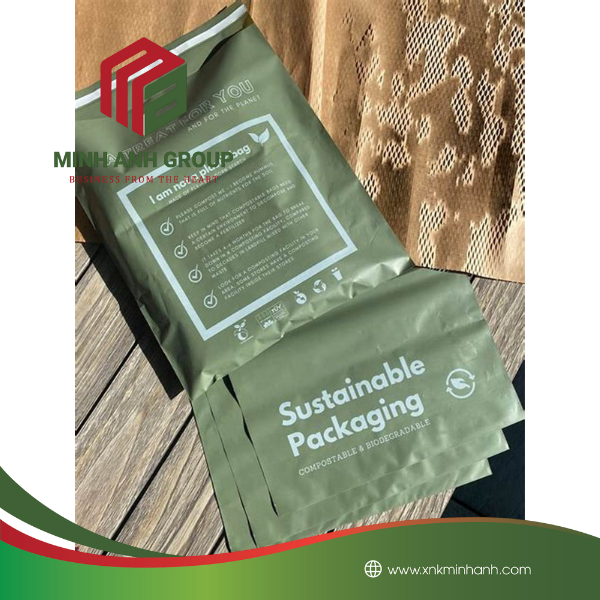
Innovations in Biodegradable Mailers: What’s Next for Green Packaging?

Collaboration Across Sectors: Addressing the challenges of biodegradable mailers will require collaboration between manufacturers, governments, and waste management organizations. Joint efforts can help establish standardized guidelines, improve composting infrastructure, and promote consumer education.
In an era where the environmental impact of packaging waste has become a critical concern, businesses and consumers alike are seeking sustainable solutions to reduce their carbon footprint. One of the most promising advancements in this space is the development of biodegradable mailers. These eco-friendly alternatives to traditional plastic packaging have gained significant traction in recent years, but the question remains: what’s next for green packaging, and how can biodegradable mailers continue to evolve?
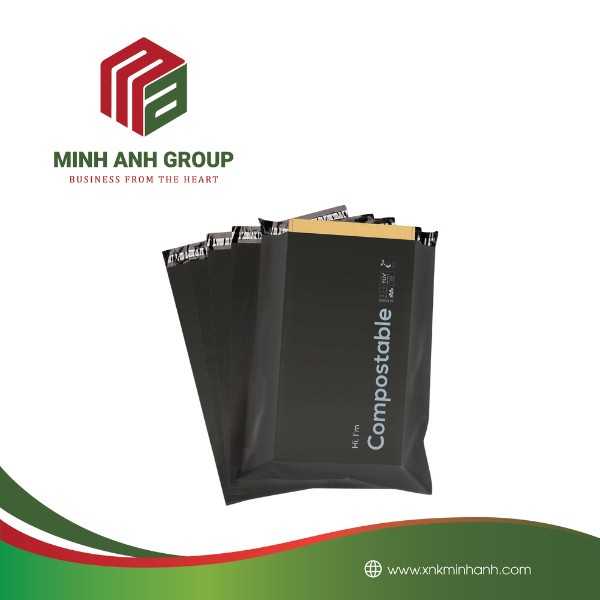
The Rise of Biodegradable Mailers
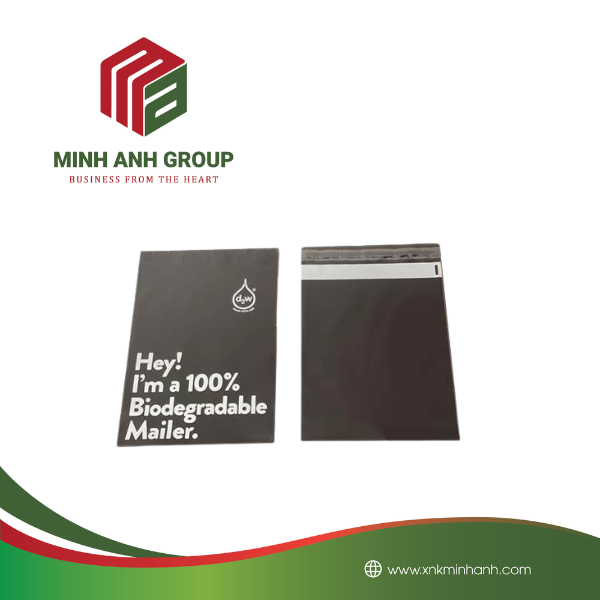
Biodegradable mailers are designed to break down naturally in the environment, leaving behind no toxic residue. Unlike conventional plastic mailers that can take hundreds of years to decompose, biodegradable options typically degrade within a few months to a few years, depending on their composition and environmental conditions. Made from materials such as plant-based polymers, cornstarch, or polylactic acid (PLA), these mailers offer a sustainable alternative that aligns with the growing demand for environmentally responsible packaging.
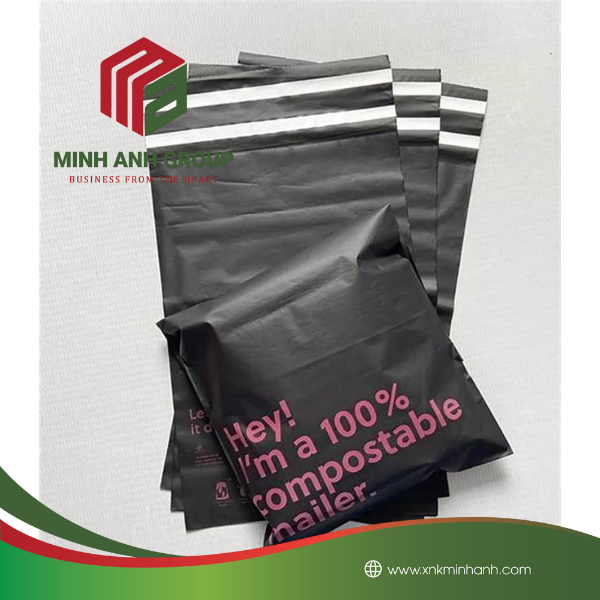
The adoption of biodegradable mailers has been driven by several factors:
1. Consumer Awareness: With heightened awareness of plastic pollution and its detrimental effects on ecosystems, consumers are prioritizing brands that demonstrate a commitment to sustainability.
2. Corporate Responsibility: Many companies are adopting eco-friendly practices as part of their corporate social responsibility (CSR) initiatives, recognizing the importance of sustainable packaging in building trust and loyalty among environmentally conscious customers.
3. Regulatory Pressure: Governments worldwide are introducing stricter regulations on single-use plastics, incentivizing businesses to transition to biodegradable or compostable alternatives.
Current Innovations in Biodegradable Mailers
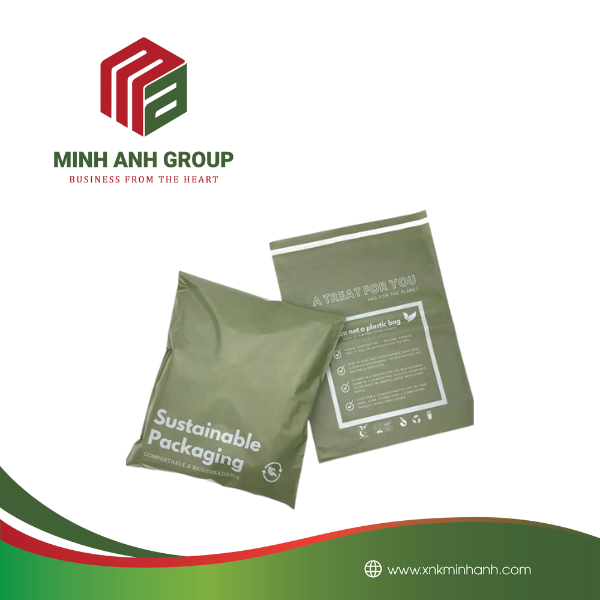
The market for biodegradable mailers has already seen significant innovation, with companies investing in research and development to improve functionality, durability, and environmental impact. Some notable advancements include:
– Enhanced Material Strength: Early versions of biodegradable mailers often faced criticism for being less durable than traditional plastic. Recent innovations have addressed this issue by incorporating advanced biopolymers that provide comparable strength and flexibility while remaining eco-friendly.
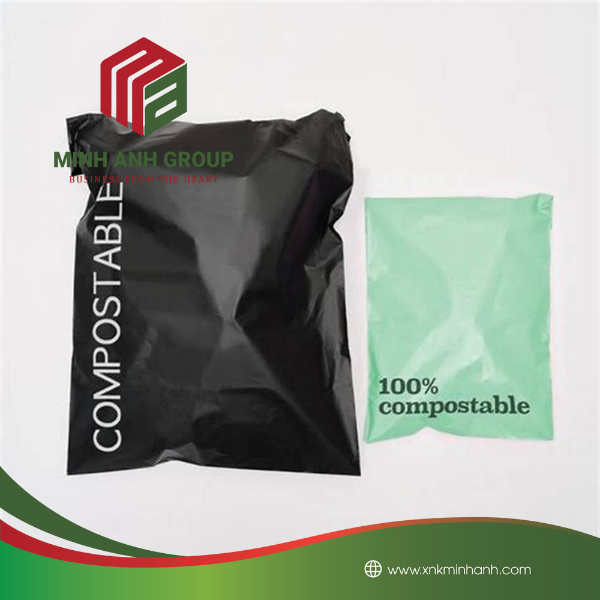
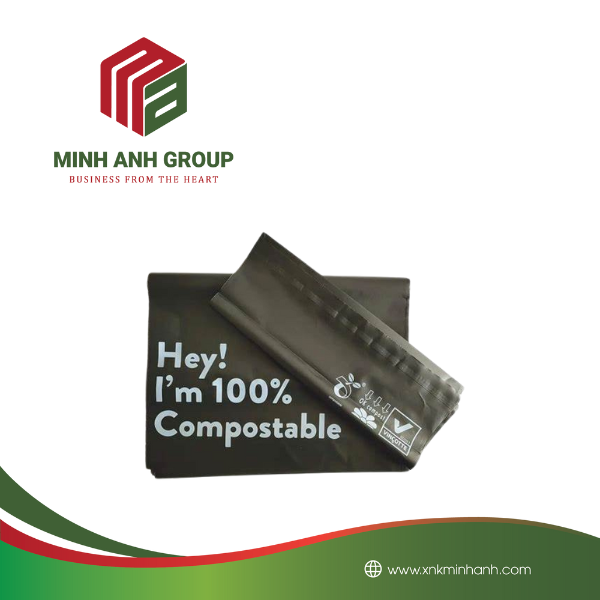
– Compostable Options: Many biodegradable mailers are now certified as compostable, meaning they can break down entirely in industrial or home composting systems. This ensures that the materials return to the earth as nutrient-rich organic matter rather than contributing to landfill waste.
– Water-Resistant Coatings: To address concerns about moisture sensitivity, some manufacturers have developed water-resistant coatings made from natural substances like wax or plant-based resins. These coatings ensure that biodegradable mailers can withstand varying weather conditions without compromising their eco-friendly properties.
– Customizable Designs: Brands are increasingly seeking customizable biodegradable mailers that reflect their identity and values. From vibrant colors to eco-conscious branding messages, these mailers offer a way for businesses to communicate their sustainability efforts directly to customers.
Challenges Facing Biodegradable Mailers
Despite their advantages, biodegradable mailers face several challenges that must be addressed to ensure widespread adoption and effectiveness:
1. Cost: Biodegradable materials often come at a higher price point than traditional plastics, which can be a barrier for small businesses or companies operating on tight budgets.
2. Infrastructure Gaps: While many biodegradable mailers are compostable, not all consumers have access to composting facilities. Without proper disposal methods, these mailers may end up in landfills, where decomposition is significantly slower due to limited oxygen and microbial activity.
3. Misleading Claims: The term “biodegradable” is sometimes used loosely, leading to confusion among consumers. Clear labeling and certification standards are essential to ensure transparency and prevent greenwashing.
4. Performance Trade-offs: Striking the right balance between sustainability and functionality remains a challenge. Biodegradable materials must meet the same performance standards as traditional plastics in terms of durability, weather resistance, and protection during transit.
The Future of Green Packaging
As the demand for sustainable packaging continues to grow, the future of biodegradable mailers will likely be shaped by ongoing innovation and collaboration across industries. Here are some key trends and developments to watch:
– Bio-Based Material Advancements: Researchers are exploring new bio-based materials derived from agricultural byproducts, algae, or even fungi. These materials have the potential to reduce reliance on fossil fuels while offering improved biodegradability and performance characteristics.
– Closed-Loop Systems: Companies are increasingly adopting circular economy models, where packaging materials are designed to be reused or recycled at the end of their lifecycle. Biodegradable mailers could play a role in such systems by serving as compostable inputs for agricultural or industrial applications.
– Smart Packaging Solutions: The integration of technology into green packaging is another area of interest. For example, QR codes on biodegradable mailers could provide consumers with information about proper disposal methods or the environmental benefits of using eco-friendly packaging.
– Collaboration Across Sectors: Addressing the challenges of biodegradable mailers will require collaboration between manufacturers, governments, and waste management organizations. Joint efforts can help establish standardized guidelines, improve composting infrastructure, and promote consumer education.
– Policy Support: Stronger regulatory frameworks and incentives for sustainable packaging innovation will be crucial in driving adoption. Governments can play a pivotal role by funding research initiatives, offering tax breaks for eco-friendly businesses, and implementing bans on non-biodegradable plastics.
Biodegradable mailers represent a significant step forward in the quest for sustainable packaging solutions. While challenges remain, ongoing innovation and collaboration have the potential to overcome these obstacles and pave the way for a greener future. As businesses and consumers continue to prioritize environmental responsibility, the evolution of biodegradable mailers will undoubtedly play a critical role in reducing packaging waste and mitigating the impact of plastic pollution on our planet.
The next chapter in green packaging will depend on bold ideas, technological advancements, and collective action. By embracing these opportunities, we can move closer to a world where sustainable practices are not just an option but the standard.
Hãy là người đầu tiên nhận xét “Innovations in Biodegradable Mailers: What’s Next for Green Packaging?”
Sản phẩm tương tự


Tin Tức Bao Bì

Tin Tức Bao Bì

Tin Tức Bao Bì


Tin Tức Bao Bì


Đánh giá
Chưa có đánh giá nào.