

What Are the Different Designs of FIBC Bags?
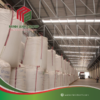
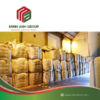
Flexible Intermediate Bulk Containers (FIBCs), commonly known as bulk bags or big bags, are a popular choice for transporting and storing a wide range of dry, flowable products. Their versatility and efficiency make them a staple in industries such as agriculture, construction, pharmaceuticals, and chemicals. One of the key factors contributing to their widespread use is the variety of designs available, each tailored to specific needs and applications. This article explores the different designs of FIBC bags, highlighting their unique features and benefits.
Flexible Intermediate Bulk Containers (FIBCs), commonly known as bulk bags or big bags, are a popular choice for transporting and storing a wide range of dry, flowable products. Their versatility and efficiency make them a staple in industries such as agriculture, construction, pharmaceuticals, and chemicals. One of the key factors contributing to their widespread use is the variety of designs available, each tailored to specific needs and applications. This article explores the different designs of FIBC bags, highlighting their unique features and benefits.
1. U-Panel FIBC Bags
U-Panel bags are among the most common types of FIBCs. They are constructed using three pieces of fabric: two side panels and a single piece that forms the bottom and two sides, creating a “U” shape. This design offers excellent stability and strength, making it suitable for transporting heavy materials. U-Panel bags are ideal for products that require a stable base during storage and handling.
2. Circular or Tubular FIBC Bags
Circular FIBCs are made from a single piece of tubular fabric, which eliminates the need for vertical seams. This seamless design enhances the bag’s strength and reduces the risk of product leakage. Circular bags are particularly effective for fine and powdered materials that require extra protection against contamination and moisture ingress. Their robust construction makes them a preferred choice for industries dealing with fine granular products.

3. Baffle FIBC Bags
Baffle bags are designed with internal baffles sewn across each corner, which helps maintain the bag’s square shape when filled. This design maximizes the use of storage space and enhances stackability, making it ideal for optimal space utilization in warehouses and transportation vehicles. Baffle bags are particularly beneficial for industries where efficient space management is crucial.
4. Four-Panel FIBC Bags
Four-panel bags consist of four separate fabric panels sewn together to form a square or rectangular shape. This design offers excellent strength and durability, making it suitable for heavy-duty applications. Four-panel bags provide a stable structure that can handle high-stress loads, making them ideal for transporting dense or abrasive materials.

5. Conical FIBC Bags
Conical bags feature a tapered bottom design that facilitates easy discharge of contents, especially for materials that are prone to sticking or bridging. The conical shape ensures a smooth flow of materials during unloading, reducing waste and enhancing operational efficiency. These bags are commonly used in industries handling sticky or cohesive products.
6. Ventilated FIBC Bags
Ventilated bags are designed with breathable fabric that allows air circulation, making them suitable for perishable goods like fruits, vegetables, and wood. The ventilation prevents moisture build-up and spoilage, ensuring the freshness and quality of the stored products. These bags are particularly valuable in agriculture where maintaining product quality is paramount.

7. Anti-Static FIBC Bags
Anti-static bags are engineered to prevent static electricity build-up, which is crucial in environments where flammable materials are handled. These bags are made with special fabrics that dissipate static charges, reducing the risk of sparks that could ignite combustible contents. Anti-static FIBCs are essential in industries dealing with volatile substances.
8. Conductive FIBC Bags
Conductive bags, also known as Type C bags, are designed with conductive threads woven into the fabric to safely dissipate static electricity when grounded. This design is critical for safely transporting flammable powders in potentially explosive environments. Conductive FIBCs provide an added layer of safety by preventing static discharge.

9. Food-Grade FIBC Bags
Food-grade bags are manufactured under stringent hygienic conditions to meet food safety standards. These bags are made from virgin polypropylene materials and often include features like liners to prevent contamination. Food-grade FIBCs are essential for industries where hygiene and safety are top priorities, such as food processing and pharmaceuticals.

The diverse designs of FIBC bags cater to a wide range of industrial needs, ensuring safe, efficient, and cost-effective storage and transportation solutions. Selecting the appropriate FIBC design depends on the specific requirements of the material being handled, including weight, flow characteristics, sensitivity to contamination, and environmental conditions. By understanding these different designs, businesses can optimize their operations, enhance safety, and improve overall productivity in material handling processes.
Hãy là người đầu tiên nhận xét “What Are the Different Designs of FIBC Bags?”
Sản phẩm tương tự

Tin Tức Bao Bì

Tin Tức Bao Bì

Tin Tức Bao Bì

Tin Tức Bao Bì


Tin Tức Bao Bì
Food Cling Film: Outstanding Advantages in Food Preservation

Tin Tức Bao Bì

Tin Tức Bao Bì

Tin Tức Bao Bì


Đánh giá
Chưa có đánh giá nào.