

What Are the Key Considerations When Selecting FIBC Bags?
Flexible Intermediate Bulk Containers (FIBCs), commonly referred to as bulk bags, are widely used across industries for the storage and transportation of dry, flowable products such as grains, chemicals, and building materials. Choosing the right FIBC bag is critical to ensuring product safety, operational efficiency, and compliance with industry standards. Below are some of the key factors to consider when selecting FIBC bags for your specific needs.
Flexible Intermediate Bulk Containers (FIBCs), commonly referred to as bulk bags, are widely used across industries for the storage and transportation of dry, flowable products such as grains, chemicals, and building materials. Choosing the right FIBC bag is critical to ensuring product safety, operational efficiency, and compliance with industry standards. Below are some of the key factors to consider when selecting FIBC bags for your specific needs.
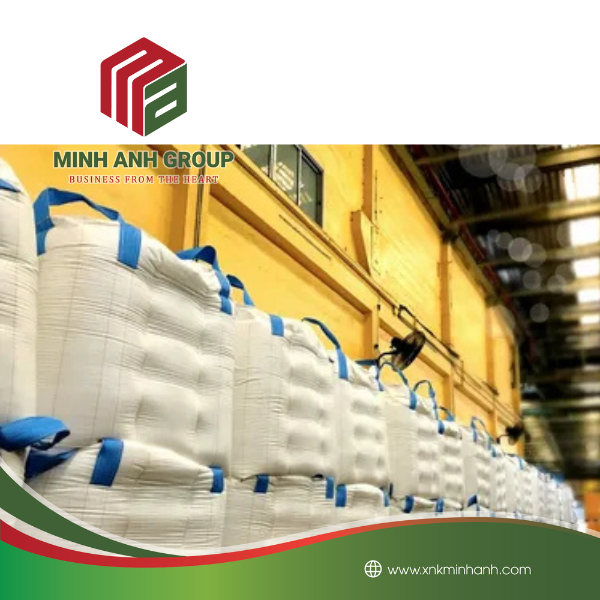
1. Material Composition
FIBCs are typically made from woven polypropylene, a durable and lightweight material. However, the specific grade and quality of the polypropylene can vary. It’s essential to select a bag made from high-quality material that can handle the weight and type of product you intend to store or transport. Additionally, the material should provide resistance to environmental factors such as UV radiation, moisture, and chemicals if these are relevant to your application.
2. Bag Design and Construction
FIBCs come in various designs to accommodate different applications. Common designs include:
– U-Panel Bags: Made with three panels of fabric, providing excellent strength and durability.
– Circular Woven Bags: Constructed from a single piece of fabric, these bags have fewer seams and are ideal for fine powders or small particles.
– Baffle Bags: Equipped with internal baffles to maintain a square shape, these bags optimize storage space and improve stability during transport.
The choice of design should align with your operational needs, including the type of product being handled and the storage or shipping conditions.

3. Load Capacity
One of the most important considerations is the bag’s Safe Working Load (SWL) and Safety Factor (SF). SWL refers to the maximum weight the bag can safely hold, while SF indicates the bag’s strength under stress (e.g., a 5:1 SF means the bag can withstand five times its SWL during testing). Ensure the FIBC you select has been tested and certified to meet your load requirements.
4. Product Compatibility
The type of product you plan to store or transport will influence your choice of FIBC. For example:
– Powders or Fine Materials: Use bags with a dust-proof liner or anti-leak stitching to prevent spillage.
– Food Products: Opt for food-grade FIBCs that comply with FDA or other relevant food safety standards.
– Hazardous Materials: For chemicals or hazardous goods, UN-certified FIBCs designed for dangerous materials are necessary.
Understanding your product’s characteristics—such as density, flowability, and sensitivity to moisture—is critical in selecting the right bag.
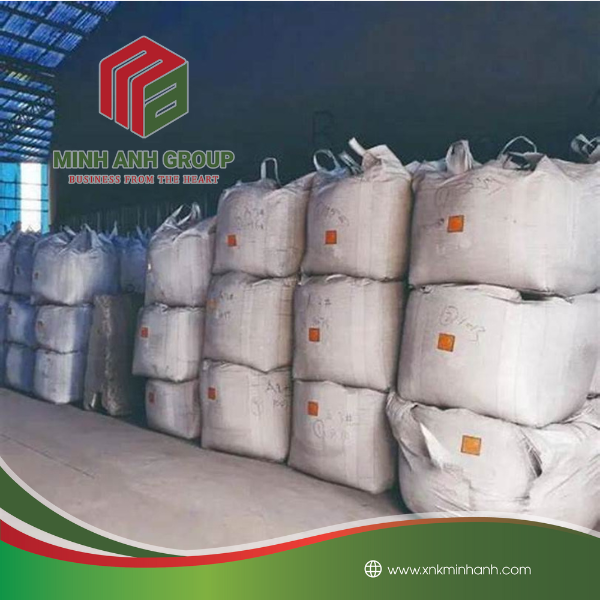
5. Liner Requirements
Some applications require FIBCs with liners to provide additional protection against moisture, contamination, or leakage. Liners can be made from materials like polyethylene or aluminum foil and may be designed as loose or form-fitted. For products sensitive to environmental conditions, choosing a bag with an appropriate liner is crucial.
6. Filling and Discharge Mechanisms
Consider how the bag will be filled and emptied during operation. FIBCs can be customized with various filling and discharge options:
– Top Options: Spout top, duffle top, or open top.
– Bottom Options: Spout bottom, flat bottom, or discharge bottom with a closure mechanism.
The choice of filling and discharge features should align with your equipment and operational workflow to minimize handling time and reduce spillage.
7. Static Protection
In environments where static electricity poses a risk—such as in the handling of flammable materials—selecting an anti-static or conductive FIBC is essential. These bags are classified into four types (A, B, C, D), each designed for specific levels of static protection:
– Type A: No static protection.
– Type B: Prevents sparks but not brush discharges.
– Type C: Conductive bags requiring grounding.
– Type D: Dissipates static without grounding.
Ensure the type of bag you choose meets the safety requirements of your operation.
8. Environmental Conditions
Environmental factors such as humidity, temperature fluctuations, and exposure to sunlight can significantly impact FIBC performance. If your bags will be stored outdoors or in harsh conditions, choose UV-treated bags or those with additional protective coatings to ensure durability.

9. Reusable vs. Single-Use
Determine whether you need single-use (Type A) or reusable (multi-trip) FIBCs. Reusable bags are more robust and designed for multiple cycles of use but require cleaning and inspection between uses to maintain safety standards.
10. Regulatory Compliance
FIBCs used in specific industries must comply with regulatory standards. For example:
– Food-grade bags should meet FDA or EU food safety regulations.
– UN-certified bags are required for transporting hazardous materials.
– Pharmaceutical-grade bags must adhere to stringent cleanliness and contamination control standards.
Verify that your supplier provides documentation certifying compliance with relevant regulations.

11. Supplier Reliability
Partnering with a reputable supplier is essential to ensure consistent quality and reliable delivery. Look for suppliers with a proven track record, industry certifications (e.g., ISO 9001), and the ability to provide customized solutions tailored to your needs.
12. Cost Considerations
While cost is always a factor in procurement decisions, it’s important not to compromise on quality or safety for the sake of savings. A poorly chosen FIBC could lead to product loss, safety hazards, or operational inefficiencies that may ultimately cost more in the long run.
Selecting the right FIBC bag involves careful consideration of multiple factors, including material composition, design, load capacity, product compatibility, and regulatory compliance. By thoroughly assessing your specific requirements and consulting with experienced suppliers, you can ensure that your choice of FIBC enhances operational efficiency while maintaining safety and product integrity.
Hãy là người đầu tiên nhận xét “What Are the Key Considerations When Selecting FIBC Bags?”
Sản phẩm tương tự


Tin Tức Bao Bì


Tin Tức Bao Bì

Tin Tức Bao Bì


Đánh giá
Chưa có đánh giá nào.