
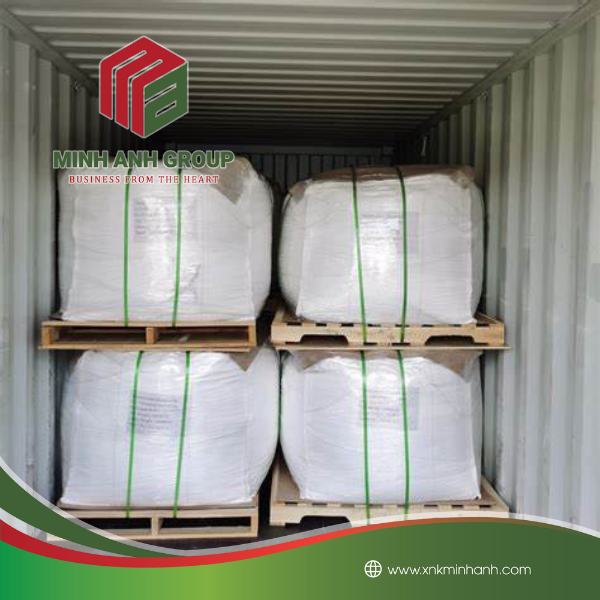
What Are the Benefits of Reusable Jumbo Bags?


One of the primary benefits of reusable jumbo bags is their cost-effectiveness. Unlike single-use packaging materials, these bags can be used multiple times, significantly reducing the need for frequent replacements. Their durability ensures that businesses save money in the long term while maintaining high standards of material handling and transportation.
Reusable jumbo bags, also known as FIBCs (Flexible Intermediate Bulk Containers), are a versatile and sustainable solution for transporting and storing bulk materials. These bags are widely used across industries such as agriculture, construction, chemicals, and food production due to their strength, efficiency, and environmental benefits. Below, we explore the key advantages of using reusable jumbo bags and why they are an excellent choice for businesses seeking cost-effective and eco-friendly packaging solutions.

1. Cost Efficiency
One of the primary benefits of reusable jumbo bags is their cost-effectiveness. Unlike single-use packaging materials, these bags can be used multiple times, significantly reducing the need for frequent replacements. Their durability ensures that businesses save money in the long term while maintaining high standards of material handling and transportation.
Additionally, reusable jumbo bags are lightweight compared to traditional bulk containers like drums or crates, which helps reduce shipping costs. Their collapsible design also minimizes storage space requirements when not in use, further contributing to cost savings.
2. Durability and Strength
Jumbo bags are designed to handle heavy loads, often ranging from 500 kg to 2,000 kg or more. Made from high-quality woven polypropylene material, they are resistant to tearing, punctures, and adverse environmental conditions such as moisture or UV exposure. This durability ensures that the contents remain safe during transportation and storage, reducing the risk of product loss or damage.
Their robust construction makes them ideal for handling a wide variety of materials, including powders, granules, and even hazardous substances. This versatility adds to their appeal in industries with demanding logistical requirements.

3. Environmental Sustainability
As businesses increasingly prioritize sustainability, reusable jumbo bags stand out as an environmentally friendly packaging option. By opting for reusable solutions, companies can significantly reduce their reliance on single-use plastics and other disposable materials. This helps lower overall waste generation and supports broader environmental conservation efforts.
Furthermore, many jumbo bags are recyclable at the end of their lifecycle. Once they reach the point where they can no longer be reused, they can be processed into new products or materials, minimizing their environmental footprint.
4. Customizability
Reusable jumbo bags can be customized to meet specific business needs. They are available in various sizes, shapes, and designs to accommodate different materials and applications. Custom features such as coated or uncoated fabric, anti-static properties, or food-grade liners can be incorporated based on the requirements of the industry.
Additionally, businesses can add logos, labels, or branding to the bags for better identification and marketing purposes. This level of customization ensures that jumbo bags provide both functional and branding value.
5. Ease of Handling
The design of jumbo bags makes them easy to handle, transport, and store. They are equipped with lifting loops that allow for efficient handling using forklifts or cranes. This eliminates the need for additional equipment and simplifies loading and unloading processes.
Moreover, their collapsible nature means they can be folded flat when empty, saving valuable storage space in warehouses or transport vehicles. This convenience improves operational efficiency and reduces logistical complexities.
6. Improved Safety
Safety is a critical consideration in industries that handle bulk materials. Jumbo bags are designed with safety in mind, offering features such as secure closures, reinforced seams, and anti-static properties to prevent accidents during handling or transportation.
For industries dealing with hazardous materials, specialized jumbo bags with UN certification are available to ensure compliance with international safety standards. This focus on safety helps protect workers and minimizes risks associated with material handling.

7. Versatility Across Industries
Reusable jumbo bags are suitable for a wide range of applications across various industries:
– Agriculture: Ideal for transporting grains, seeds, fertilizers, and animal feed.
– Construction: Used for carrying sand, gravel, cement, and other building materials.
– Chemicals: Suitable for storing and transporting powders, granules, and hazardous substances.
– Food Industry: Designed with food-grade materials for handling ingredients such as sugar, flour, or salt.
Their adaptability makes them a preferred choice for businesses looking for a single packaging solution that meets diverse needs.
8. Regulatory Compliance
Many reusable jumbo bags are designed to meet industry-specific regulatory requirements. For example, food-grade jumbo bags comply with strict hygiene standards to ensure the safe transport of consumable products. Similarly, anti-static or conductive jumbo bags meet safety regulations for handling flammable or explosive materials.

By using compliant packaging solutions, businesses can avoid penalties and ensure smooth operations within their respective industries.
Reusable jumbo bags offer a host of benefits that make them an excellent investment for businesses across various sectors. From cost savings and durability to environmental sustainability and versatility, these bags provide a practical solution for bulk material handling and storage needs. By adopting reusable jumbo bags, companies not only enhance operational efficiency but also contribute to a more sustainable future.
Hãy là người đầu tiên nhận xét “What Are the Benefits of Reusable Jumbo Bags?”
Sản phẩm tương tự

Tin Tức Bao Bì

Tin Tức Bao Bì

Tin Tức Bao Bì

Tin Tức Bao Bì

Tin Tức Bao Bì

Tin Tức Bao Bì


Tin Tức Bao Bì


Đánh giá
Chưa có đánh giá nào.