
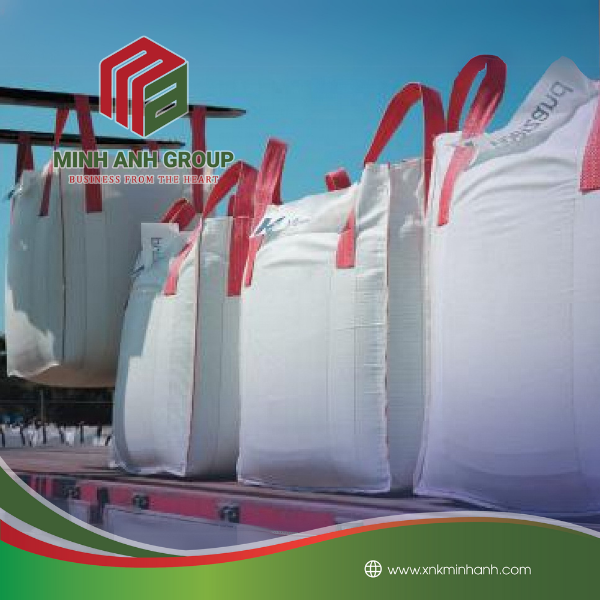
FIBC Bags: A Smart Choice for Food Products

In the ever-evolving landscape of food production and distribution, the need for efficient, safe, and reliable packaging solutions is paramount. Among the various options available, Flexible Intermediate Bulk Containers (FIBC) bags have emerged as a smart choice for handling food products. These versatile containers offer numerous advantages that cater to the specific needs of the food industry, ensuring that products are transported and stored safely and efficiently.
In the ever-evolving landscape of food production and distribution, the need for efficient, safe, and reliable packaging solutions is paramount. Among the various options available, Flexible Intermediate Bulk Containers (FIBC) bags have emerged as a smart choice for handling food products. These versatile containers offer numerous advantages that cater to the specific needs of the food industry, ensuring that products are transported and stored safely and efficiently.
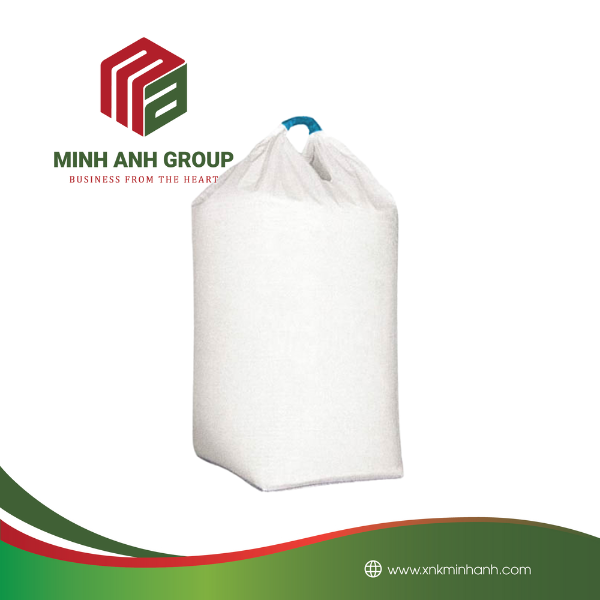
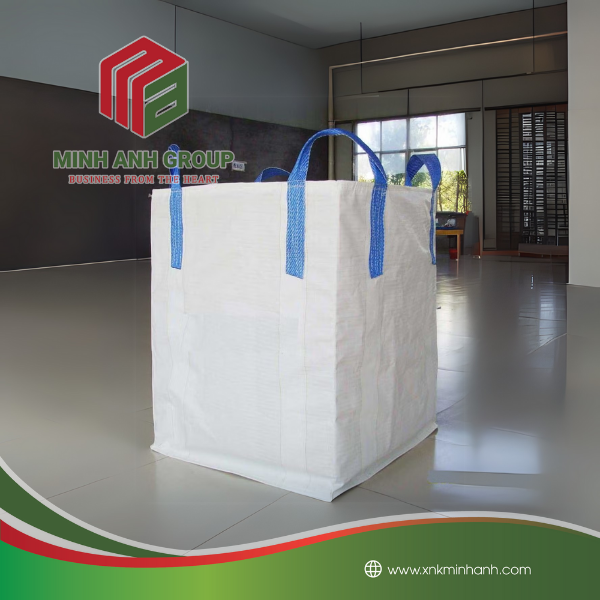
FIBC bags, also known as bulk bags or big bags, are made from woven polypropylene fabric. They are designed to carry a wide range of dry, flowable products, including grains, powders, and other food ingredients. One of the primary benefits of using FIBC bags in the food industry is their ability to maintain product integrity. The materials used in manufacturing these bags are food-grade, ensuring that they do not contaminate or alter the properties of the contents. This is crucial for maintaining the quality and safety of food products from the point of production to the end consumer.
Another significant advantage of FIBC bags is their capacity and strength. These bags can hold anywhere from 500 to 2,000 kilograms of product, making them ideal for bulk transportation. Their robust construction ensures that they can withstand the rigors of handling and transportation without tearing or breaking. This durability reduces the risk of product loss and contamination, which is essential for maintaining supply chain efficiency and minimizing costs.
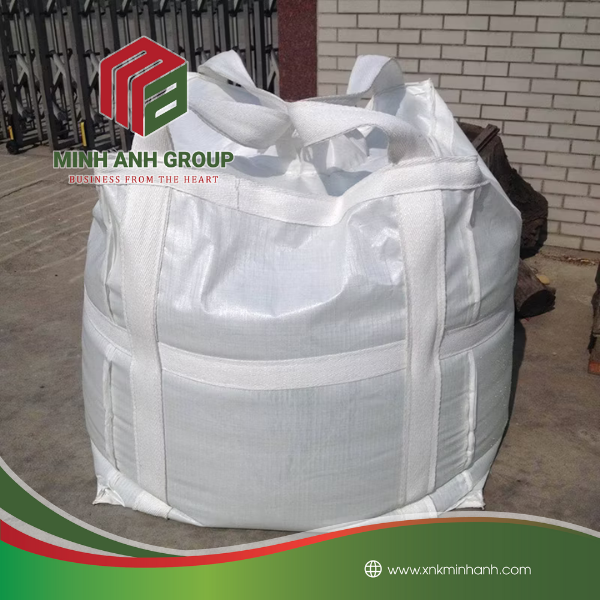
The versatility of FIBC bags is another reason they are favored in the food industry. They come in various designs, such as U-panel, circular, and baffle bags, each offering specific benefits depending on the type of product being transported. For example, baffle bags maintain a square shape even when filled, optimizing space during storage and shipping. This adaptability allows businesses to select the most suitable bag design for their particular needs, enhancing operational efficiency.
FIBC bags also contribute to sustainability efforts within the food industry. Their reusable nature means they can be employed multiple times before needing replacement, reducing waste. Additionally, many FIBC bags are recyclable, aligning with the growing emphasis on environmentally friendly practices in packaging and logistics.
The ease of handling FIBC bags further enhances their appeal. They are equipped with lifting loops that allow for simple loading and unloading using standard equipment like forklifts or cranes. This feature not only speeds up operations but also reduces the need for manual labor, thereby lowering labor costs and minimizing the risk of injury.
Moreover, FIBC bags can be customized with various features to meet specific industry requirements. Options such as liners for additional protection against moisture and contamination, anti-static properties for handling flammable products, and UV resistance for outdoor storage are available. These customizable features ensure that FIBC bags can meet even the most stringent standards in food safety and quality.
In conclusion, FIBC bags represent a smart choice for the food industry due to their ability to maintain product integrity, accommodate large volumes, offer versatility in design, support sustainability efforts, and provide ease of handling. As the demand for efficient and safe food packaging solutions continues to rise, FIBC bags stand out as a reliable option that meets the diverse needs of food producers and distributors worldwide. Businesses looking to enhance their packaging strategies would do well to consider integrating FIBC bags into their operations, reaping the benefits of this innovative solution.
Hãy là người đầu tiên nhận xét “FIBC Bags: A Smart Choice for Food Products”
Sản phẩm tương tự

Tin Tức Bao Bì

Tin Tức Bao Bì


Tin Tức Bao Bì


Tin Tức Bao Bì

Tin Tức Bao Bì

Tin Tức Bao Bì


Đánh giá
Chưa có đánh giá nào.