
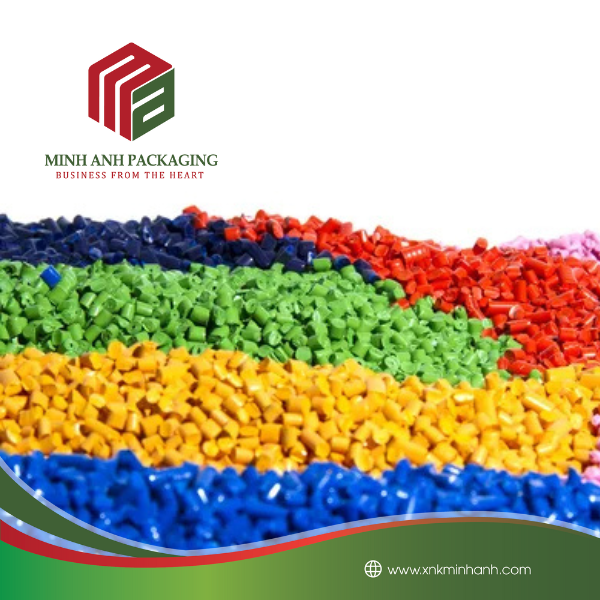
How to Identify Quality Plastic Granules

Plastic granules are a common raw material used in various industries, including packaging, automotive, construction, and consumer goods. Identifying quality plastic granules is crucial for ensuring the integrity and performance of the final products. Here are some key factors to consider when evaluating the quality of plastic granules:
Plastic granules are a common raw material used in various industries, including packaging, automotive, construction, and consumer goods. Identifying quality plastic granules is crucial for ensuring the integrity and performance of the final products. Here are some key factors to consider when evaluating the quality of plastic granules:

1. Raw Material Source:
The quality of plastic granules is heavily influenced by the raw material source. It is important to ensure that the raw materials used in the production of plastic granules are of high quality and free from contaminants. This can be achieved by working with reputable suppliers who adhere to strict quality control measures in their sourcing and production processes.
2. Physical Properties:
Physical properties such as particle size, shape, and consistency are important indicators of quality in plastic granules. High-quality granules should have uniform particle size and shape, as well as consistent density and flow characteristics. Deviations in these physical properties can affect the performance of the granules during processing and in the final product.

3. Chemical Composition:
The chemical composition of plastic granules plays a significant role in determining their quality. It is essential to analyze the polymer composition, additives, and any impurities present in the granules. High-quality plastic granules should have a well-defined chemical composition with the right balance of additives to meet the specific requirements of the end-use application.
4. Thermal Stability:
The thermal stability of plastic granules is a critical factor in their quality assessment. Granules with high thermal stability can withstand processing temperatures without degrading or losing their physical properties. Thermal stability testing can be conducted to evaluate the granules’ performance under different temperature conditions, ensuring that they meet the required standards for processing and end-product performance.

5. Mechanical Properties:
The mechanical properties of plastic granules, such as tensile strength, impact resistance, and flexibility, are important considerations in assessing their quality. These properties determine the structural integrity and durability of the final products made from the granules. Testing methods such as tensile testing, impact testing, and flexural testing can be used to evaluate the mechanical properties of the granules.
6. Color Consistency:
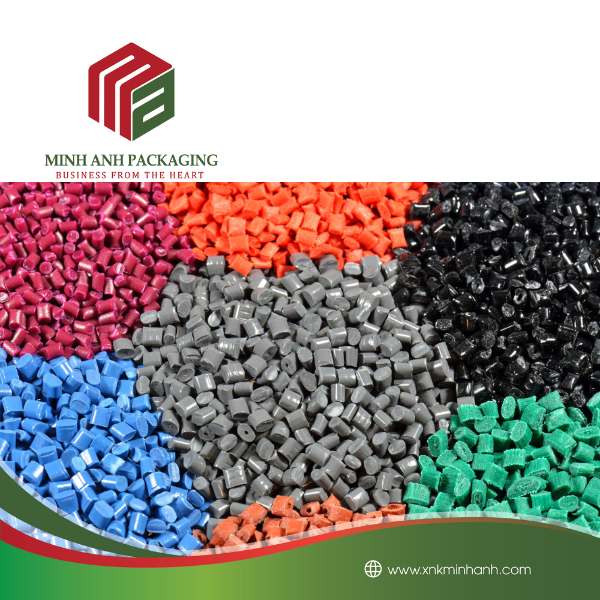
For applications where color is a critical factor, such as in packaging or consumer goods, color consistency is an important aspect of quality control for plastic granules. High-quality granules should exhibit consistent color properties without any variations or streaks. Color analysis and visual inspection can be used to assess the color consistency of the granules.
7. Regulatory Compliance:
Quality plastic granules should comply with relevant industry standards and regulations to ensure their safety and suitability for use in various applications. It is important to verify that the granules meet specific regulatory requirements for food contact, environmental impact, and other relevant standards.
In conclusion, identifying quality plastic granules requires a comprehensive evaluation of their raw material source, physical and chemical properties, thermal and mechanical characteristics, color consistency, and regulatory compliance. By considering these key factors, manufacturers and users of plastic granules can ensure that they are working with high-quality materials that meet their performance and safety requirements.
Hãy là người đầu tiên nhận xét “How to Identify Quality Plastic Granules”
Sản phẩm tương tự


Tin Tức Bao Bì


Tin Tức Bao Bì
Food Cling Film: Outstanding Advantages in Food Preservation

Tin Tức Bao Bì

Tin Tức Bao Bì

Tin Tức Bao Bì

Tin Tức Bao Bì


Đánh giá
Chưa có đánh giá nào.