
The Versatility of Plastic Granules in Construction

Despite their many benefits, it is important to consider the environmental impact of using plastic granules in construction. While recycled plastic granules offer a sustainable alternative to virgin plastics, their production still requires energy and resources. Additionally, proper waste management and recycling infrastructure are essential to ensure that plastic-based building materials are disposed of responsibly at the end of their useful life. As such, it is crucial for construction industry professionals to prioritize sustainability and consider the full lifecycle of plastic granule-based products when incorporating them into building projects.
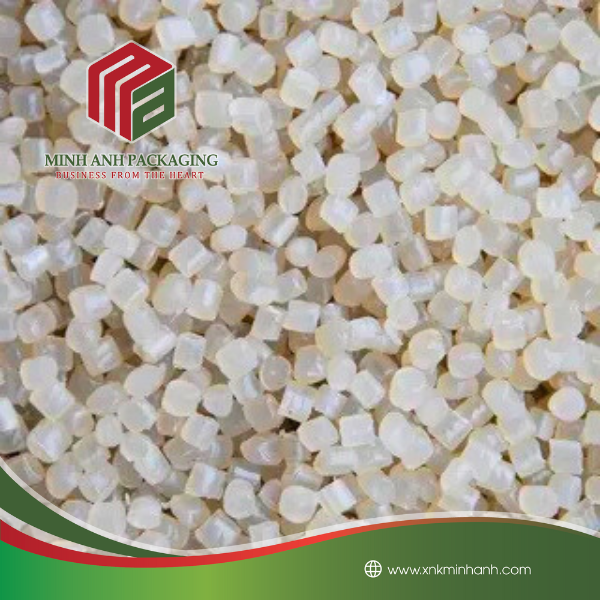
Plastic granules have become increasingly popular in the construction industry due to their versatility and wide range of applications. These small, uniform particles are derived from various types of plastic materials, such as polyethylene, polypropylene, and PVC, and can be used in a multitude of construction processes. From reinforcing concrete to creating durable and lightweight building materials, plastic granules offer numerous benefits that make them an attractive choice for construction projects.

One of the key advantages of using plastic granules in construction is their ability to enhance the properties of concrete. By adding plastic granules to concrete mixtures, builders can improve the strength, durability, and flexibility of the resulting structures. This is particularly useful in areas prone to seismic activity, as the enhanced flexibility of plastic-reinforced concrete can help buildings withstand the forces exerted during an earthquake. Additionally, plastic granules can reduce the overall weight of concrete structures, making them easier and more cost-effective to transport and install.
In addition to improving the performance of concrete, plastic granules can also be used to create innovative building materials. For example, recycled plastic granules can be molded into durable and weather-resistant roofing tiles, siding panels, and decking materials. These products offer a sustainable alternative to traditional construction materials, as they are made from recycled plastics and can be recycled again at the end of their lifespan. Furthermore, plastic-based building materials are often lighter and easier to work with than their traditional counterparts, making them an attractive option for both builders and homeowners.

Another notable application of plastic granules in construction is their use in thermal insulation. When mixed with other insulating materials, such as foam or fiberglass, plastic granules can help improve the energy efficiency of buildings by reducing heat transfer through walls, floors, and roofs. This can lead to lower heating and cooling costs for building owners, as well as a reduced environmental impact due to decreased energy consumption.
Furthermore, plastic granules can be incorporated into asphalt mixtures to create more durable and longer-lasting road surfaces. By adding plastic granules to asphalt pavement, engineers can improve its resistance to wear and tear, as well as enhance its ability to withstand temperature fluctuations and heavy traffic loads. This not only extends the lifespan of roads and highways but also reduces the need for frequent maintenance and repairs, ultimately saving time and money for transportation agencies and taxpayers.
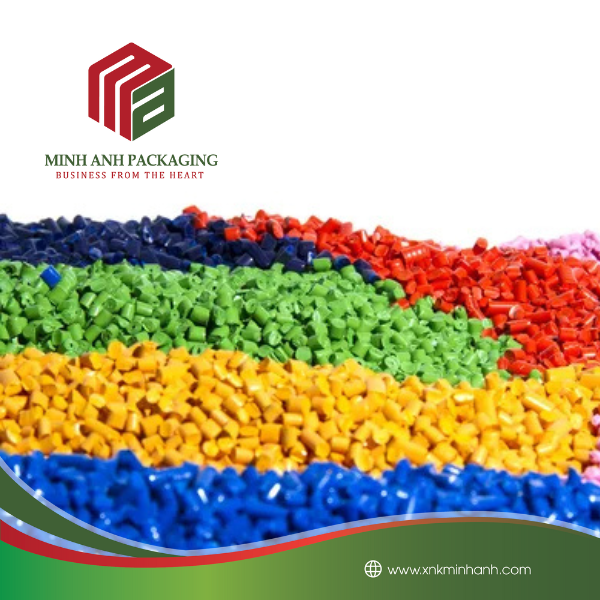
In recent years, the construction industry has also seen a rise in the use of 3D printing technology, which has opened up new possibilities for incorporating plastic granules into building processes. By using specially formulated plastic granules as feedstock, 3D printers can create intricate and customized building components, such as architectural features, decorative elements, and even entire structural elements. This additive manufacturing approach offers greater design freedom and construction efficiency, enabling architects and builders to bring their creative visions to life with greater precision and speed.
Despite their many benefits, it is important to consider the environmental impact of using plastic granules in construction. While recycled plastic granules offer a sustainable alternative to virgin plastics, their production still requires energy and resources. Additionally, proper waste management and recycling infrastructure are essential to ensure that plastic-based building materials are disposed of responsibly at the end of their useful life. As such, it is crucial for construction industry professionals to prioritize sustainability and consider the full lifecycle of plastic granule-based products when incorporating them into building projects.
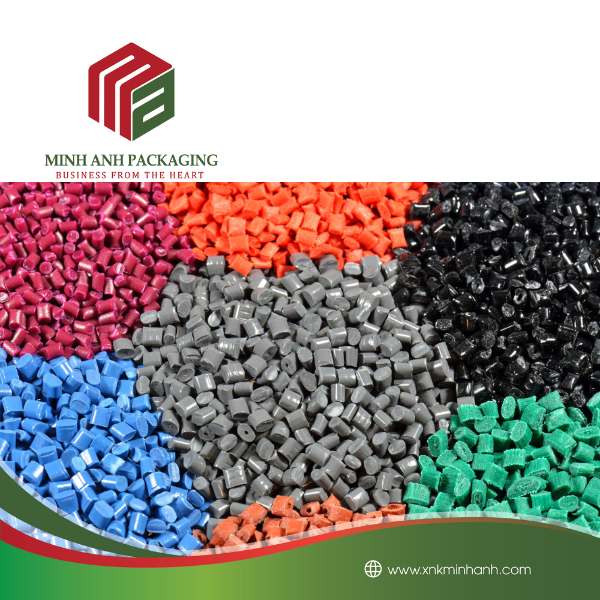
In conclusion, the versatility of plastic granules in construction is undeniable. From improving the performance of concrete to creating innovative building materials and enhancing thermal insulation, plastic granules offer a wide range of applications that benefit both builders and building owners. As technology continues to advance, the potential for utilizing plastic granules in construction is only expected to grow, offering new opportunities for sustainable and efficient building practices. However, it is crucial for industry stakeholders to approach the use of plastic granules with careful consideration of their environmental impact and long-term sustainability. With responsible use and proper management, plastic granules can continue to play a valuable role in shaping the future of construction.
Hãy là người đầu tiên nhận xét “The Versatility of Plastic Granules in Construction”
Sản phẩm tương tự


Tin Tức Bao Bì

Tin Tức Bao Bì

Tin Tức Bao Bì

Tin Tức Bao Bì

Tin Tức Bao Bì


Tin Tức Bao Bì


Đánh giá
Chưa có đánh giá nào.