
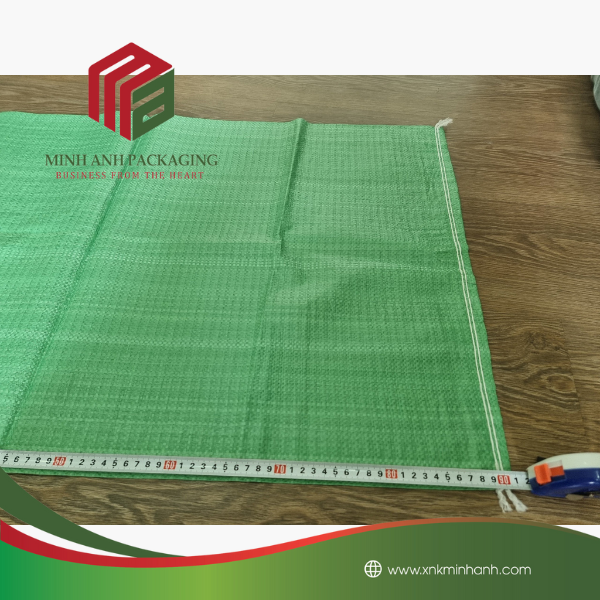
Why PP Woven Bags Are the Future of the Packaging Industry
In an era marked by increasing environmental concerns and the need for sustainable packaging solutions, polypropylene (PP) woven bags have emerged as a formidable contender in the packaging industry. These bags, made from woven polypropylene fabric, are gaining traction due to their durability, versatility, and eco-friendliness. This article explores the reasons why PP woven bags are becoming the preferred choice for businesses and consumers alike, and how they are poised to shape the future of packaging.
In an era marked by increasing environmental concerns and the need for sustainable packaging solutions, polypropylene (PP) woven bags have emerged as a formidable contender in the packaging industry. These bags, made from woven polypropylene fabric, are gaining traction due to their durability, versatility, and eco-friendliness. This article explores the reasons why PP woven bags are becoming the preferred choice for businesses and consumers alike, and how they are poised to shape the future of packaging.

PP woven bags have been around for several decades, primarily used in industries such as agriculture, construction, and bulk packaging. However, their popularity has surged recently as companies seek more sustainable alternatives to traditional plastic and paper packaging. The global push towards reducing plastic waste and promoting recyclable materials has propelled PP woven bags into the spotlight.

1. Durability: One of the standout features of PP woven bags is their strength. Made from high-density polypropylene fibers, these bags can withstand heavy loads and resist tearing. This makes them ideal for packaging products ranging from grains and fertilizers to chemicals and pet food.
2. Water Resistance: Unlike paper bags, PP woven bags are inherently water-resistant. This property ensures that the contents remain dry and protected from moisture, which is particularly important for agricultural products.
3. Lightweight and Cost-Effective: PP woven bags are lightweight, which reduces shipping costs and makes them easier to handle. Additionally, their cost-effectiveness makes them an attractive option for businesses looking to optimize their packaging expenses.
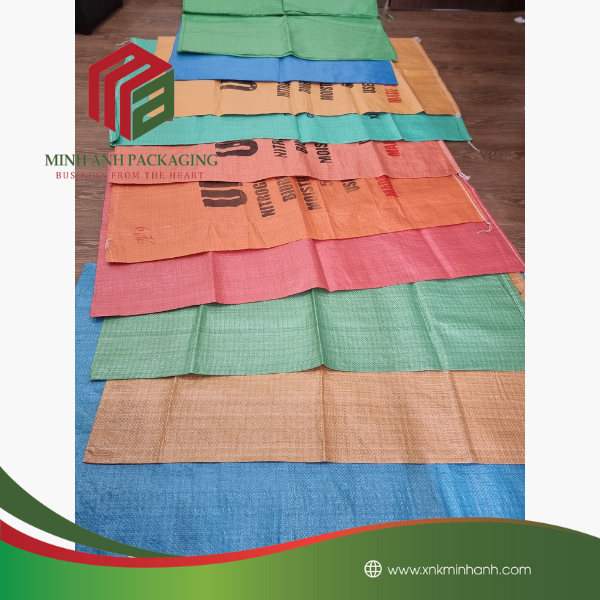
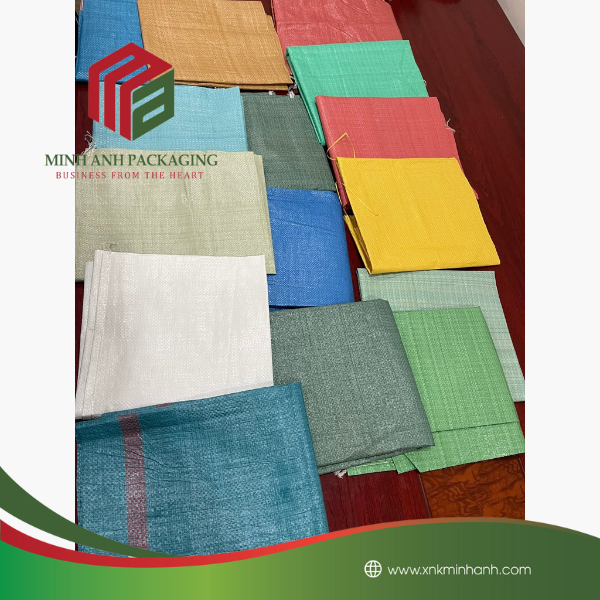
4. Customizable Designs: These bags can be easily customized in terms of size, color, and printing options. This flexibility allows companies to promote their brand effectively while meeting specific packaging requirements.
5. Recyclability: As the world moves towards a circular economy, the recyclability of materials has become a critical factor in packaging choices. PP woven bags are recyclable and can be repurposed into new products, reducing waste and promoting sustainability.
The environmental impact of packaging materials is a pressing concern for consumers and businesses alike. Traditional plastic bags contribute significantly to pollution and landfill waste. In contrast, PP woven bags offer several environmental advantages:
1. Reduced Carbon Footprint: The production process for PP woven bags typically generates fewer greenhouse gas emissions compared to other materials like paper or single-use plastics. This contributes to a lower overall carbon footprint for businesses that choose these bags.
2. Longer Lifespan: Due to their durability, PP woven bags can be reused multiple times before they need to be disposed of. This longevity reduces the frequency of replacements compared to other packaging options.
3. Biodegradable Alternatives: While traditional PP woven bags are not biodegradable, advancements in material science have led to the development of biodegradable PP woven bags that offer similar benefits with a reduced environmental impact.

The versatility of PP woven bags makes them suitable for a wide range of applications across various industries:
1. Agriculture: Farmers use PP woven bags to store and transport grains, seeds, fertilizers, and animal feed. Their strength and water resistance make them ideal for agricultural use.
2. Construction: In the construction industry, these bags are often utilized for carrying sand, gravel, and other bulk materials. Their ability to withstand heavy loads makes them a reliable choice.
3. Retail: Retailers are increasingly adopting PP woven bags as reusable shopping bags. Their customizable designs provide a branding opportunity while promoting sustainability among consumers.
4. Food Packaging: In the food industry, PP woven bags are used for packaging products such as rice, flour, and pet food. Their resistance to moisture ensures that food products remain fresh during transportation.
5. Chemical Industry: The chemical industry benefits from using PP woven bags for packaging hazardous materials due to their strength and resistance to chemical reactions.
Governments worldwide are recognizing the importance of sustainable packaging solutions and are implementing regulations to reduce plastic waste. Many countries have introduced bans or restrictions on single-use plastics, prompting businesses to seek alternatives like PP woven bags.
In addition to regulations, various incentives are being offered to companies that adopt environmentally friendly practices. This regulatory support is likely to accelerate the adoption of PP woven bags across industries as businesses strive to comply with sustainability mandates.
While PP woven bags present numerous advantages, there are challenges that must be addressed:
1. Market Education: Many consumers remain unaware of the benefits of PP woven bags compared to traditional packaging options. Educating consumers about their advantages is crucial for wider acceptance.
2. Recycling Infrastructure: Although PP woven bags are recyclable, the existing recycling infrastructure may not be adequately equipped to handle them in some regions. Investments in recycling facilities will be necessary to facilitate effective disposal.
3. Competition with Other Materials: The packaging industry is highly competitive, with various materials vying for market share. Companies must continuously innovate to differentiate their products from alternatives like paper or biodegradable plastics.

As the world moves towards a more sustainable future, PP woven bags represent a promising solution in the packaging industry. Their durability, versatility, and environmental benefits position them as an ideal choice for businesses seeking to reduce their ecological footprint while meeting consumer demands for sustainable practices.
With increasing regulatory support and growing awareness among consumers, it is clear that PP woven bags are not just a trend but a viable long-term solution for packaging needs across various industries. As companies continue to embrace these innovative materials, we can expect a significant shift in the packaging landscape—one that prioritizes sustainability without compromising on quality or functionality.
Hãy là người đầu tiên nhận xét “Why PP Woven Bags Are the Future of the Packaging Industry”
Sản phẩm tương tự


Tin Tức Bao Bì


Tin Tức Bao Bì


Tin Tức Bao Bì

Tin Tức Bao Bì


Đánh giá
Chưa có đánh giá nào.