
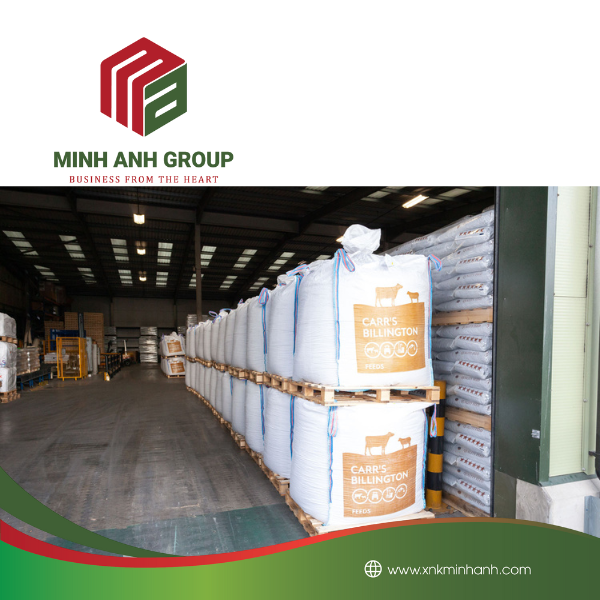
The Hidden Engineering Behind FIBC Bag Strength and Safety
FIBC bags may not be the most glamorous topic in the world (unless you’re really into industrial packaging), but they’re proof that even the simplest things can have complex engineering behind them. They’re strong, safe, and surprisingly versatile—kind of like the Swiss Army knife of bags.
When you hear the phrase “FIBC bag,” your first thought might be, “Is that a new kind of coffee? Or maybe a secret government agency?” Nope. FIBC stands for Flexible Intermediate Bulk Container, which is a fancy way of saying “those big, industrial-sized bags that look like they could double as parachutes for elephants.” But don’t be fooled by their humble appearance—there’s some serious science and engineering magic going on behind the scenes to make sure these bags can handle the heavy lifting.
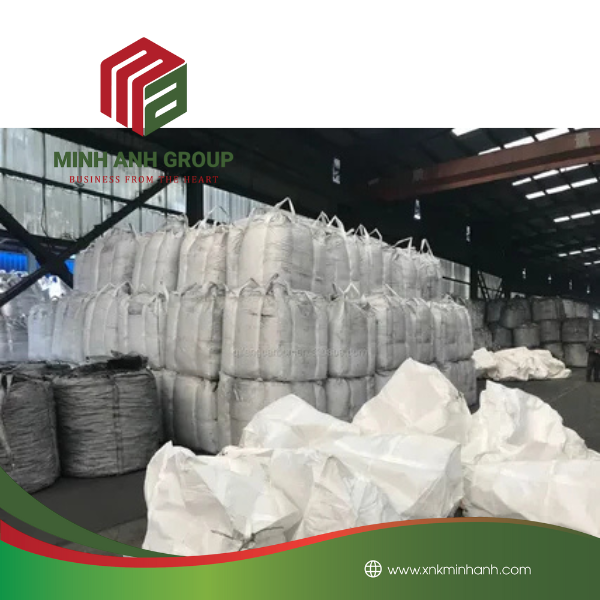
Let’s dive in and uncover the surprisingly fascinating (and funny) world of FIBC bag strength and safety. Because, let’s face it, if we’re going to talk about giant bags, we might as well have some fun with it.
The Secret Superheroes of the Industrial World
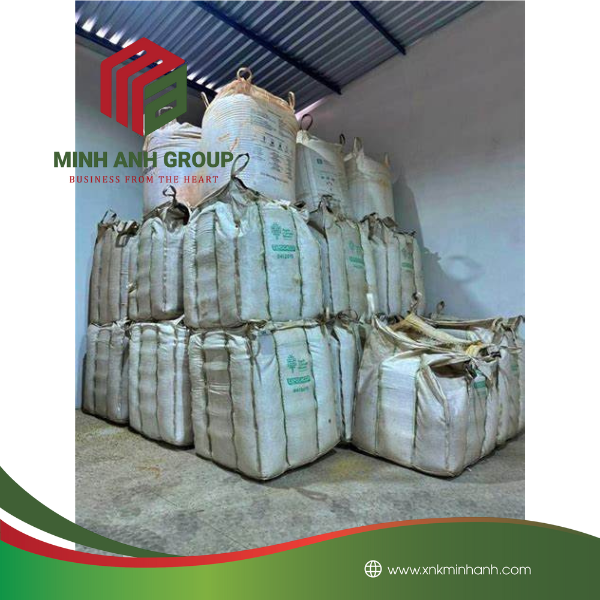
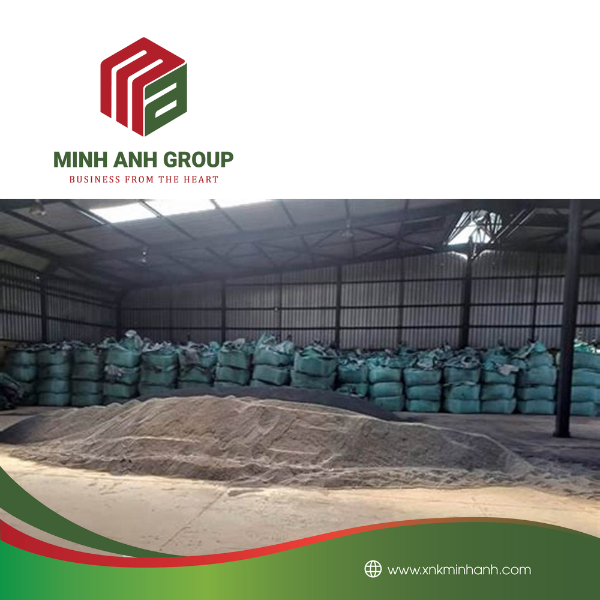
First off, FIBC bags are the unsung heroes of the industrial universe. They’re used to transport everything from grains and chemicals to construction materials and, for all we know, the hopes and dreams of overworked engineers. These bags can hold up to 2,000 kilograms (that’s roughly the weight of a small car—or about 20,000 tacos, depending on your priorities).
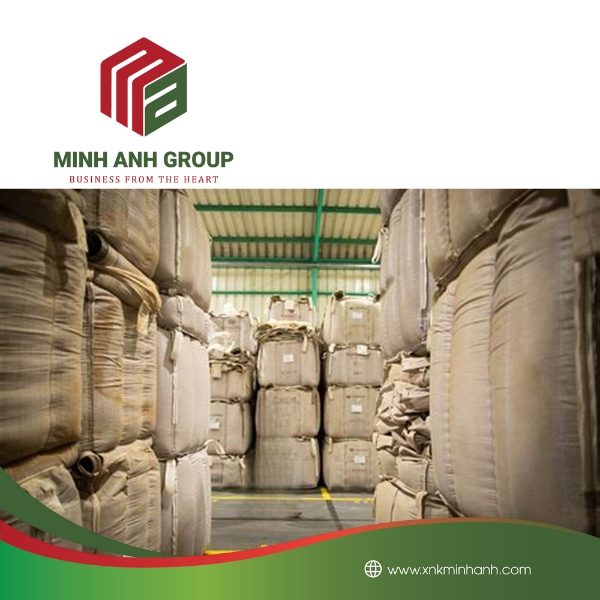
But how do these seemingly simple sacks manage to carry such massive loads without bursting like an overstuffed piñata? The answer lies in their design, which is more sophisticated than a cat wearing a monocle.
The Fabric of Strength: Polypropylene
At the heart of every FIBC bag is polypropylene, a type of plastic that’s lightweight, durable, and apparently has a gym membership because it’s ridiculously strong. Polypropylene fibers are woven together into a fabric that can withstand immense pressure. Think of it as the Chuck Norris of materials—it doesn’t break; it just politely asks gravity to back off.
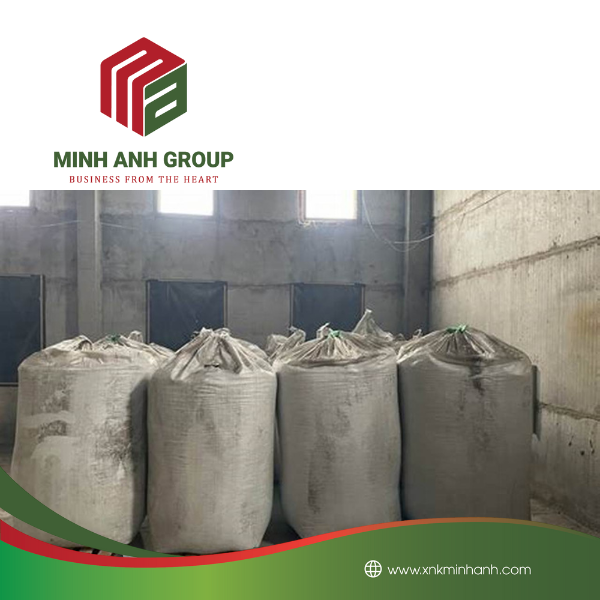
But wait, there’s more! The fabric isn’t just strong; it’s also UV-resistant. That means these bags can sit out in the sun all day without turning into a sad, floppy mess. It’s like they’re wearing SPF 1000 sunscreen.
Safety First (Because Nobody Wants a Grain Explosion)
When you’re dealing with bags that can carry literal tons of stuff, safety is kind of a big deal. Imagine dropping one of these bags filled with flour or sugar—boom! Instant cloud of chaos. (And if you think cleaning up spilled sugar is bad, try explaining it to your boss while coughing up powdered sweetness.)
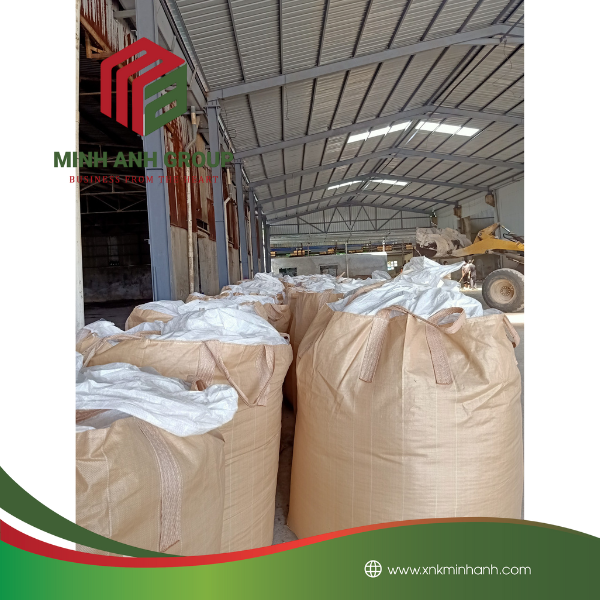
To prevent such disasters, FIBC bags are designed with safety features that would make even a seatbelt jealous. For example:
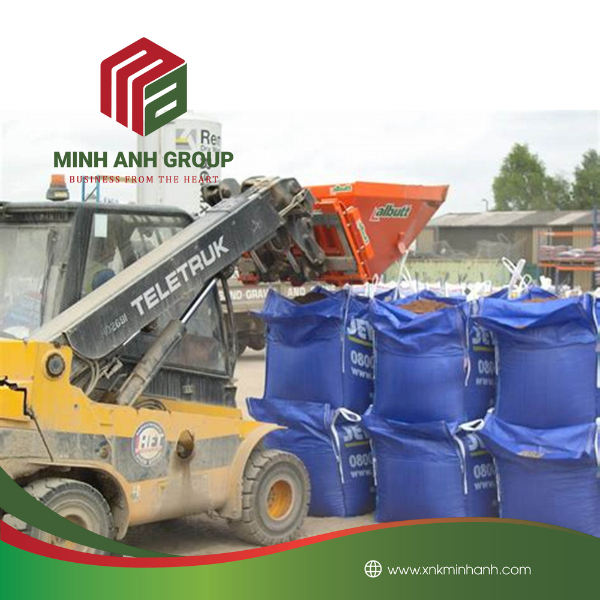
– **Reinforced Loops:** These are the handles that let forklifts pick up the bags without tearing them apart like a poorly wrapped burrito.
– **Anti-Static Coatings:** For those times when you’re transporting flammable materials and don’t want a rogue spark turning your warehouse into a fireworks display.
– **Baffles:** These internal panels keep the bag’s contents from shifting around too much, so you don’t end up with a lopsided load that looks like it’s had one too many margaritas.
Testing: The Torture Chamber for Bags
Before an FIBC bag ever gets to hold anything important (like coffee beans or glitter—hey, we don’t judge), it goes through rigorous testing. And by “rigorous,” I mean they basically put these bags through an industrial version of boot camp.
They’re stretched, dropped, squished, and loaded beyond their maximum capacity—all in the name of science (and safety). It’s like watching an action movie starring a bag instead of Bruce Willis. Except this time, the bag *does* survive the explosion.
Customization: Because One Size Doesn’t Fit All
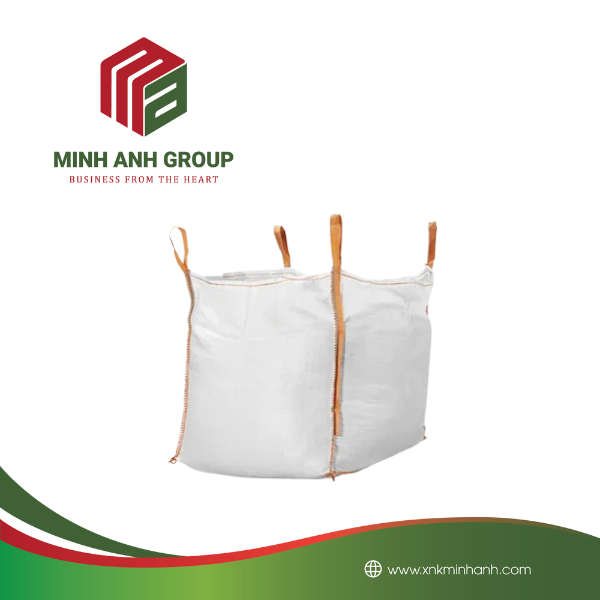
Not all FIBC bags are created equal. Some are designed for single use (like disposable coffee cups but way bigger), while others are reusable and built to last. You can even customize them based on what you’re transporting. Need a bag with extra ventilation for your onions? Done. Want one with a spout at the bottom for easy unloading? No problem. It’s like ordering pizza—you choose your toppings (or features), and voilà, your perfect bag is ready to go.
The Real MVPs: Engineers
Let’s take a moment to appreciate the engineers behind these marvels of modern industry. These are the people who sit in labs (probably surrounded by half-empty coffee cups) and figure out how to make sure your bag doesn’t turn into a disaster waiting to happen. They calculate tensile strength, study load distribution, and probably have nightmares about catastrophic bag failures.
So next time you see an FIBC bag doing its thing—whether it’s holding cement on a construction site or storing rice at a warehouse—give it a little nod of respect. And maybe send some good vibes to the engineers who made it possible.
Final Thoughts: Big Bags, Bigger Brains
FIBC bags may not be the most glamorous topic in the world (unless you’re really into industrial packaging), but they’re proof that even the simplest things can have complex engineering behind them. They’re strong, safe, and surprisingly versatile—kind of like the Swiss Army knife of bags.
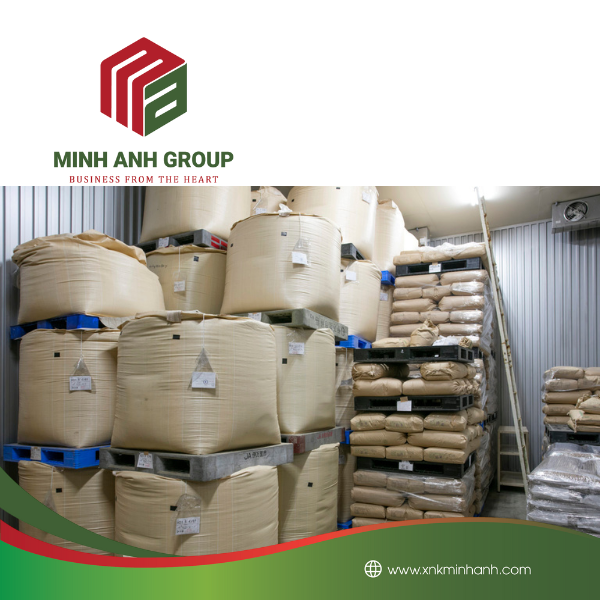
So here’s to FIBC bags: the quiet workhorses of industry, the unsung heroes of logistics, and the only thing standing between us and an avalanche of spilled lentils. Thank you for your service—and for not exploding under pressure. Literally.
Hãy là người đầu tiên nhận xét “The Hidden Engineering Behind FIBC Bag Strength and Safety”
Sản phẩm tương tự

Tin Tức Bao Bì


Tin Tức Bao Bì
Food Cling Film: Outstanding Advantages in Food Preservation

Tin Tức Bao Bì

Tin Tức Bao Bì


Tin Tức Bao Bì


Đánh giá
Chưa có đánh giá nào.