
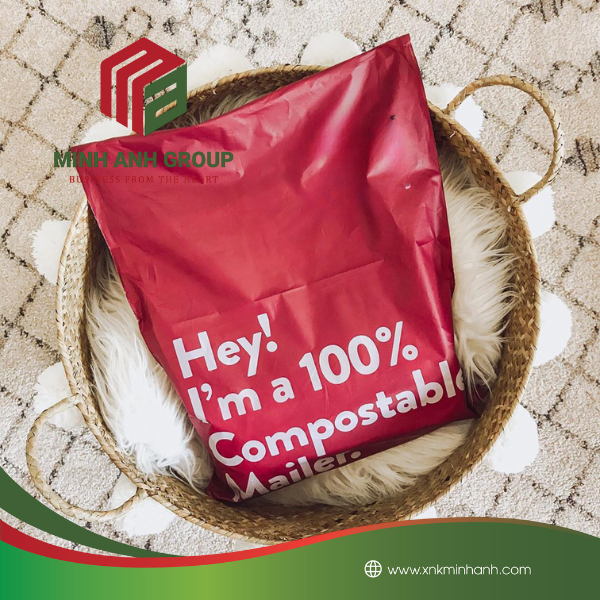
The Color Conundrum: Why Some ‘Green’ Mailers Aren’t as Eco-Friendly as They Appear

In recent years, the global push for sustainability has led to an increased demand for eco-friendly products and practices. Businesses, eager to align with environmentally conscious consumers, have embraced green marketing strategies, often promoting their products as sustainable or eco-friendly. One such example is the rise of “green” mailers—packaging materials marketed as a sustainable alternative to traditional options. However, not all that glitters is green. Despite their branding, some so-called green mailers may not be as environmentally friendly as they claim. This raises important questions about transparency, accountability, and the true environmental impact of these products.
In recent years, the global push for sustainability has led to an increased demand for eco-friendly products and practices. Businesses, eager to align with environmentally conscious consumers, have embraced green marketing strategies, often promoting their products as sustainable or eco-friendly. One such example is the rise of “green” mailers—packaging materials marketed as a sustainable alternative to traditional options. However, not all that glitters is green. Despite their branding, some so-called green mailers may not be as environmentally friendly as they claim. This raises important questions about transparency, accountability, and the true environmental impact of these products.
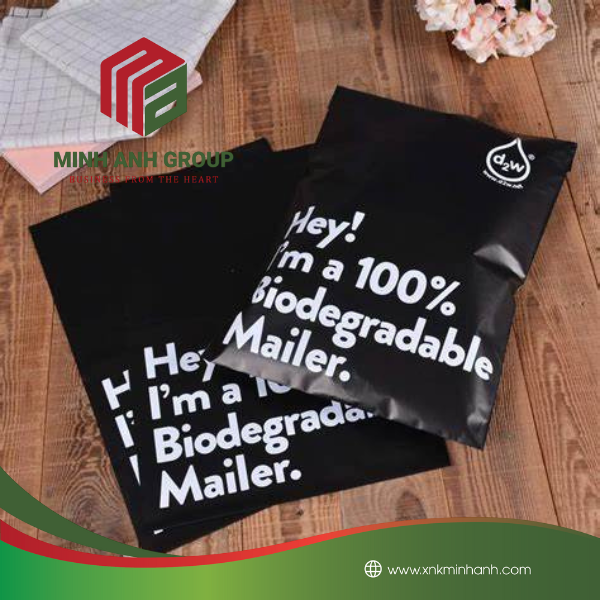
The Appeal of Green Mailers
Green mailers are designed to appeal to individuals and businesses seeking to reduce their carbon footprint. Often branded with terms like “biodegradable,” “compostable,” or “made from recycled materials,” these mailers promise to be a more sustainable option than conventional plastic or paper packaging. For e-commerce companies especially, adopting such packaging can be a way to demonstrate their commitment to sustainability while catering to the values of their customers.
The benefits of green mailers, when genuinely eco-friendly, are significant. They can help reduce reliance on virgin materials, lower greenhouse gas emissions during production, and minimize waste that ends up in landfills or oceans. However, the reality is that not all green mailers live up to these promises.
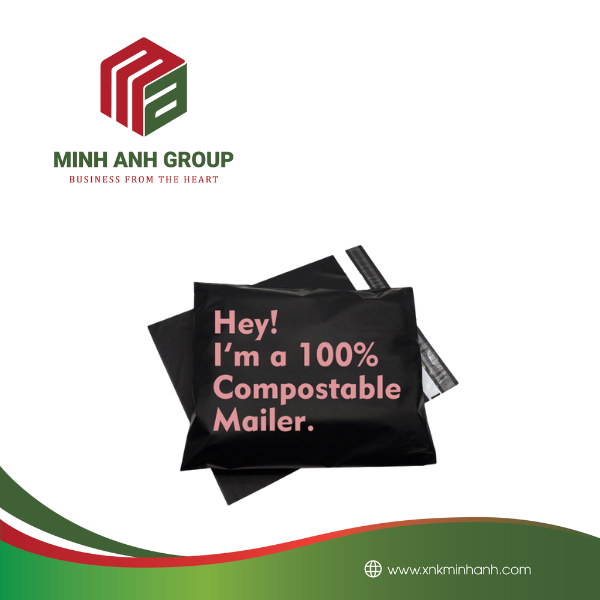
Misleading Claims and Greenwashing
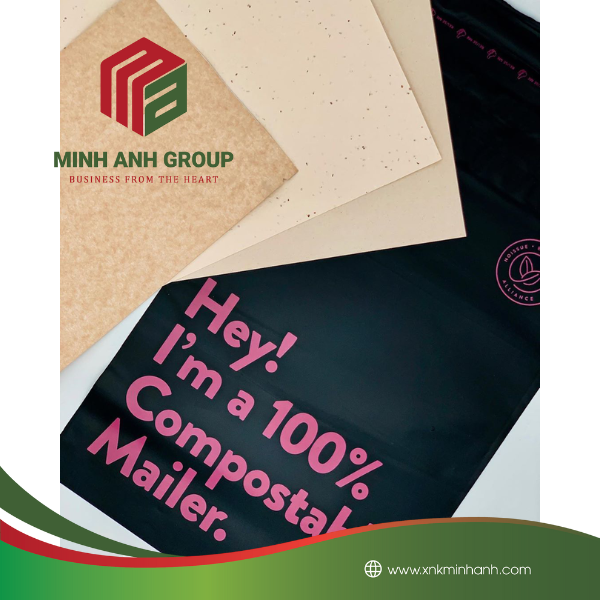
One of the biggest challenges in the green packaging industry is the prevalence of greenwashing—the practice of making misleading or exaggerated claims about a product’s environmental benefits. Greenwashing can take many forms, from vague language to outright falsehoods. For example, a mailer might be labeled as “biodegradable,” but without proper clarification, consumers may not realize that it requires specific industrial conditions to break down. In a typical landfill or home composting environment, such materials may persist for years, negating their supposed eco-friendly advantage.
Similarly, some mailers marketed as “recyclable” may technically meet recycling standards but are not accepted by most municipal recycling programs due to their composition or lack of infrastructure. Poly mailers, for instance, often require specialized facilities for recycling—a fact that many consumers are unaware of. As a result, these materials may still end up in landfills despite their recyclable label.
The Importance of Material Composition
The composition of green mailers plays a crucial role in determining their environmental impact. While many mailers are made from recycled materials, the source and quality of those materials matter. Recycled content can reduce the demand for virgin resources, but if the recycling process itself is energy-intensive or involves harmful chemicals, the overall environmental benefit may be diminished.
Bioplastics are another common material used in green mailers. Derived from renewable resources like cornstarch or sugarcane, bioplastics are often touted as a sustainable alternative to traditional plastics. However, their production can still have significant environmental consequences, including high water and energy use. Additionally, not all bioplastics are biodegradable or compostable in natural conditions, leading to confusion and potential environmental harm if they are improperly disposed of.
The Role of Certification and Standards
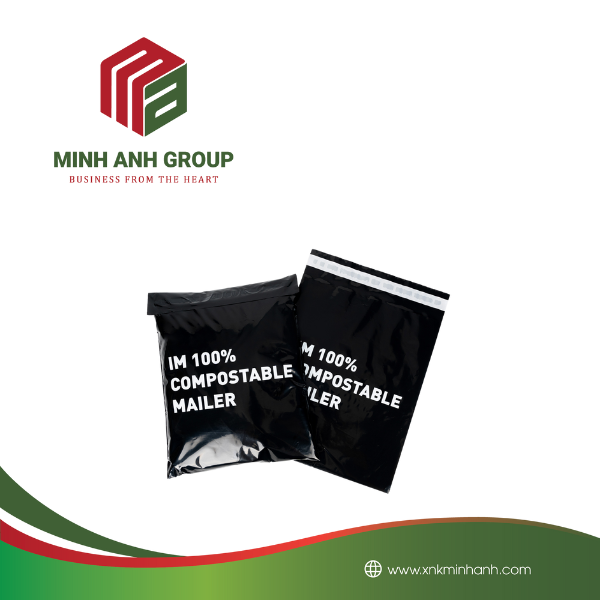
One way to address the issue of misleading claims is through certification and adherence to recognized environmental standards. Certifications such as the Forest Stewardship Council (FSC) label for paper products or the Biodegradable Products Institute (BPI) certification for compostable materials can provide consumers with greater confidence in a product’s sustainability credentials. However, even certified products require scrutiny. Consumers must understand what these certifications entail and whether they align with their values and expectations.
For businesses, obtaining credible certifications can be a way to build trust and demonstrate their commitment to sustainability. However, it also requires investment in transparent supply chains and rigorous testing—steps that some companies may be unwilling or unable to take.
The Bigger Picture: Reducing Packaging Waste
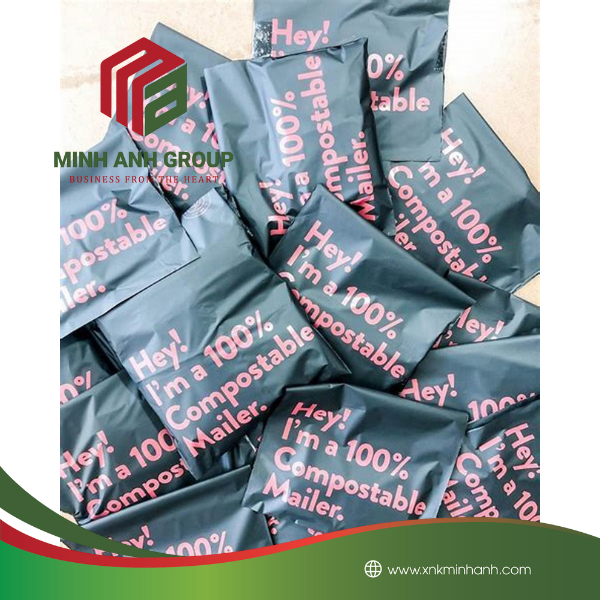
While improving the sustainability of mailers is important, it is only one piece of a larger puzzle. To truly address the environmental impact of packaging, businesses and consumers must also focus on reducing overall packaging use. Strategies such as right-sizing packages to eliminate excess material, reusing packaging whenever possible, and encouraging customers to participate in recycling programs can all contribute to waste reduction.
Innovative solutions are also emerging in the packaging industry. For example, some companies are exploring reusable mailer systems that allow customers to return packaging for multiple uses. Others are investing in research and development to create materials that are not only sustainable but also easily integrated into existing waste management systems.
The Need for Consumer Education
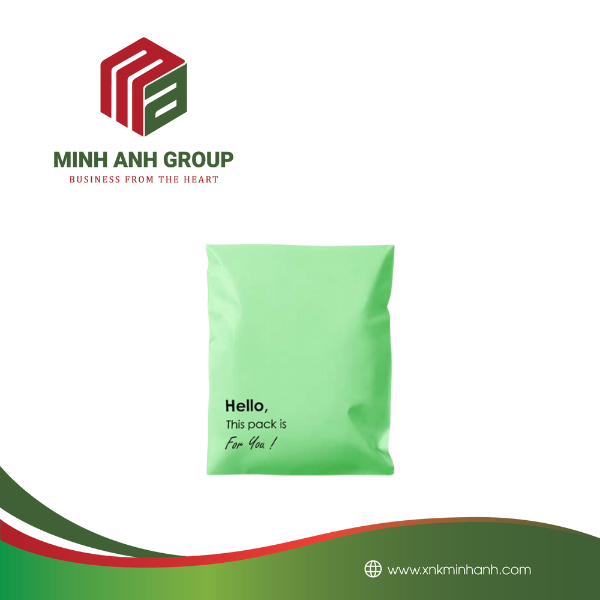
Ultimately, solving the color conundrum requires informed consumers who can critically evaluate green claims. Businesses have a responsibility to provide clear and accurate information about their products’ environmental impact, but consumers must also take the initiative to ask questions and seek out credible sources of information.
For example, understanding the difference between “compostable” and “biodegradable,” or knowing whether local recycling facilities accept certain materials, can empower consumers to make more sustainable choices. Public awareness campaigns and educational initiatives can play a key role in bridging this knowledge gap.
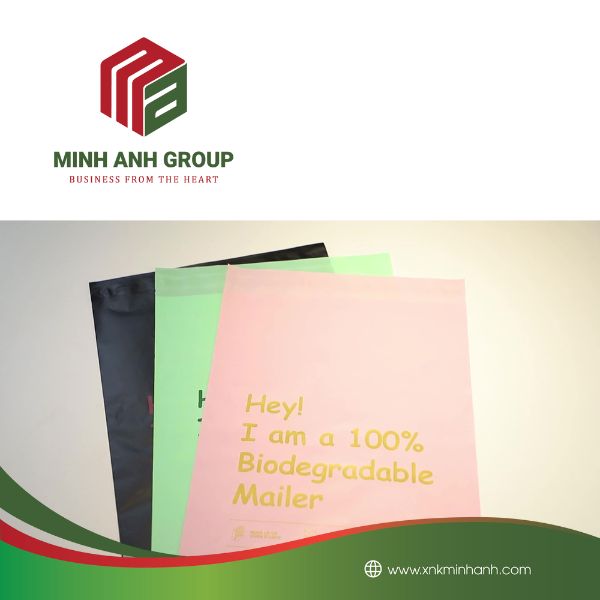
The rise of green mailers reflects a positive shift toward sustainability in packaging. However, not all green mailers are created equal, and some may fall short of their eco-friendly promises. To ensure that these products truly benefit the environment, businesses must prioritize transparency and accountability in their marketing practices, while consumers must remain vigilant against greenwashing.
As we navigate this complex landscape, it is essential to remember that sustainability is not just about choosing the right products but also about adopting a mindset of reducing waste and conserving resources. By working together—businesses, consumers, and policymakers alike—we can move closer to a future where our packaging choices align with our environmental values.
Hãy là người đầu tiên nhận xét “The Color Conundrum: Why Some ‘Green’ Mailers Aren’t as Eco-Friendly as They Appear”
Sản phẩm tương tự

Tin Tức Bao Bì

Tin Tức Bao Bì


Tin Tức Bao Bì

Tin Tức Bao Bì

Tin Tức Bao Bì

Tin Tức Bao Bì

Tin Tức Bao Bì


Đánh giá
Chưa có đánh giá nào.