
Beneath the Surface: How Soil Bacteria Interact with Different Biodegradable Mailer Materials

So where does this leave us? Are soil bacteria doomed to wage war against biodegradable mailers forever? Not necessarily. Scientists are constantly working on new materials that are easier for bacteria to break down, including algae-based plastics and mushroom packaging (yes, really).
Ah, soil bacteria—the unsung heroes of the underground world. These microscopic critters are the original recyclers, tirelessly breaking down organic matter so we can all enjoy fertile soil, lush greenery, and a planet that doesn’t look like a landfill. But what happens when these tiny decomposers meet their modern nemesis: biodegradable mailers? Spoiler alert: it’s not always love at first sight.
Let’s dig into this muddy relationship and see how soil bacteria are handling the influx of trendy, eco-friendly mailers. Are they throwing a bacterial block party or quietly plotting their revenge? Grab your compostable coffee cup and let’s find out.
Chapter 1: The Great Mailer Migration
Once upon a time, mailers were simple. They were made of plastic, lasted forever, and were basically the cockroaches of the packaging world. But then came the eco-revolution! Suddenly, everyone was ditching plastic for biodegradable alternatives. “Save the turtles!” we cried. “Save the planet!” we yelled. And thus, the biodegradable mailer trend was born.
But here’s the kicker: not all biodegradable materials are created equal. Some break down faster than a cookie at a toddler’s birthday party, while others take their sweet time—like that one friend who says they’re “on their way” but hasn’t even left the house yet. So how do soil bacteria feel about this sudden influx of new materials? Let’s find out.
Chapter 2: Soil Bacteria Meet Starch-Based Mailers
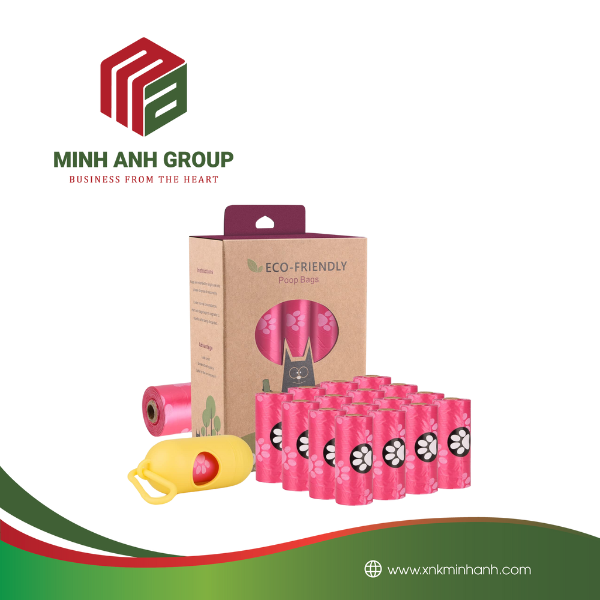
First up, we have starch-based mailers. Made from corn or potato starch, these mailers are like the comfort food of biodegradable packaging. They’re soft, squishy, and full of carbohydrates—basically a buffet for bacteria.
When soil bacteria encounter starch-based mailers, it’s like Thanksgiving dinner. They dive in headfirst, breaking down the material with enzymes faster than you can say “compost.” In fact, these mailers often degrade so quickly that they barely have time to say hello to their fellow trash pile residents.
But there’s a catch: starch-based mailers can attract pests if they’re not disposed of properly. Imagine being a soil bacterium, happily munching away on your starch feast, only to have an earthworm crash the party. Awkward.
Chapter 3: PLA Mailers – The Divas of Decomposition
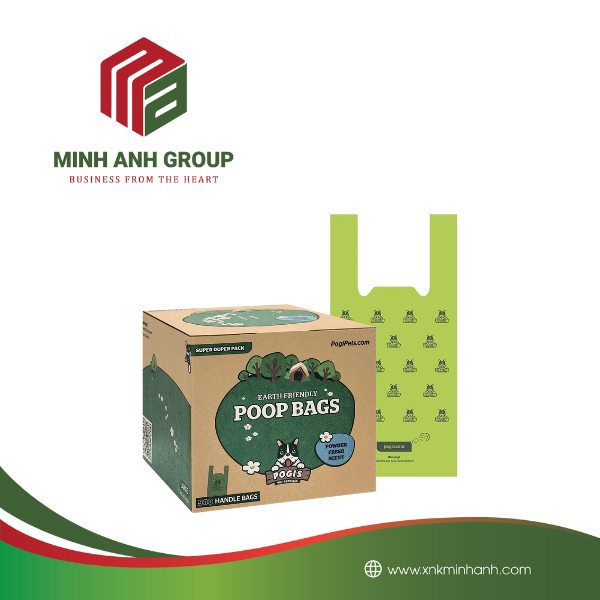
Next, we have PLA (polylactic acid) mailers. These are made from fermented plant sugars and are often touted as the Beyoncé of biodegradable packaging—sleek, stylish, and oh-so-trendy. But here’s the thing about PLA: it’s picky.
PLA mailers don’t just break down anywhere. They require specific conditions to decompose—high heat, controlled humidity, and a composting facility that basically functions like a bacterial spa day. If you toss a PLA mailer into your backyard compost bin, soil bacteria will look at it like, “Uh, what do you expect us to do with this?”
So while PLA mailers are technically biodegradable, they’re kind of like that one friend who refuses to camp unless there’s Wi-Fi and air conditioning. High maintenance? Just a bit.
Chapter 4: Paper Mailers – Old School Cool
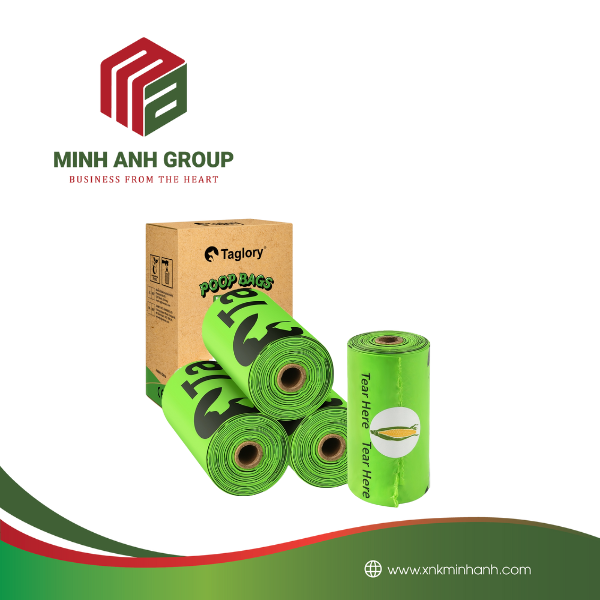
Ah, paper mailers—the OGs of biodegradable packaging. These guys have been around forever and are basically the grandpas of the sustainable packaging world. Soil bacteria love paper mailers because they’re easy to break down and don’t require any special treatment. It’s like handing them a PB&J sandwich—simple, satisfying, and no fuss.
However, not all paper mailers are created equal. Some are coated with wax or plastic to make them water-resistant, which makes soil bacteria roll their metaphorical eyes. “Oh great,” they think. “Another project that requires extra effort.”
But when it comes to plain old paper? It’s a match made in microbial heaven.
Chapter 5: The Hybrid Dilemma
And then there are hybrid mailers—those pesky combinations of paper and plastic that claim to be “eco-friendly” but leave soil bacteria more confused than a cat with a laser pointer. These mailers often include multiple layers of materials that decompose at different rates, leaving bacteria scratching their tiny heads (do bacteria even have heads?).
For example, a hybrid mailer might have a paper exterior (yay!) but a plastic lining (boo!). Soil bacteria will happily chomp through the paper layer but then hit a wall when they reach the plastic. It’s like finding out your favorite cake is actually made of Styrofoam—disappointing and mildly infuriating.
Chapter 6: The Future of Bacteria-Mailer Relations
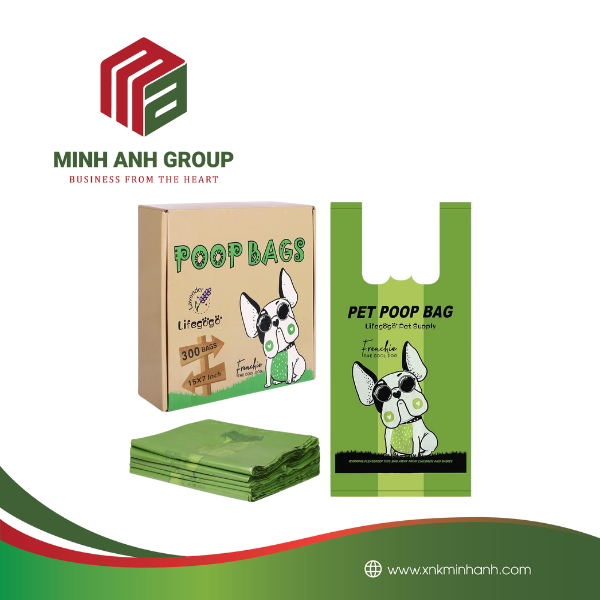
So where does this leave us? Are soil bacteria doomed to wage war against biodegradable mailers forever? Not necessarily. Scientists are constantly working on new materials that are easier for bacteria to break down, including algae-based plastics and mushroom packaging (yes, really).
In the meantime, it’s up to us humans to dispose of biodegradable mailers properly. That means checking whether they’re home-compostable or industrial-compostable and making sure they end up in the right place. Because let’s face it—soil bacteria already have enough on their plate without us making their job harder.
Conclusion: A Love Story in Progress
At the end of the day, soil bacteria and biodegradable mailers are still figuring out their relationship. It’s not perfect—there are misunderstandings, growing pains, and the occasional awkward encounter with a stubborn piece of PLA. But hey, every great love story has its ups and downs.
So next time you toss a biodegradable mailer into your compost bin, take a moment to thank the soil bacteria working tirelessly beneath the surface. They may be small, but they’re doing big things for our planet—one decomposing package at a time. Cheers to them!
Hãy là người đầu tiên nhận xét “Beneath the Surface: How Soil Bacteria Interact with Different Biodegradable Mailer Materials”
Sản phẩm tương tự

Tin Tức Bao Bì

Tin Tức Bao Bì

Tin Tức Bao Bì


Tin Tức Bao Bì


Tin Tức Bao Bì


Đánh giá
Chưa có đánh giá nào.