
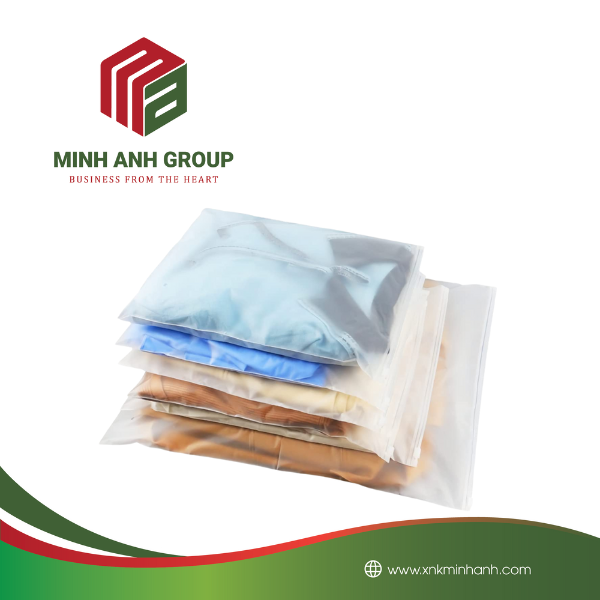
Ziplock Bags for School Projects
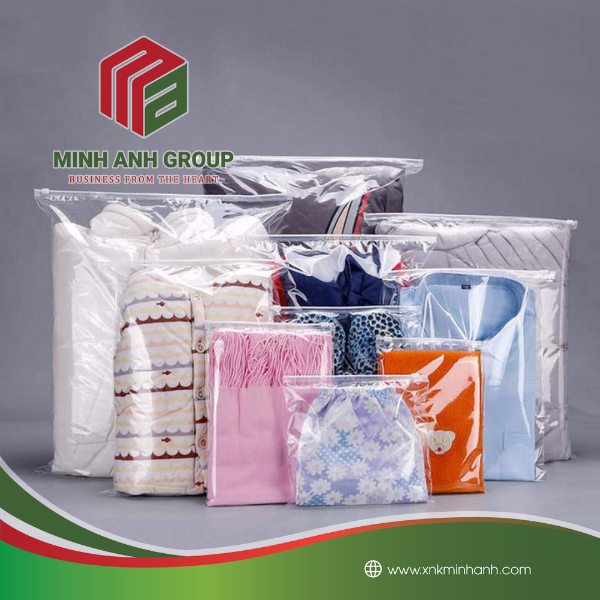
Ziplock bags, a staple in households worldwide, are often associated with food storage and organization. However, their utility extends far beyond the kitchen. In the realm of education, these simple, resealable plastic bags have proven to be invaluable tools for a wide variety of school projects. Their affordability, durability, and versatility make them a practical choice for both educators and students. This article explores how Ziplock bags can be effectively utilized in educational settings, enhancing creativity, organization, and learning outcomes.
Ziplock bags, a staple in households worldwide, are often associated with food storage and organization. However, their utility extends far beyond the kitchen. In the realm of education, these simple, resealable plastic bags have proven to be invaluable tools for a wide variety of school projects. Their affordability, durability, and versatility make them a practical choice for both educators and students. This article explores how Ziplock bags can be effectively utilized in educational settings, enhancing creativity, organization, and learning outcomes.
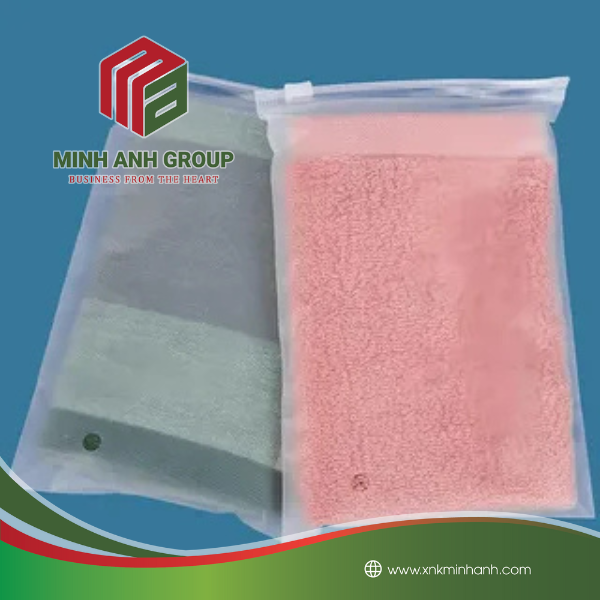
1. Organization and Storage
One of the most straightforward applications of Ziplock bags in school projects is organization. Whether it’s storing art supplies, science experiment materials, or small manipulatives for math, these bags help keep items neatly contained and easily accessible.
– Art Supplies: Students working on art projects often need to manage an array of materials such as beads, buttons, or paintbrushes. Ziplock bags allow for easy categorization and prevent items from getting lost or mixed up.
– Science Kits: For experiments requiring multiple components, such as test tubes, pipettes, or small samples, Ziplock bags serve as compact storage solutions that minimize clutter.
– Math Tools: Teachers often use manipulatives like counters, dice, or geometric shapes to teach mathematical concepts. Storing these in individual Ziplock bags ensures each student has their own set of tools.
The transparency of the bags also allows for quick identification of contents without the need to open them, saving time during busy classroom activities.
2. Portability and Convenience
School projects often require students to transport materials between home and school. Ziplock bags are lightweight and portable, making them ideal for this purpose. For example:
– Homework Assignments: Students can use Ziplock bags to carry small items needed for at-home assignments, such as flashcards or puzzle pieces.
– Group Projects: When collaborating on group projects, students can use separate bags to divide tasks and materials among team members.
– Field Trips: For outdoor learning experiences or field trips, Ziplock bags can be used to collect samples like leaves or rocks while keeping them protected.
Their resealable feature ensures that contents remain secure during transit, reducing the risk of spills or losses.
3. Creative Applications in Projects
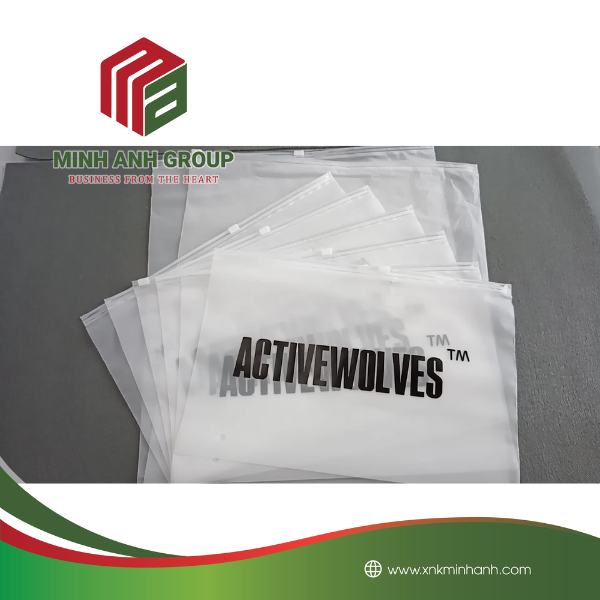
Ziplock bags are not just for storage—they can also be incorporated directly into the projects themselves. Their unique properties make them suitable for a variety of creative and hands-on activities:
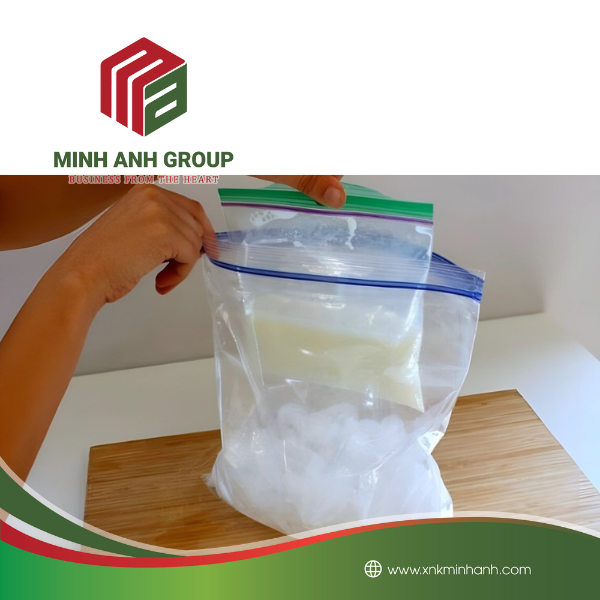
– Science Experiments: Ziplock bags are often used in experiments to demonstrate scientific principles. For instance:
– A “cloud in a bag” experiment can teach students about condensation and evaporation.
– A baking soda and vinegar reaction inside a sealed bag can illustrate chemical reactions and gas expansion.
– Art Projects: In art classes, Ziplock bags can serve as makeshift palettes for mixing paint or as tools for creating textured effects. Younger students can even use them for mess-free finger painting by sealing paint inside the bag and pressing down on it to create designs.
– Literacy Activities: For language arts projects, Ziplock bags can hold story cards or letters that students can manipulate to build sentences or practice sequencing.
4. Sustainability and Reusability
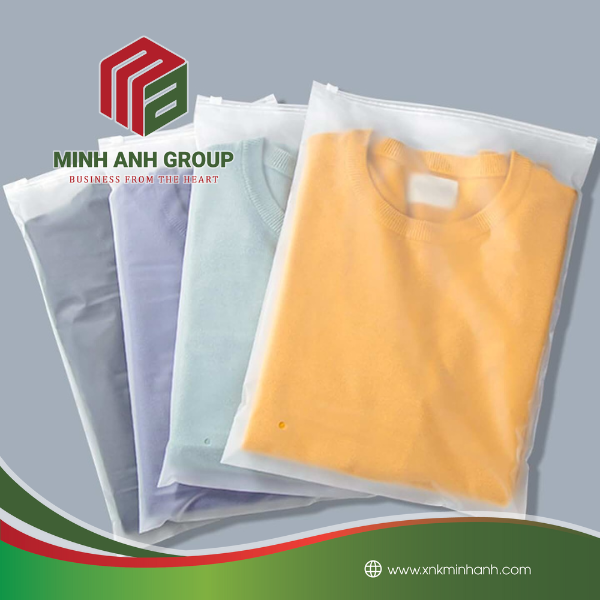
In an era where sustainability is a growing concern, the reusability of Ziplock bags is an added advantage. With proper care, these bags can be cleaned and reused multiple times, reducing waste and promoting environmentally conscious habits among students.
Teachers can encourage students to label their bags with markers or stickers to personalize them for specific projects. Once the project is complete, the bags can be repurposed for other uses, extending their lifespan and utility.
5. Cost-Effectiveness
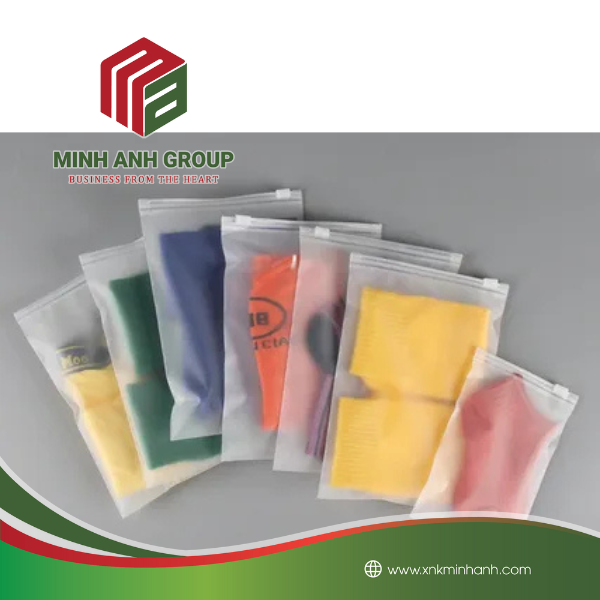
Budget constraints are a common challenge in schools, making cost-effective solutions essential. Ziplock bags are an economical choice that offers significant value for their price. Available in various sizes, they can accommodate a wide range of project needs without requiring additional investment in expensive storage containers or specialized tools.
6. Safety Considerations
When using Ziplock bags in educational settings, it’s important to consider safety guidelines. Teachers should ensure that younger students are supervised when handling plastic materials to prevent accidental misuse. Additionally, using BPA-free bags can provide added peace of mind regarding potential health concerns.
Ziplock bags are far more than just household storage items; they are versatile tools that can simplify and enhance school projects across disciplines. From organizing materials to serving as integral components of creative activities, these resealable bags offer endless possibilities for educators and students alike. Their affordability, portability, and reusability make them an indispensable resource in any classroom or home learning environment.
By integrating Ziplock bags into school projects, educators can foster a more organized and engaging learning experience while teaching students the value of resourcefulness and sustainability.
Hãy là người đầu tiên nhận xét “Ziplock Bags for School Projects”
Sản phẩm tương tự

Tin Tức Bao Bì


Tin Tức Bao Bì


Tin Tức Bao Bì


Tin Tức Bao Bì

Tin Tức Bao Bì


Đánh giá
Chưa có đánh giá nào.