
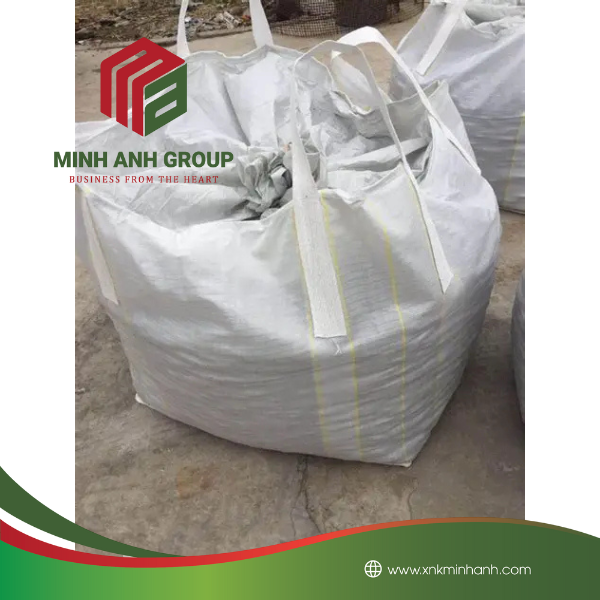
Zero-Waste FIBC Ecosystems: Closed-Loop Recycling Systems for Bulk Packaging
So, what does the future hold for these eco-friendly giants? Well, if all goes according to plan, zero-waste FIBC ecosystems could revolutionize the world of bulk packaging. Imagine a world where every bulk bag is part of a closed-loop system—where nothing goes to waste and everything gets reused. It’s like a utopia for polypropylene enthusiasts.
Let’s face it: the planet is kind of a mess right now. From plastic pollution taking over our oceans to landfills growing faster than your neighbor’s suspiciously green lawn, it can feel like we’re living in an apocalyptic episode of a reality TV show. But fear not, eco-warriors! There’s a hero in town, and it’s not wearing a cape—it’s wearing polypropylene. That’s right, we’re talking about Zero-Waste FIBC Ecosystems. If you’re scratching your head wondering what FIBC stands for, don’t worry; you’re not alone. It’s the fancy acronym for Flexible Intermediate Bulk Containers, or as I like to call them, “giant bags that carry a ton of stuff.”
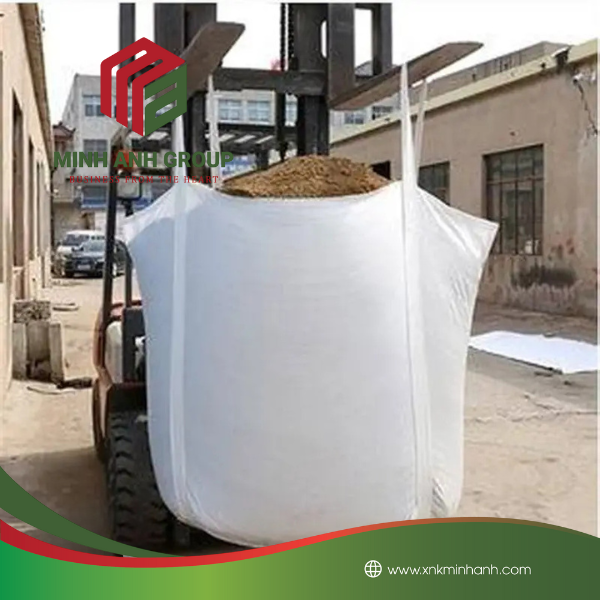
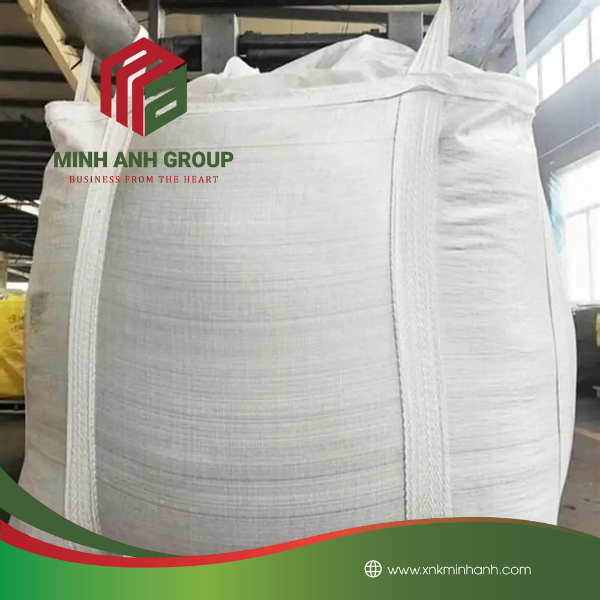
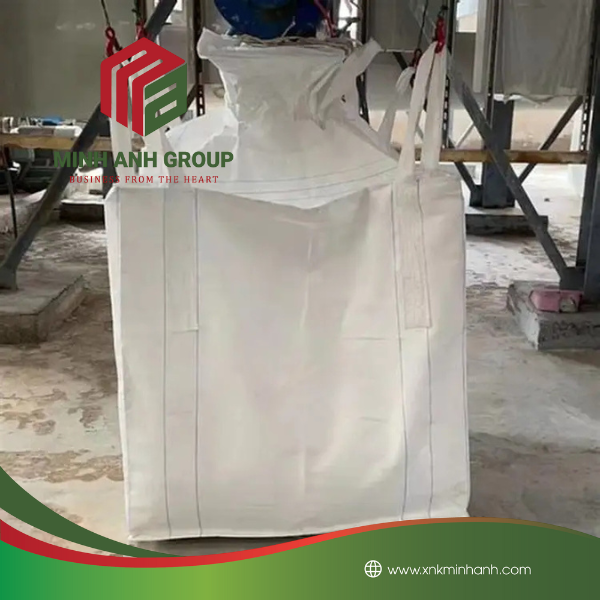
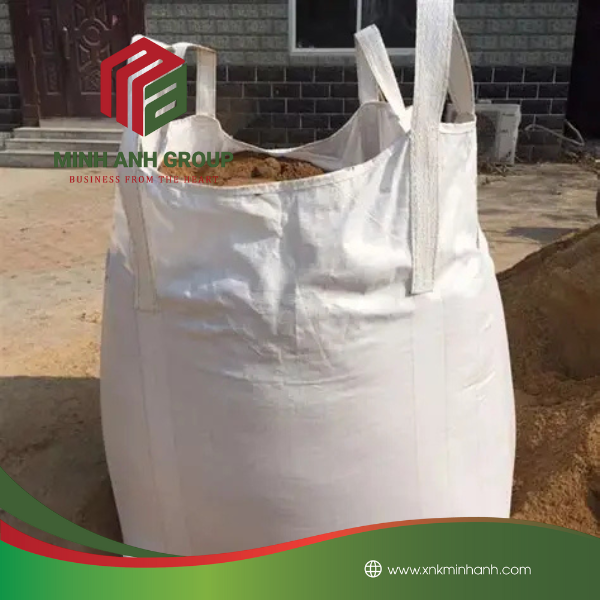
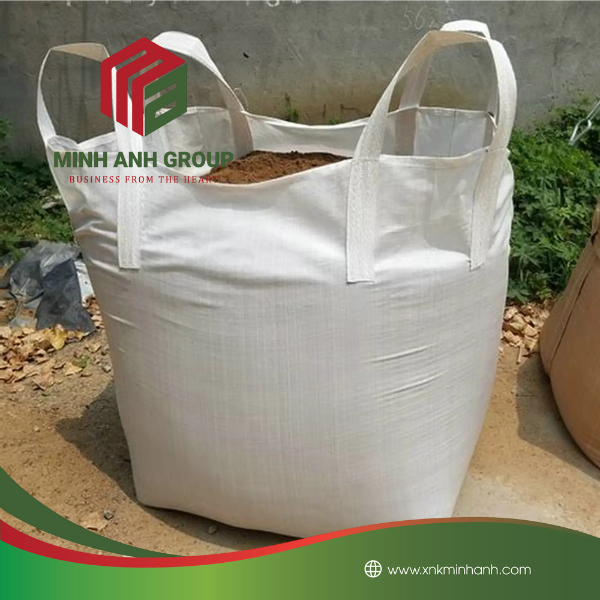
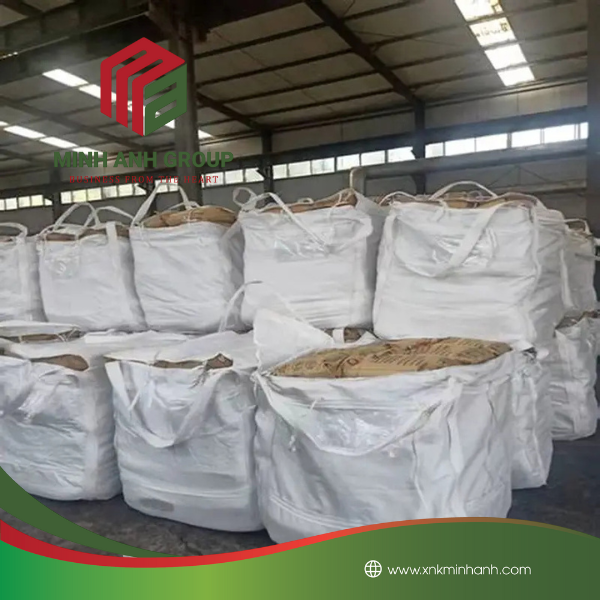
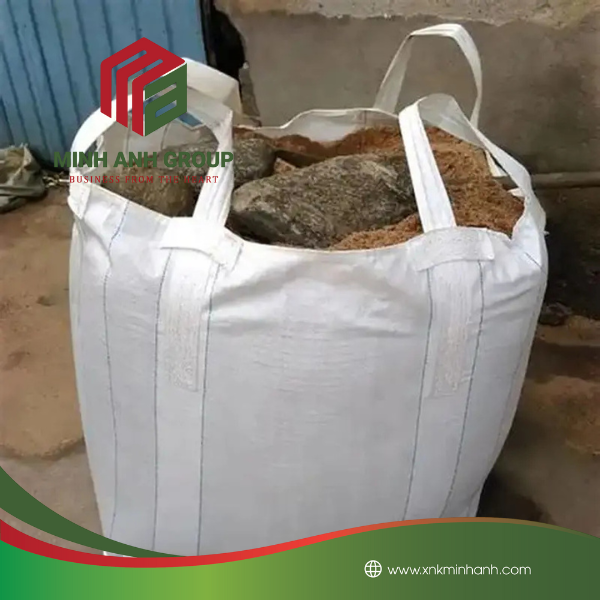
So, what makes these bulk bags so special? Well, imagine if your reusable grocery tote bag hit the gym, bulked up, and decided to save the world. That’s basically an FIBC. These bad boys are used to transport everything from grains to chemicals to mysterious powders that make you question your life choices. But here’s the kicker: with closed-loop recycling systems, these bulk bags are turning into the MVPs of sustainable packaging.
What Is a Closed-Loop Recycling System? (And Why Should You Care?)
A closed-loop recycling system is like the ultimate zero-waste party trick. Instead of throwing things away and letting them rot in a landfill (gross), this system takes used materials, recycles them, and turns them into shiny new products. It’s like giving your trash a makeover—think “Extreme Makeover: Packaging Edition.” For FIBCs, this means that after they’ve lived their best life hauling bulk goods, they can be collected, cleaned, shredded, and transformed into new bags or other useful products. It’s the circle of life, but for polypropylene.
Why should you care? Well, aside from the obvious “saving the planet” thing, closed-loop systems reduce waste, save resources, and make you look super cool at parties when you casually drop terms like “circular economy.” You’re welcome.
The Comedy of Bulk Bag Recycling
Let’s be real: recycling isn’t always glamorous. Sometimes it involves sorting smelly trash or trying to figure out if that greasy pizza box is recyclable (spoiler alert: it’s not). But when it comes to FIBC recycling, things get a little more interesting—and hilarious.
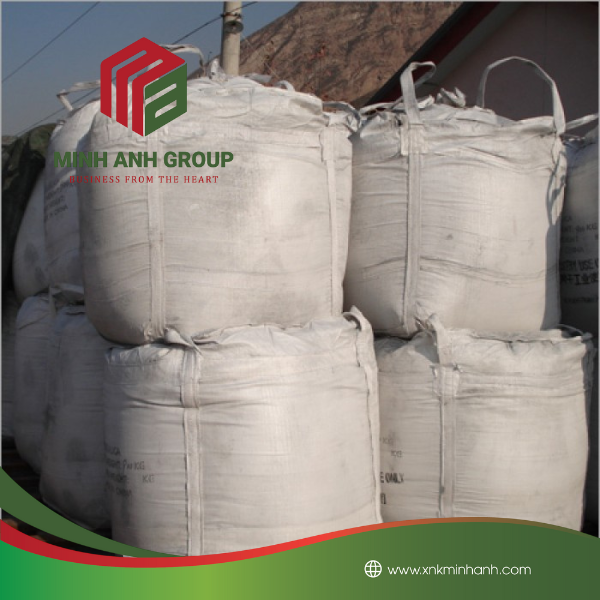
First, there’s the collection process. Imagine a team of eco-warriors swooping in to gather used bulk bags from warehouses and factories. It’s like an action movie, but with less explosions and more forklifts. Once the bags are collected, they’re cleaned and inspected. And let me tell you—some of these bags have seen things. They’ve carried everything from food-grade sugar to industrial chemicals, so cleaning them is no small feat. It’s basically the spa day they deserve after hauling literal tons of stuff.
Next comes the shredding process. Picture giant machines chomping down on old bulk bags like they’re munching on potato chips. It’s oddly satisfying and slightly terrifying at the same time. The shredded material is then melted down and turned into new polypropylene pellets, which are used to create fresh FIBCs or other products. It’s recycling magic—and honestly, it’s way cooler than pulling a rabbit out of a hat.
Why Bulk Bags Are Better Than Your Average Trash
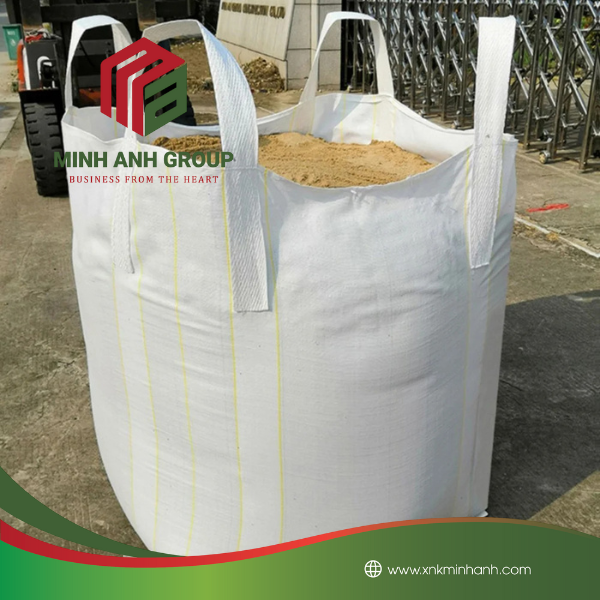
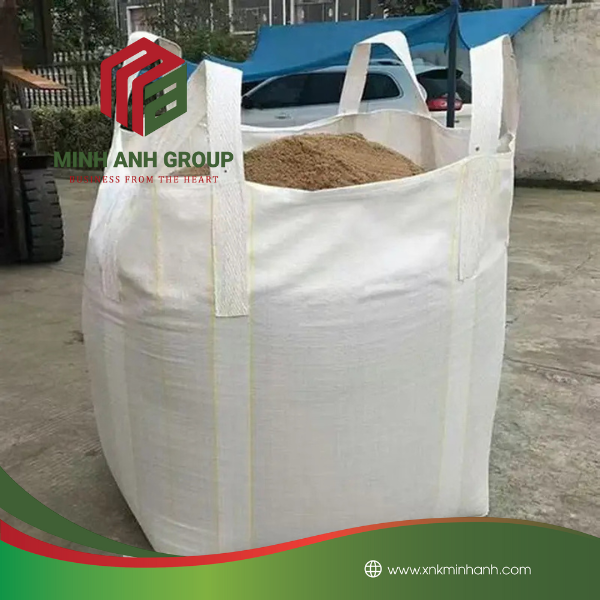
Let’s take a moment to appreciate just how awesome FIBCs are compared to regular packaging materials. First off, they’re reusable. Unlike single-use plastic bags that end up clogging waterways and strangling turtles (poor turtles), bulk bags can be used multiple times before they need recycling. They’re also incredibly durable—seriously, these bags could probably survive a zombie apocalypse.
But the real cherry on top? Their recyclability. While most packaging materials end up in landfills or incinerators (yikes), FIBCs can be recycled into new products again and again. It’s like they’ve discovered the secret to immortality—and it doesn’t involve drinking kale smoothies.
The Future of Zero-Waste FIBC Ecosystems
So, what does the future hold for these eco-friendly giants? Well, if all goes according to plan, zero-waste FIBC ecosystems could revolutionize the world of bulk packaging. Imagine a world where every bulk bag is part of a closed-loop system—where nothing goes to waste and everything gets reused. It’s like a utopia for polypropylene enthusiasts.
Of course, there are challenges to overcome. Not all regions have access to advanced recycling facilities, and some industries are still stuck in their old wasteful ways (looking at you, single-use plastics). But with more companies jumping on the sustainability bandwagon and consumers demanding greener solutions, the future looks bright—and slightly less trashy.
Conclusion: Bulk Bags Are Saving the World (One Laugh at a Time)
In conclusion, Zero-Waste FIBC Ecosystems are proof that saving the planet doesn’t have to be boring. Whether it’s watching giant shredding machines in action or imagining bulk bags living their best recycled lives, there’s plenty of humor to be found in sustainability. So next time you see one of those massive bulk bags hauling goods across a warehouse, give it a little nod of appreciation. After all, it might just be part of the closed-loop revolution that saves us all—and gives us something to laugh about along the way.
Hãy là người đầu tiên nhận xét “Zero-Waste FIBC Ecosystems: Closed-Loop Recycling Systems for Bulk Packaging”
Sản phẩm tương tự

Tin Tức Bao Bì

Tin Tức Bao Bì

Tin Tức Bao Bì

Tin Tức Bao Bì

Tin Tức Bao Bì

Tin Tức Bao Bì

Tin Tức Bao Bì


Đánh giá
Chưa có đánh giá nào.