
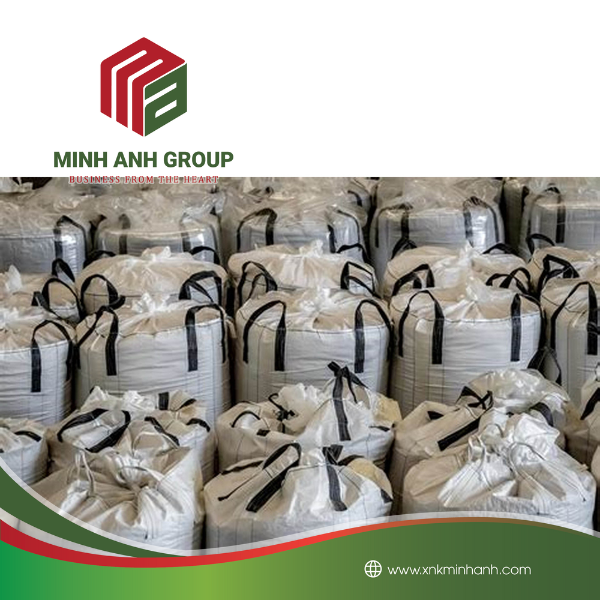
What Are the Emerging Trends in FIBC Bag Usage?

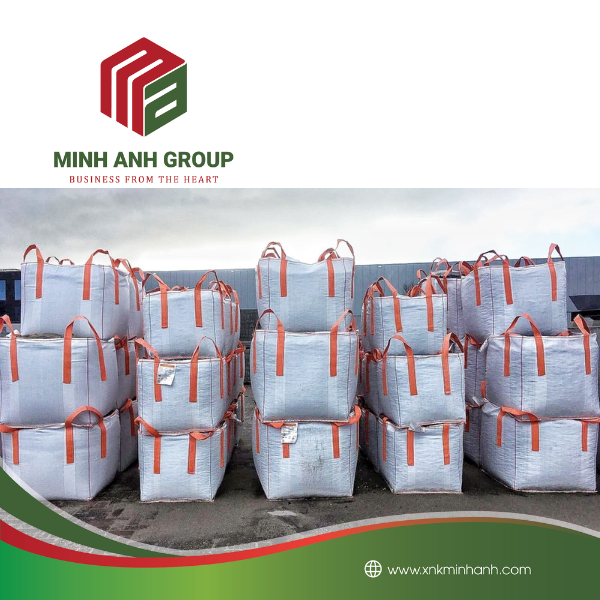
Flexible Intermediate Bulk Containers (FIBCs), also known as bulk bags, have long been a staple in industries requiring efficient, cost-effective, and safe solutions for transporting and storing bulk materials. From agriculture to construction, these versatile bags have proven indispensable. However, as industries evolve and global demands shift, new trends in FIBC bag usage are emerging, driven by advancements in technology, environmental concerns, and changing market dynamics. Below, we explore some of the most significant emerging trends shaping the future of FIBC bags.
Flexible Intermediate Bulk Containers (FIBCs), also known as bulk bags, have long been a staple in industries requiring efficient, cost-effective, and safe solutions for transporting and storing bulk materials. From agriculture to construction, these versatile bags have proven indispensable. However, as industries evolve and global demands shift, new trends in FIBC bag usage are emerging, driven by advancements in technology, environmental concerns, and changing market dynamics. Below, we explore some of the most significant emerging trends shaping the future of FIBC bags.
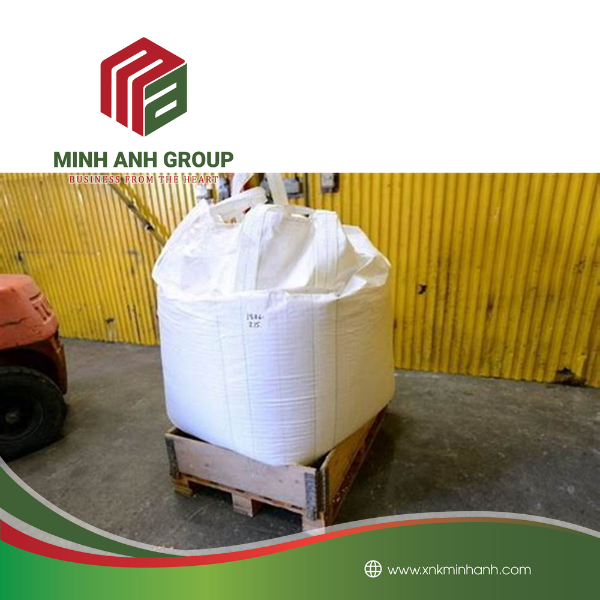
1. Sustainability and Eco-Friendly Materials
One of the most prominent trends in FIBC bag usage is the growing emphasis on sustainability. With increasing awareness of environmental issues and stricter regulations on plastic waste, manufacturers and end-users are seeking eco-friendly alternatives. This has led to the development of recyclable and biodegradable FIBC bags.
Many companies are now adopting FIBCs made from recycled polypropylene or incorporating additives that enhance biodegradability. Additionally, reusable FIBC bags are gaining popularity as businesses aim to reduce their carbon footprint and support circular economy initiatives.
2. Customization for Specific Applications
Industries are demanding more specialized solutions tailored to their unique needs. As a result, customization has become a key trend in FIBC bag manufacturing. Whether it’s designing bags with specific dimensions, incorporating liners for moisture protection, or adding features like spouts and loops for easy handling, manufacturers are offering highly tailored options.
For instance, the food and pharmaceutical industries require FIBCs that adhere to strict hygiene standards. Bags designed for these sectors often include food-grade liners, anti-static properties, and certifications such as ISO 22000 or HACCP compliance.

3. Enhanced Safety Features
Safety remains a top priority in industries using FIBCs, particularly when handling hazardous or sensitive materials. Recent advancements have focused on improving safety features to minimize risks during transport and storage.
One notable innovation is the rise of anti-static and conductive FIBC bags. These bags are designed to dissipate static electricity, reducing the risk of fires or explosions when handling flammable materials. Similarly, UN-certified FIBCs are becoming more common for transporting dangerous goods, ensuring compliance with international safety standards.
4. Integration of Smart Technologies
The adoption of smart technologies in FIBC bag manufacturing is another emerging trend reshaping the industry. RFID (Radio Frequency Identification) and QR code integration are being used to enhance traceability and inventory management. These technologies allow users to track the movement of bulk materials in real-time, improving supply chain efficiency.
Additionally, sensors embedded in FIBCs can monitor environmental conditions such as temperature and humidity during transport. This is particularly valuable for industries like agriculture and pharmaceuticals, where product quality can be impacted by storage conditions.
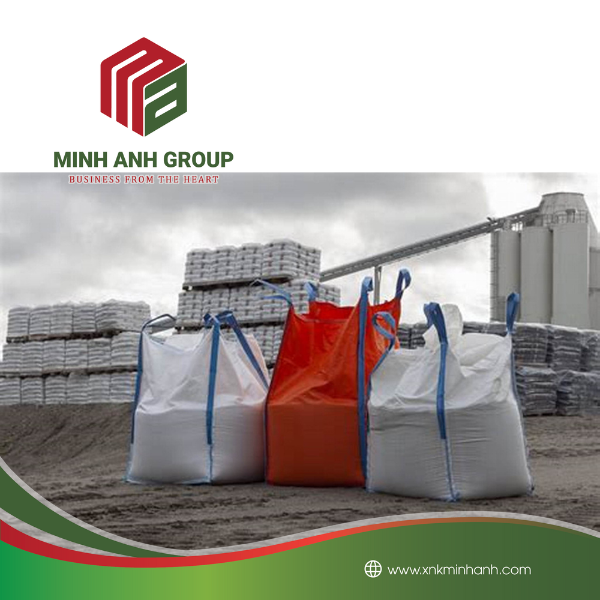
5. Lightweight and High-Strength Designs
Advances in material science have enabled the production of lightweight yet highly durable FIBC bags. These innovations reduce transportation costs while maintaining the strength required to carry heavy loads. High-strength designs also improve the longevity of reusable FIBCs, making them a more sustainable option.
For example, woven polypropylene fabrics with enhanced tensile strength are being used to create stronger yet lighter bags. This not only improves load capacity but also reduces wear and tear during repeated use.
6. Growth in E-Commerce and Small-Scale Applications
The rise of e-commerce has influenced many industries, including the FIBC sector. With small-scale businesses and online retailers requiring bulk packaging solutions for shipping large quantities of goods, demand for smaller-capacity FIBCs is growing.
Mini bulk bags and smaller FIBCs designed for e-commerce applications are becoming increasingly popular. These bags offer the same benefits as traditional bulk bags—such as durability and cost-efficiency—but cater to businesses with lower volume requirements.
7. Focus on Cost Efficiency
In an era of rising raw material costs and global supply chain challenges, cost efficiency is a critical concern for businesses. Manufacturers are exploring ways to optimize production processes and reduce waste without compromising quality.
Innovations like automated weaving machines and advanced stitching techniques are helping to streamline production while maintaining high standards. Additionally, businesses are adopting multi-use FIBCs to minimize costs associated with single-use packaging.
8. Globalization and Standardization
As global trade continues to expand, the need for standardized packaging solutions has become more apparent. FIBCs that comply with international standards such as ISO 21898 or UN regulations are increasingly in demand. These certifications ensure that bulk bags meet safety and performance criteria across different markets.
Standardization also facilitates smoother cross-border transactions by reducing variability in packaging specifications. This trend is particularly important for multinational companies operating in diverse regions.
9. Increased Adoption in Emerging Markets
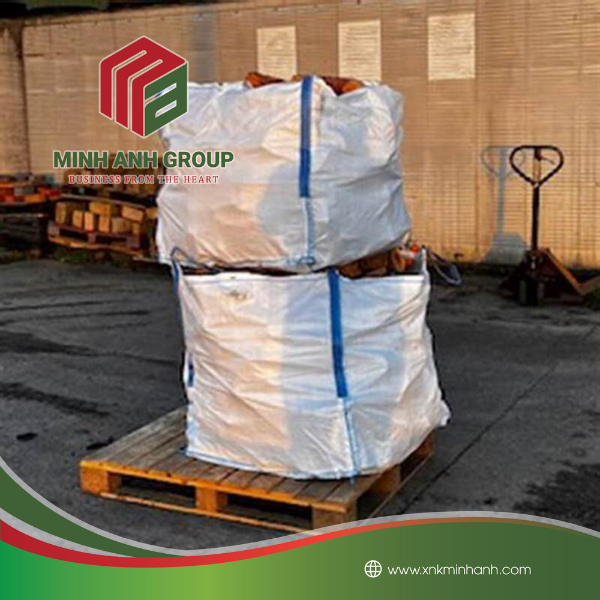
Emerging markets in Asia, Africa, and South America are witnessing rapid industrialization and urbanization, driving demand for efficient bulk packaging solutions like FIBCs. Industries such as agriculture, mining, and construction in these regions are increasingly turning to bulk bags for their cost-effectiveness and versatility.
To cater to these growing markets, manufacturers are expanding their presence in developing regions and offering localized solutions tailored to specific industry needs.
10. Focus on Branding and Aesthetics
While functionality remains the primary focus of FIBC bags, branding has become an important consideration for many businesses. Custom printing options allow companies to display their logos, product information, or safety instructions directly on the bags.
This trend is particularly relevant in competitive industries where branding plays a key role in market differentiation. High-quality printing techniques ensure that designs remain clear and durable even under harsh conditions.
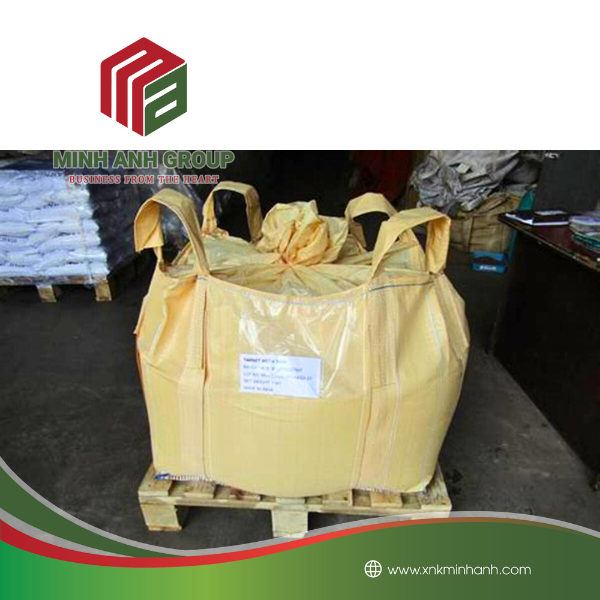
The evolution of FIBC bag usage reflects broader trends shaping industries worldwide—sustainability, technological innovation, safety, and cost efficiency. As businesses continue to adapt to changing market demands and environmental challenges, FIBCs will remain a critical component of bulk material handling solutions.
By embracing these emerging trends, manufacturers and end-users alike can unlock new opportunities for growth while contributing to a more sustainable and efficient future. Whether through smart technologies, eco-friendly materials, or customized designs, the future of FIBC bags is both innovative and promising.
Hãy là người đầu tiên nhận xét “What Are the Emerging Trends in FIBC Bag Usage?”
Sản phẩm tương tự

Tin Tức Bao Bì


Tin Tức Bao Bì

Tin Tức Bao Bì

Tin Tức Bao Bì

Tin Tức Bao Bì

Tin Tức Bao Bì

Tin Tức Bao Bì


Đánh giá
Chưa có đánh giá nào.