
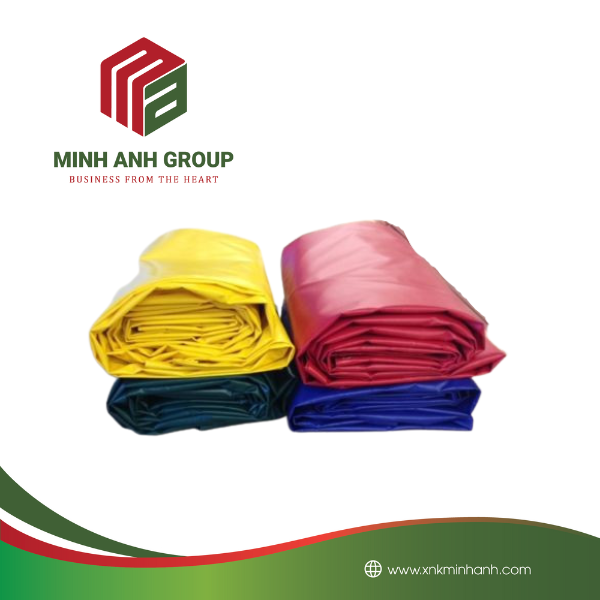
Versatile Uses of Large Tarpaulin in Construction and Agriculture


If large tarpaulins had personalities, they’d be the resourceful friend who always has a solution to your problems—whether it’s patching up a leaky roof or shielding your prized tomatoes from hailstorms. They might not win beauty contests or get featured on magazine covers, but they’re the backbone of many industries, quietly making life easier for workers and farmers alike.
When it comes to unsung heroes in the realm of construction and agriculture, large tarpaulins deserve a standing ovation. These oversized sheets of durable material may not have the glamour of high-tech machinery or the allure of shiny tools, but their versatility and practicality make them indispensable. Let’s dive into the many ways these mighty tarps save the day—and sometimes even the bacon—on construction sites and farms alike.
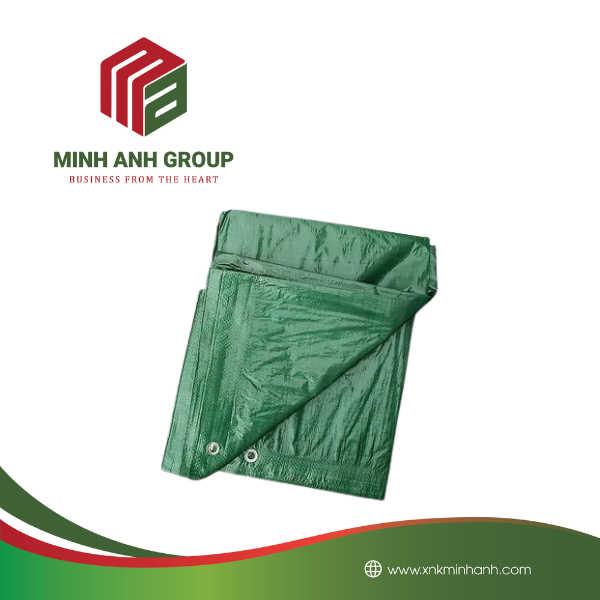
The Construction Site Savior
Picture this: a construction site bustling with activity, workers hammering away, and heavy machinery rumbling like a herd of mechanical elephants. Suddenly, dark clouds roll in, threatening to turn everything into a soggy mess. Enter the large tarpaulin—a superhero in sheet form. With a quick unfurling, it transforms into a rain shield, protecting valuable building materials from water damage.
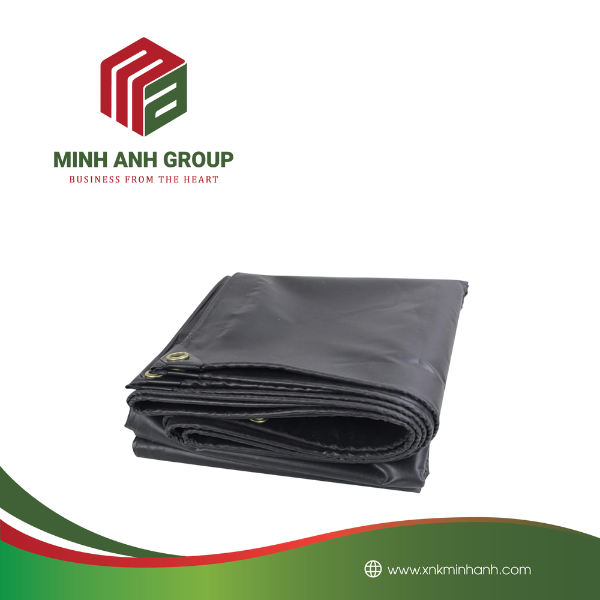
But tarps don’t stop at playing weather warrior. They’re also great at keeping dust and debris contained. When demolition work kicks up clouds of chaos, a strategically placed tarp acts like a giant sneeze guard for the environment. It’s like saying, “Hey, Mother Nature, we’ve got this under control.”
Need a temporary roof? No problem! Large tarpaulins can be rigged up to provide shelter during construction delays or emergency repairs. They’re like the duct tape of the building world—always there when you need them.

Agriculture’s Best Friend
On the farm, large tarpaulins are equally indispensable. Imagine you’re a farmer who’s just harvested a bumper crop of hay or grain. You need to store it safely, away from rain, wind, and opportunistic critters with big appetites. Cue the tarp! It’s like a giant blanket that says, “Hands off, nature!”
Tarps also shine during planting season. Farmers use them to cover soil beds, helping retain moisture and prevent pesky weeds from crashing the party. It’s like rolling out the red carpet for crops while keeping gatecrashers at bay.
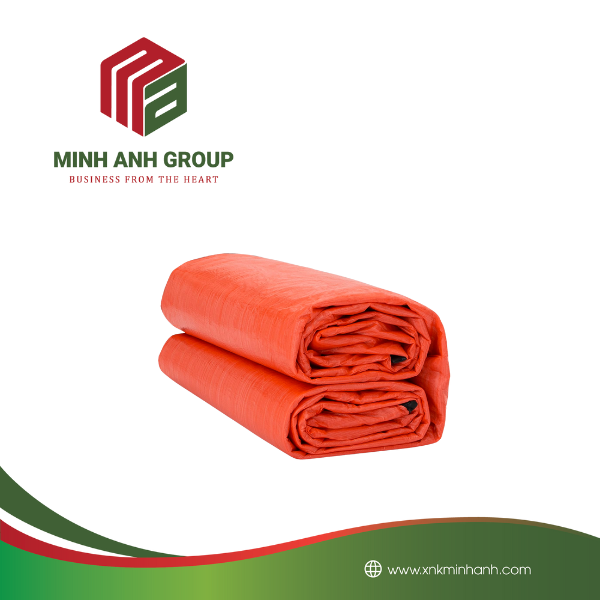
And let’s not forget livestock. Got cows or sheep that need temporary shelter? A sturdy tarp can be rigged into a makeshift barn faster than you can say “moo.” It’s not fancy, but it gets the job done—a true testament to function over form.
The Swiss Army Knife of Fabrics
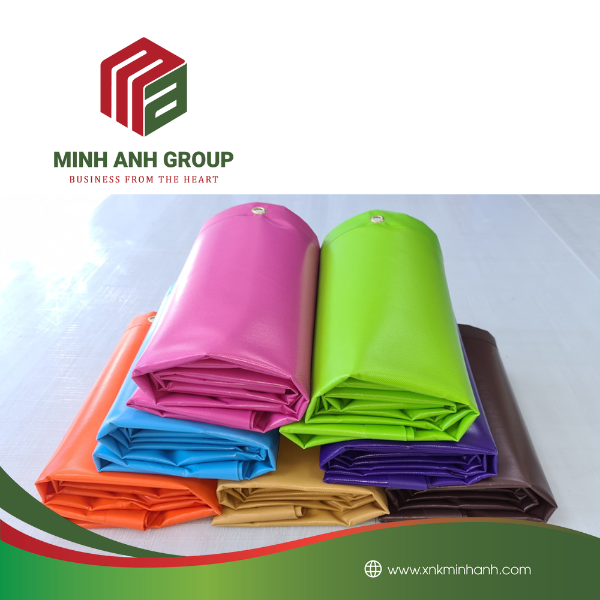
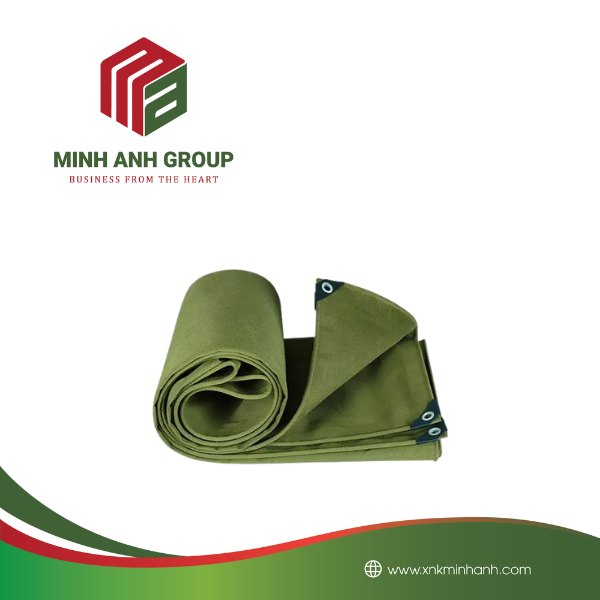
What makes large tarpaulins so versatile? Their durability, waterproof nature, and resistance to wear and tear are key. Whether made of polyethylene, canvas, or vinyl, these materials are tough enough to withstand harsh conditions yet light enough to be easily maneuvered.
Need to transport goods? Wrap them in a tarp for safe travels. Hosting an outdoor event? Use tarps as ground covers or canopy covers to keep things clean and dry. Want to try your hand at DIY? Tarps can be repurposed into anything from slip-and-slides to art canvases. The possibilities are endless—well, almost. Let’s not try making formal wear out of them unless you’re aiming for avant-garde fashion.
A Tarp Tale Worth Telling
If large tarpaulins had personalities, they’d be the resourceful friend who always has a solution to your problems—whether it’s patching up a leaky roof or shielding your prized tomatoes from hailstorms. They might not win beauty contests or get featured on magazine covers, but they’re the backbone of many industries, quietly making life easier for workers and farmers alike.
So next time you see one flapping in the wind at a construction site or stretched across a field on a farm, give it a nod of appreciation. Behind every successful project or harvest is a hardworking tarp doing its job without complaint—because when it comes to versatility, these sheets are hard to beat!
In conclusion, large tarpaulins may not have capes, but they’re definitely heroes in their own right.
Hãy là người đầu tiên nhận xét “Versatile Uses of Large Tarpaulin in Construction and Agriculture”
Sản phẩm tương tự

Tin Tức Bao Bì

Tin Tức Bao Bì

Tin Tức Bao Bì


Tin Tức Bao Bì

Tin Tức Bao Bì


Đánh giá
Chưa có đánh giá nào.