

The Ultimate Guide to Choosing the Best Sand Bags for Flood Control
Flooding is one of the most unpredictable and damaging natural disasters, often leaving homeowners and businesses scrambling to protect their properties. One of the simplest yet most effective tools in flood prevention is the humble sandbag. While they may seem straightforward, not all sandbags are created equal. Choosing the right type can make a significant difference in how well you safeguard your property. In this guide, we’ll walk you through everything you need to know to choose the best sandbags for flood control.
Flooding is one of the most unpredictable and damaging natural disasters, often leaving homeowners and businesses scrambling to protect their properties. One of the simplest yet most effective tools in flood prevention is the humble sandbag. While they may seem straightforward, not all sandbags are created equal. Choosing the right type can make a significant difference in how well you safeguard your property. In this guide, we’ll walk you through everything you need to know to choose the best sandbags for flood control.
Why Sandbags Are Essential for Flood Control
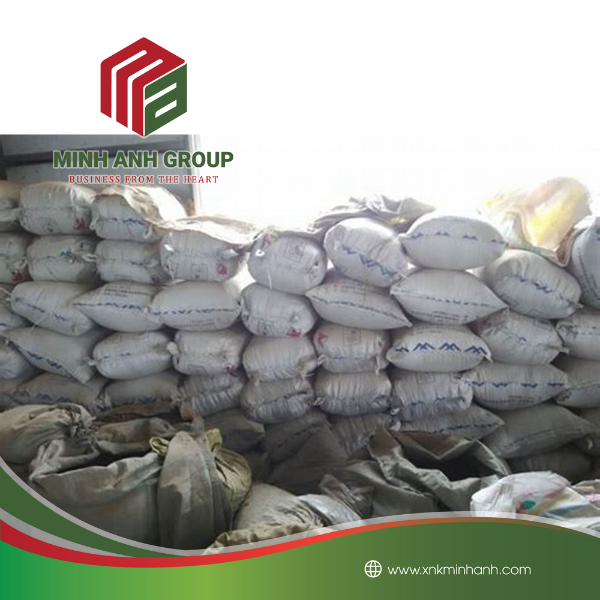
Sandbags have been a trusted method for controlling water flow and preventing flood damage for centuries. Their effectiveness lies in their simplicity: when filled with sand or other materials, they act as a barrier to divert or block water. Whether you’re dealing with rising river levels, storm surges, or heavy rainfall, sandbags can quickly and efficiently provide protection.
Their versatility also makes them a go-to solution. You can stack them to build walls, use them to weigh down tarps, or even create temporary dams. They’re affordable, easy to store, and accessible, making them an essential item for anyone living in flood-prone areas.

Types of Sandbags
While the traditional burlap bag filled with sand is still widely used, modern innovations have introduced new materials and designs that cater to different needs. Let’s take a closer look at the main types of sandbags available:
1. Burlap Sandbags
Burlap sandbags are the classic choice and have been used for decades. Made from natural fibers, these bags are biodegradable and environmentally friendly. However, they do have a shorter lifespan compared to synthetic options, as they degrade quickly when exposed to moisture and sunlight.
Best For: Short-term flood control and environmentally-conscious users.
2. Polypropylene Sandbags
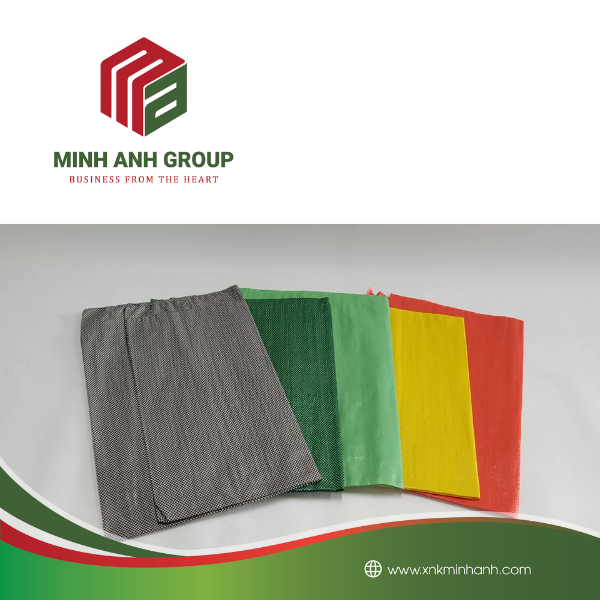
Polypropylene sandbags are made from a durable synthetic material that resists water and UV rays. These are lightweight, cost-effective, and longer-lasting than burlap bags. They’re especially popular for long-term flood control or repeated use.
Best For: Long-term projects or areas prone to frequent flooding.
3. Self-Inflating Sandbags
Self-inflating sandbags are a modern alternative that eliminates the need for filling bags with sand. These bags contain a super-absorbent polymer that expands when exposed to water, making them lightweight and easy to store before use. They’re incredibly convenient but can be more expensive than traditional options.
Best For: Quick deployment during emergencies or when space is limited for storage.

4. Heavy-Duty Sandbags
For extreme situations or high-pressure water flow, heavy-duty sandbags made from reinforced materials like PVC or canvas are ideal. These bags are designed to withstand harsh conditions and can be reused multiple times.
Best For: Industrial use or areas with severe flooding risks.

Factors to Consider When Choosing Sandbags
Selecting the right sandbag isn’t just about picking a material—it’s about understanding your specific needs and circumstances. Here are some key factors to keep in mind:
1. Flood Severity
Assess the level of flooding you’re expecting. For minor water diversion, standard burlap or polypropylene bags may suffice. For more severe flooding, consider heavy-duty or self-inflating options for added protection.
2. Duration of Use
If you need a temporary solution, biodegradable burlap bags might be perfect. However, if you anticipate needing flood protection over several weeks or months, opt for polypropylene or heavy-duty bags that won’t degrade as quickly.
3. Ease of Deployment
In an emergency, time is of the essence. Self-inflating sandbags are ideal for quick deployment since they don’t require filling. Traditional bags may take longer to prepare but are often more cost-effective if you have time on your side.
4. Environmental Impact
If sustainability is a priority, look for biodegradable options like burlap bags or ensure proper disposal of synthetic bags after use to minimize environmental harm.

5. Cost
Budget constraints can play a significant role in your decision-making process. Burlap and polypropylene bags are generally more affordable, while self-inflating and heavy-duty options come with a higher price tag but offer added convenience and durability.
How to Fill and Use Sandbags Effectively

Once you’ve chosen the right sandbag, proper usage is crucial for maximum effectiveness. Here’s a quick step-by-step guide:
1. Filling the Bags: Fill sandbags about two-thirds full so they can mold tightly when stacked. Overfilling makes them harder to stack and less effective at blocking water.
2. Placement: Lay the first layer of sandbags flat on the ground, overlapping each bag slightly like bricks in a wall. This ensures there are no gaps for water to seep through.
3. Stacking: Build layers by staggering each row, similar to how bricks are laid in construction. This creates a stronger barrier against water pressure.
4. Sealing Gaps: Use plastic sheeting or tarps between layers for added water resistance, especially in high-risk areas.
5. Maintenance: Check your sandbag walls regularly during flooding to ensure they remain intact and adjust as needed if water starts seeping through gaps.
Frequently Asked Questions (FAQs)
Q: Can I reuse sandbags after a flood?
A: It depends on the type of sandbag and its condition after use. Polypropylene and heavy-duty bags can often be reused if they’re still intact, while burlap bags typically degrade after exposure to moisture and may not be reusable. Always ensure that used sand doesn’t contain contaminants before repurposing it.
Q: What can I use if I don’t have access to sand?
A: In emergencies, you can fill sandbags with other materials like soil or gravel. However, keep in mind that these alternatives may not be as effective as sand in blocking water.
Q: How many sandbags do I need?
A: The number of sandbags required will depend on the area you need to protect and the height of the barrier you want to create. As a general rule, calculate the length and height of your desired wall and consult a guide or professional for accurate estimates.

When it comes to flood control, preparation is key—and choosing the right sandbag is an essential part of that preparation. By considering factors like material, ease of use, and environmental impact, you can select the best option for your needs and ensure your property is well-protected.
Remember, while sandbags are an effective tool, they’re just one part of a comprehensive flood prevention plan. Pair them with other protective measures like drainage systems or waterproof barriers for maximum security.
Stay safe, stay prepared, and don’t let flooding catch you off guard!
Hãy là người đầu tiên nhận xét “The Ultimate Guide to Choosing the Best Sand Bags for Flood Control”
Sản phẩm tương tự


Tin Tức Bao Bì

Tin Tức Bao Bì

Tin Tức Bao Bì

Tin Tức Bao Bì


Đánh giá
Chưa có đánh giá nào.