
The Science Behind Plastic Granules


The science behind plastic granules also involves considerations of environmental impact and sustainability. With increasing concerns about plastic pollution and waste management, there is a growing focus on developing eco-friendly alternatives to traditional plastic materials. This has led to the development of biodegradable and compostable plastic granules made from renewable sources such as corn starch or sugarcane. These bio-based plastics offer a more sustainable option for various applications while reducing reliance on non-renewable resources.
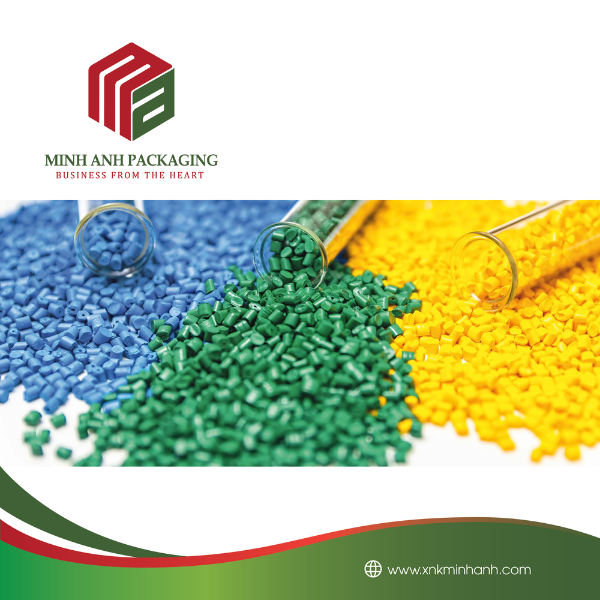
Plastic granules are a fundamental component of the plastic manufacturing industry, serving as the raw material for a wide range of plastic products. These small, spherical particles are typically made from various types of plastic resins, such as polyethylene, polypropylene, and polystyrene. The science behind plastic granules involves a complex process of polymerization, compounding, and pelletization, which ultimately transforms raw plastic resins into the versatile and essential material used in countless applications.
The production of plastic granules begins with the polymerization of plastic resins. Polymerization is a chemical process in which monomers, the building blocks of polymers, are chemically bonded together to form long chains of molecules known as polymers. This process can be initiated through various methods, including heat, pressure, or the use of catalysts. The resulting polymer chains form the basis of the plastic material and determine its properties, such as strength, flexibility, and durability.
Once the polymerization process is complete, the resulting polymer is typically in the form of a resin, which is then processed further to create plastic granules. This is achieved through compounding, a process in which various additives and fillers are mixed with the polymer resin to enhance its properties and performance. Additives such as colorants, UV stabilizers, and flame retardants can be incorporated to impart specific characteristics to the plastic granules, making them suitable for different applications.
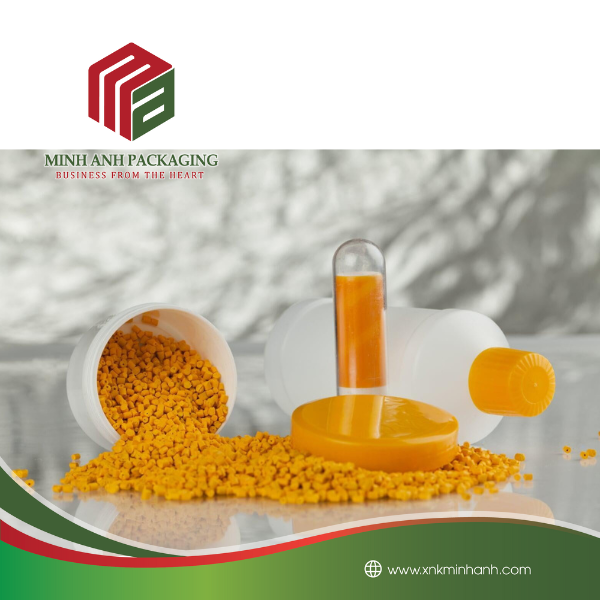
After compounding, the resin mixture is melted and forced through a die to form long strands of plastic known as extrudate. This extrudate is then cut into small, uniform pellets using a pelletizer, resulting in the final plastic granules. The size and shape of the granules can be customized to meet specific requirements, allowing for versatility in their use across different manufacturing processes.
The science behind plastic granules also involves considerations of environmental impact and sustainability. With increasing concerns about plastic pollution and waste management, there is a growing focus on developing eco-friendly alternatives to traditional plastic materials. This has led to the development of biodegradable and compostable plastic granules made from renewable sources such as corn starch or sugarcane. These bio-based plastics offer a more sustainable option for various applications while reducing reliance on non-renewable resources.
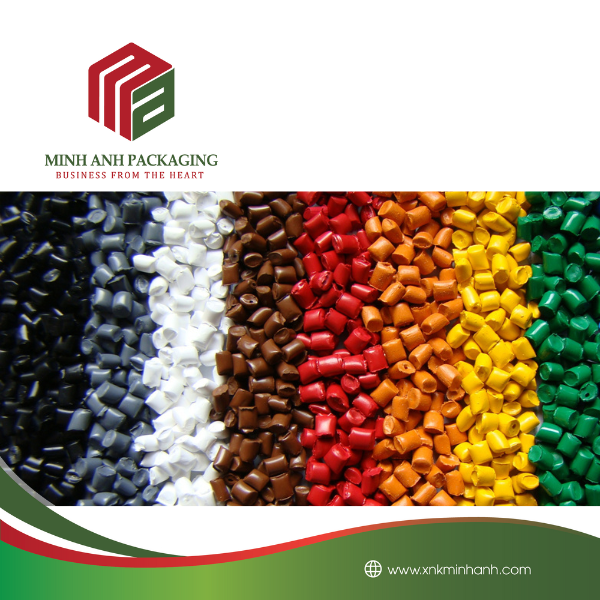
In addition to environmental considerations, the science behind plastic granules also encompasses research and development efforts aimed at improving the performance and recyclability of plastic materials. Innovations in polymer chemistry and material science have led to the development of advanced plastics with enhanced properties, such as increased strength, heat resistance, and chemical stability. Furthermore, advancements in recycling technologies have enabled the reprocessing of used plastic granules into new products, contributing to a more circular and sustainable approach to plastic production.
The applications of plastic granules are diverse and extensive, spanning industries such as packaging, automotive, construction, electronics, and consumer goods. Plastic granules are used to manufacture a wide range of products, including bottles, containers, pipes, films, automotive components, and household appliances. Their versatility and customizable properties make them an indispensable material in modern manufacturing processes, offering cost-effective solutions for various design and production requirements.
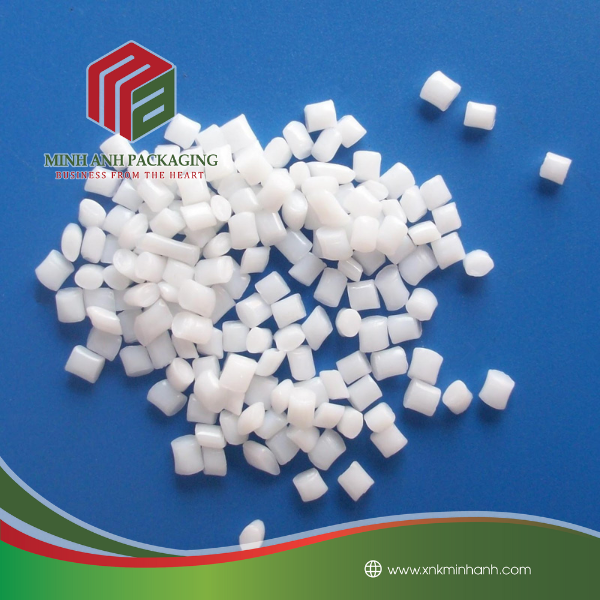
In conclusion, the science behind plastic granules encompasses a multidisciplinary approach that integrates chemistry, materials science, engineering, and environmental considerations. The production and utilization of plastic granules involve complex processes that transform raw polymer resins into versatile materials with diverse applications. As research and innovation continue to drive advancements in plastic technology, the future holds promising opportunities for sustainable and high-performance plastic materials that meet the evolving needs of global industries and society.
Hãy là người đầu tiên nhận xét “The Science Behind Plastic Granules”
Sản phẩm tương tự

Tin Tức Bao Bì

Tin Tức Bao Bì

Tin Tức Bao Bì

Tin Tức Bao Bì

Tin Tức Bao Bì

Tin Tức Bao Bì

Tin Tức Bao Bì

Tin Tức Bao Bì


Đánh giá
Chưa có đánh giá nào.