
The Role of FIBC Bags in Renewable Energy Projects
These sturdy sacks are perfect for carrying raw materials to manufacturing plants or hauling construction waste away from solar farm sites. Plus, they’re reusable, which means they align perfectly with the sustainability goals of renewable energy projects. It’s like they were made for this job—or at least hired by Mother Nature herself.
When you think of renewable energy projects, your mind might conjure up images of sleek solar panels glinting in the sun, majestic wind turbines spinning gracefully, or perhaps even a futuristic hydroelectric dam. But let’s talk about the real unsung hero of renewable energy: the humble FIBC bag. That’s right, folks—Flexible Intermediate Bulk Containers, or FIBCs, are here to save the day, one bulk load at a time. Because apparently, even saving the planet needs logistics.
What Are FIBC Bags, and Why Should You Care?
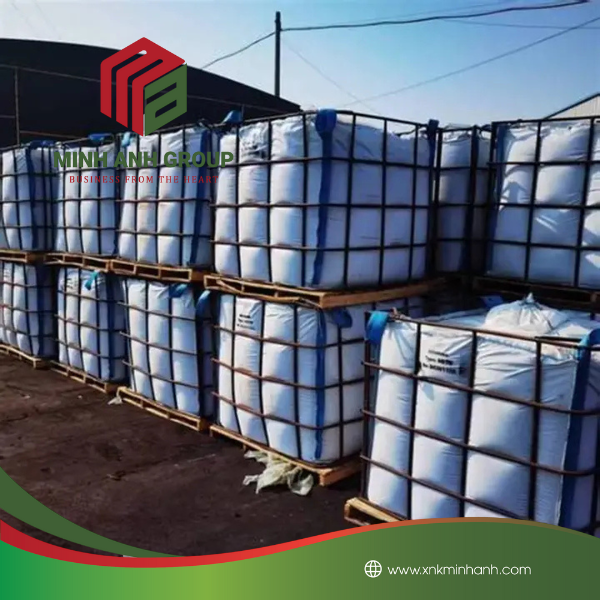
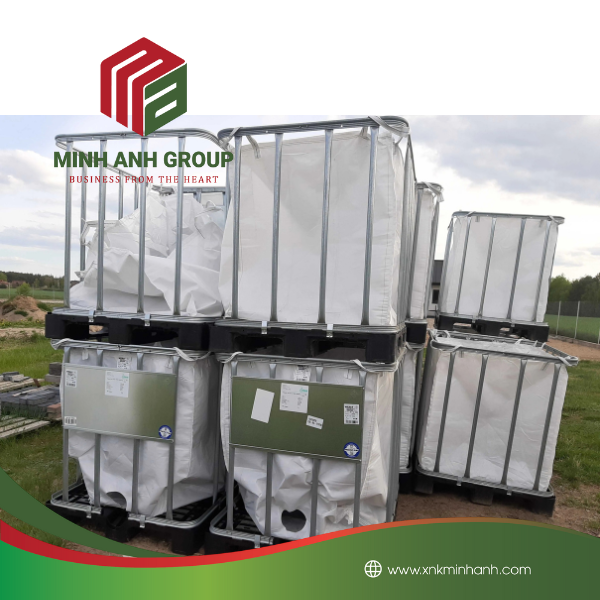
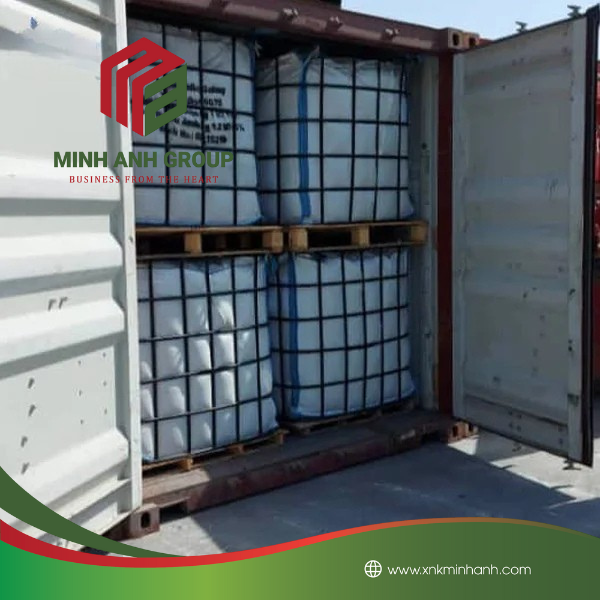
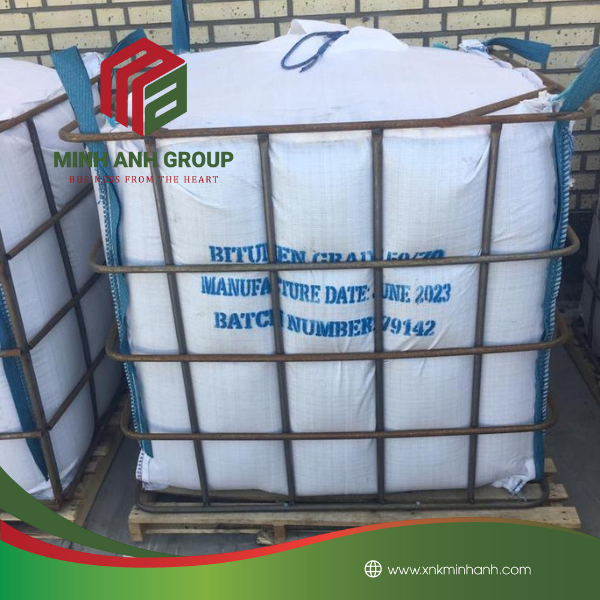
If you’re not familiar with FIBC bags, let me paint you a picture. Imagine a bag so large it could double as a makeshift bouncy castle for your kids (don’t actually try this). These industrial-sized sacks are made from super-strong woven polypropylene and are designed to carry massive loads of materials—think sand, gravel, biomass pellets, or even unicorn dust if that’s your thing.
Now, why should you care? Because these bags are quietly working behind the scenes to make renewable energy projects possible. They’re like the roadies of the green energy world—hauling the heavy stuff so the windmills and solar panels can take center stage.
FIBCs and Biomass: A Match Made in Eco-Heaven
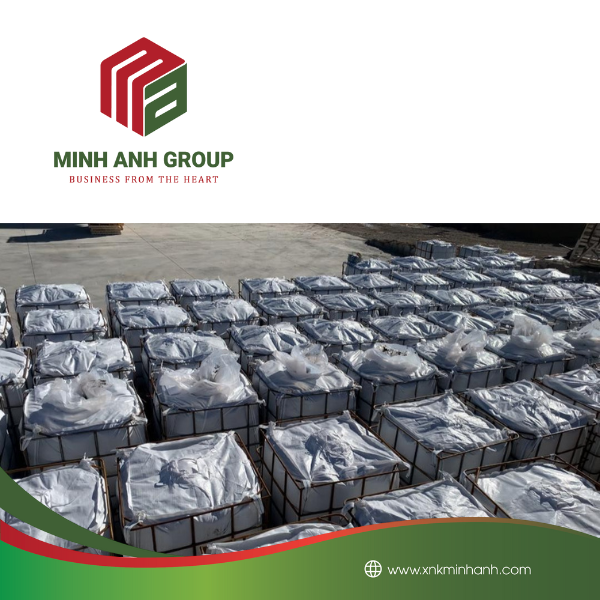
Let’s start with biomass energy. You know, that delightful process where organic material like wood chips or agricultural waste is turned into electricity or heat. Sounds green and glamorous, right? Well, guess what’s hauling all those wood chips and pellets around? Yep, our trusty FIBC bags.
Without these bulk bags, transporting biomass would be a logistical nightmare. Imagine trying to move mountains of sawdust in tiny buckets or wheelbarrows. Not only would it take forever, but you’d also look ridiculous. FIBCs make it easy to move large quantities of biomass efficiently, reducing transportation costs and carbon emissions. They’re basically the eco-friendly Ubers of the biomass world.
Solar Power Projects: Not Just Sunshine and Rainbows
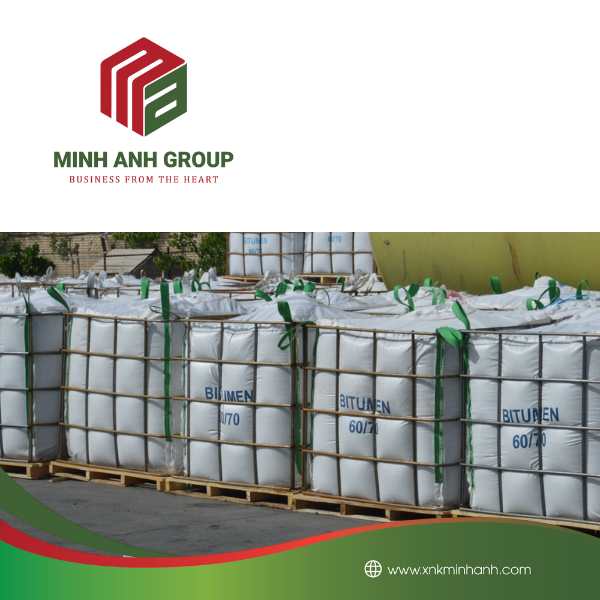
Solar power might seem simple—just slap some panels on a roof and let the sun do its thing. But behind the scenes, there’s a lot of heavy lifting involved. Materials like silicon (used in solar cells), sand (for glass production), and even construction debris from solar farms need to be transported. Enter FIBC bags, stage left.
These sturdy sacks are perfect for carrying raw materials to manufacturing plants or hauling construction waste away from solar farm sites. Plus, they’re reusable, which means they align perfectly with the sustainability goals of renewable energy projects. It’s like they were made for this job—or at least hired by Mother Nature herself.
Wind Energy: When FIBCs Go Full Gale Force
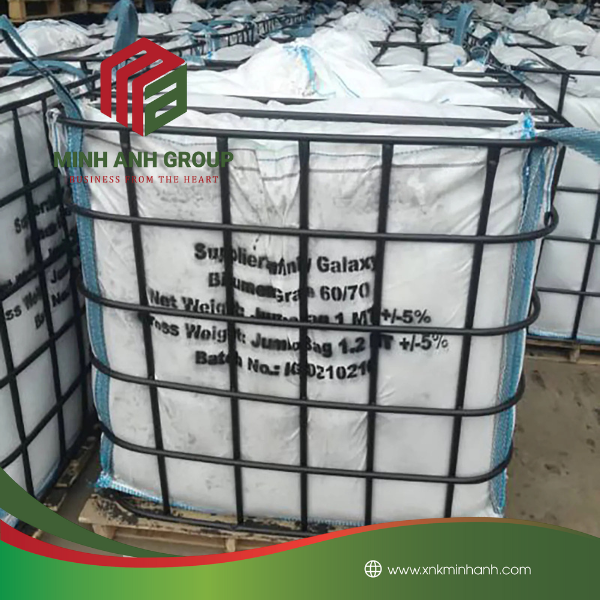
Wind turbines are huge. Like, “could-eat-your-house-for-breakfast” huge. Building these towering giants requires tons (literally) of materials—cement for the foundation, gravel for road construction, and even specialized components for turbine blades. And guess who’s helping to move all that stuff? You guessed it: FIBC bags.
These bags are built tough enough to handle the demands of wind energy projects. They can carry heavy loads without breaking a sweat (or a seam). Honestly, if FIBCs had muscles, they’d be flexing all over Instagram right now.
The Environmental Angle: Less Waste, More Wins
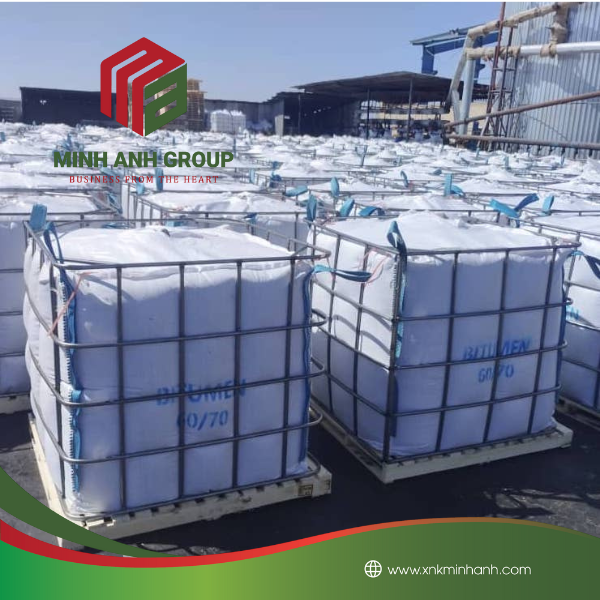
Here’s where FIBC bags really shine—reusability. Unlike single-use packaging materials that end up in landfills faster than you can say “climate change,” FIBCs can be used multiple times. This not only reduces waste but also cuts down on the production of new bags, saving resources and energy.
And let’s not forget their space-saving superpower. When empty, FIBCs can be folded flat for easy storage and transport. It’s like Marie Kondo personally designed them to spark joy in warehouse managers everywhere.
The Funny Side of FIBCs: Because Saving the Planet Should Be Fun
Let’s face it—saving the planet can feel overwhelming at times. But if we can’t laugh about it, what’s the point? Picture this: a group of engineers at a renewable energy site trying to figure out how to move 2 tons of gravel without an FIBC bag. One suggests using wheelbarrows. Another proposes forming a human chain. Someone else just starts crying.
Enter an FIBC bag, carried in slow motion by a forklift while “Eye of the Tiger” plays in the background. Problem solved. The engineers cheer. The planet breathes a little easier. Roll credits.
Bow Down to the Bulk Bag
So there you have it—the vital yet often overlooked role of FIBC bags in renewable energy projects. They may not be as glamorous as solar panels or as Instagram-worthy as wind turbines, but they’re just as important. These sturdy sacks are helping to build a greener future one load at a time, proving that even the simplest tools can make a big difference.
The next time you see a wind farm or a solar panel array, take a moment to appreciate the humble FIBC bag working tirelessly behind the scenes. And if you ever find yourself needing to transport 2 tons of anything, you know who to call. (Hint: it’s not Ghostbusters.)
Hãy là người đầu tiên nhận xét “The Role of FIBC Bags in Renewable Energy Projects”
Sản phẩm tương tự


Tin Tức Bao Bì


Tin Tức Bao Bì

Tin Tức Bao Bì


Đánh giá
Chưa có đánh giá nào.