
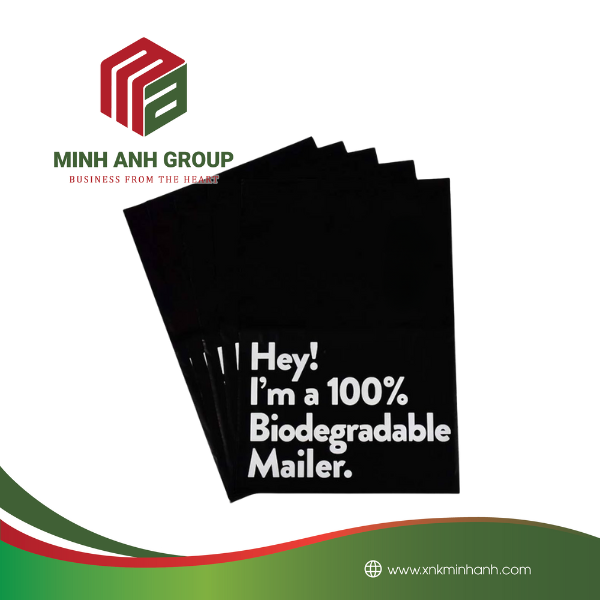
The Price Paradox: Why Biodegradable Mailers Save Money Long-Term
Today’s consumers are increasingly drawn to brands that prioritize sustainability. A study by Nielsen found that 81% of global respondents feel strongly that companies should help improve the environment. By adopting biodegradable mailers, businesses can demonstrate their commitment to sustainability, fostering customer loyalty and attracting eco-conscious consumers. This enhanced reputation can translate into increased sales and long-term profitability.
In today’s fast-paced world, businesses are under increasing pressure to adopt sustainable practices. With consumers becoming more environmentally conscious, companies are seeking solutions that align with green initiatives while also maintaining profitability. One such solution is the use of biodegradable mailers in place of traditional plastic packaging. While the initial cost of biodegradable mailers may appear higher, their long-term financial and environmental benefits reveal a compelling case for their adoption. This is the essence of the price paradox: spending more upfront to save significantly in the long run.
The True Cost of Traditional Plastic Mailers
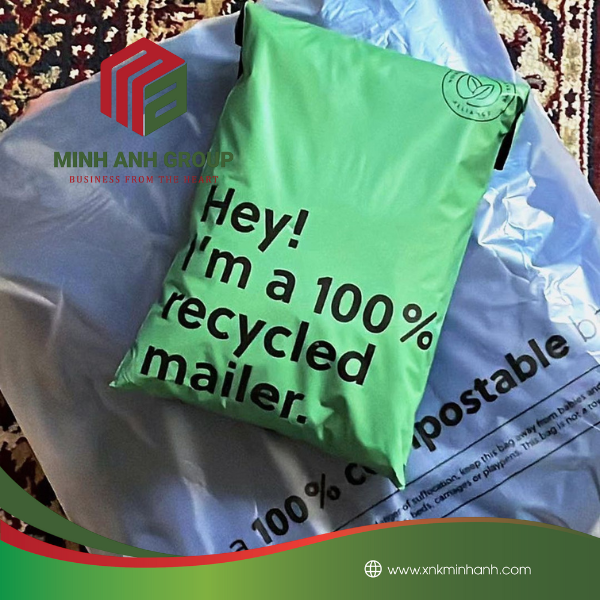
For decades, traditional plastic mailers have been the go-to choice for businesses due to their low upfront cost, durability, and lightweight nature. However, their affordability comes with hidden costs that often go unnoticed. Plastic mailers are derived from fossil fuels, contributing to greenhouse gas emissions during production. Once discarded, they can take hundreds of years to decompose, clogging landfills and polluting ecosystems.
The environmental impact of plastic waste is not just a moral issue but also an economic one. Governments worldwide are imposing stricter regulations on single-use plastics, including taxes and bans. Businesses relying on plastic packaging may soon face increased compliance costs, fines, or even reputational damage as consumers favor brands that demonstrate environmental responsibility. These hidden costs add up over time, making traditional plastic mailers less economical than they initially seem.
The Case for Biodegradable Mailers
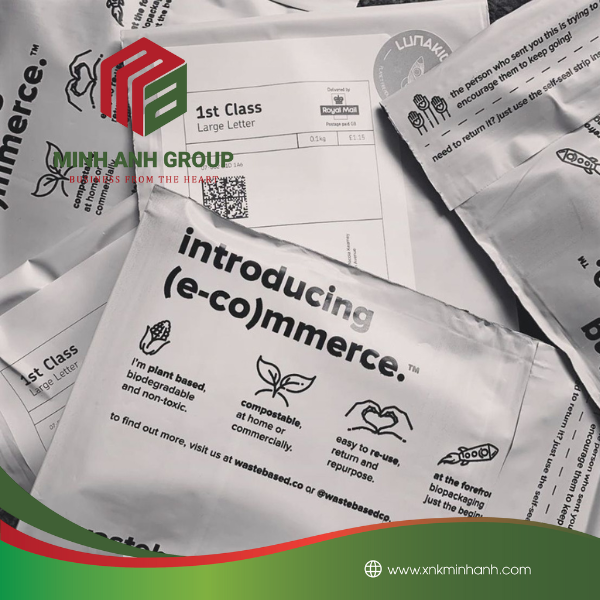
Biodegradable mailers, made from materials such as cornstarch, kraft paper, or plant-based polymers, present a sustainable alternative. Unlike their plastic counterparts, these mailers break down naturally in composting or landfill environments, leaving behind no harmful residues. They align with circular economy principles, emphasizing waste reduction and resource efficiency.
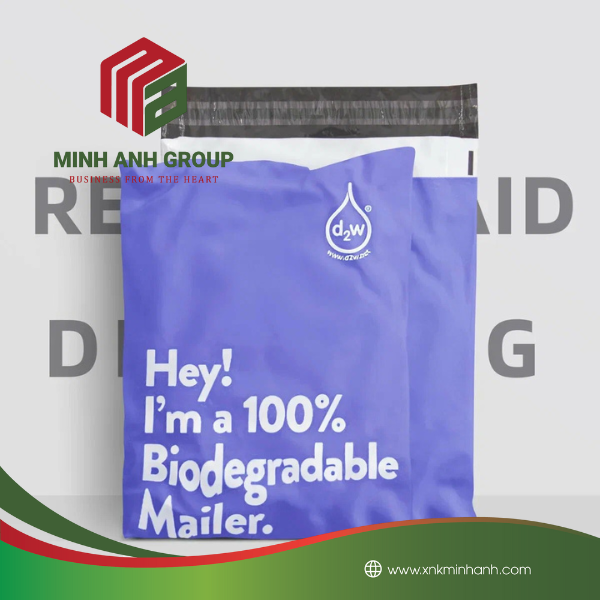
While biodegradable mailers often have a higher upfront cost compared to traditional plastics, their long-term benefits far outweigh the initial investment. Here’s why:
1. Reduced Waste Management Costs
Many biodegradable mailers decompose within months under the right conditions, significantly reducing the burden on waste management systems. In regions where businesses are charged based on the volume of non-recyclable waste they generate, switching to biodegradable options can lead to noticeable cost savings.
2. Regulatory Compliance
As governments introduce stricter environmental policies, businesses using biodegradable packaging are better positioned to comply with these regulations. Avoiding fines and penalties associated with non-compliance can save companies substantial amounts of money in the long term.
3. Enhanced Brand Reputation
Today’s consumers are increasingly drawn to brands that prioritize sustainability. A study by Nielsen found that 81% of global respondents feel strongly that companies should help improve the environment. By adopting biodegradable mailers, businesses can demonstrate their commitment to sustainability, fostering customer loyalty and attracting eco-conscious consumers. This enhanced reputation can translate into increased sales and long-term profitability.
4. Potential Tax Incentives
In some regions, governments offer tax incentives or grants to businesses that adopt sustainable practices. By transitioning to biodegradable mailers, companies may qualify for such financial benefits, further offsetting the initial costs.
5. Future-Proofing Against Rising Costs
As demand for biodegradable materials increases and production technologies advance, their costs are expected to decrease over time. Conversely, the cost of traditional plastics may rise due to resource scarcity and stricter regulations. By adopting biodegradable mailers now, businesses can stay ahead of market trends and avoid future price hikes.
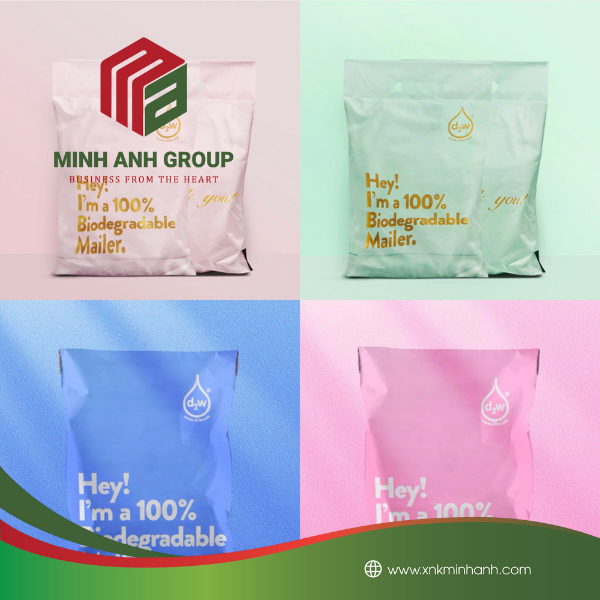
Addressing Common Concerns
Despite their benefits, some businesses remain hesitant to switch to biodegradable mailers due to concerns about durability, compatibility with existing operations, or perceived cost barriers. Let’s address these concerns:
– Durability: Modern biodegradable mailers are designed to be as durable as traditional plastic options, offering protection against moisture and tearing. Many suppliers provide detailed specifications to ensure their products meet industry standards.
– Operational Compatibility: Biodegradable mailers are available in various sizes and designs, making them suitable for a wide range of applications. They can be seamlessly integrated into existing packaging workflows without significant disruptions.
– Cost Concerns: While biodegradable mailers may have a higher upfront cost, bulk purchasing and supplier partnerships can help reduce expenses. Additionally, when factoring in long-term savings from waste management, regulatory compliance, and enhanced brand reputation, the overall financial impact is often positive.
Real-World Examples
Several companies have already embraced biodegradable mailers and reaped the benefits:
1. Patagonia
The outdoor apparel brand Patagonia has long been a leader in sustainability. By adopting biodegradable packaging solutions and encouraging customers to recycle or compost them, Patagonia has strengthened its eco-friendly image while reducing its environmental footprint.
2. Noissue
Noissue, a provider of custom packaging solutions, offers compostable mailers made from cornstarch. Their products have gained popularity among small businesses looking for affordable yet sustainable packaging options.
3. ASOS
The global fashion retailer ASOS has committed to using 100% recyclable or compostable packaging by 2025. By transitioning to sustainable materials now, ASOS is positioning itself as a forward-thinking brand while mitigating future regulatory risks.
The shift towards biodegradable mailers is not just an environmental imperative but also a sound financial strategy. While the upfront costs may seem daunting at first glance, the long-term savings from reduced waste management expenses, regulatory compliance, enhanced brand reputation, and potential tax incentives make them a worthwhile investment.
For businesses looking to thrive in an increasingly eco-conscious market, adopting sustainable practices is no longer optional—it’s essential. By embracing biodegradable mailers today, companies can not only contribute to a healthier planet but also secure their financial future in the process. This is the price paradox in action: spending more now to save—and succeed—later.
Hãy là người đầu tiên nhận xét “The Price Paradox: Why Biodegradable Mailers Save Money Long-Term”
Sản phẩm tương tự

Tin Tức Bao Bì


Tin Tức Bao Bì


Tin Tức Bao Bì

Tin Tức Bao Bì

Tin Tức Bao Bì

Tin Tức Bao Bì


Đánh giá
Chưa có đánh giá nào.