

The Manufacturing Process of FIBC Bags Explained
In conclusion, the manufacturing process of FIBC bags involves a series of precise steps from material selection to final packaging. By adhering to strict quality control standards and utilizing advanced production techniques, manufacturers can produce FIBC bags that offer exceptional strength, durability, and reliability for a wide range of industrial applications.
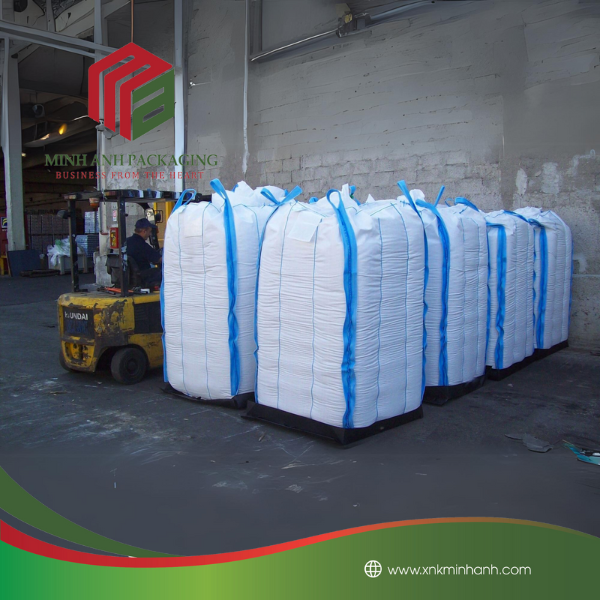
FIBC bags, also known as flexible intermediate bulk containers or bulk bags, are commonly used in various industries for transporting and storing bulk materials. The manufacturing process of FIBC bags involves several key steps to ensure the production of high-quality, durable bags that meet industry standards and customer requirements.
1. Material Selection:
The manufacturing process begins with the careful selection of raw materials. FIBC bags are typically made from woven polypropylene (PP) fabric, which is known for its strength, durability, and resistance to tearing and puncturing. The fabric may be coated or uncoated, depending on the specific requirements of the end use. In addition to the fabric, other components such as lifting loops, filling and discharge spouts, and liners are also selected based on the intended application of the bag.
2. Fabric Weaving:
Once the raw materials are selected, the process of fabric weaving begins. Woven polypropylene fabric is produced using specialized looms that interlace the warp (longitudinal) and weft (transverse) yarns to create a strong, flexible material. The weaving process may vary depending on the desired fabric weight, weave pattern, and coating requirements. Quality control measures are implemented throughout the weaving process to ensure consistent fabric quality and dimensional stability.
3. Fabric Coating (Optional):
In some cases, the woven polypropylene fabric may undergo a coating process to enhance its properties. Coatings can provide additional protection against moisture, UV radiation, or chemical exposure, depending on the intended use of the FIBC bag. Common coating materials include polyethylene (PE) or polypropylene (PP) formulations, which are applied to the fabric using specialized coating equipment.
4. Cutting and Sewing:
Once the fabric is woven and coated (if applicable), it is cut into panels of specific dimensions based on the design of the FIBC bag. Precision cutting equipment ensures accurate panel dimensions to facilitate proper assembly. The panels are then sewn together using high-strength polypropylene threads to form the body of the bag. The sewing process is critical to ensuring strong seams that can withstand the weight and stress of the bag’s contents.
5. Attachment of Components:
During the assembly process, various components such as lifting loops, spouts, and liners are attached to the main body of the FIBC bag. Lifting loops are typically made from high-tenacity polypropylene yarns and securely sewn into the bag structure to provide reliable lifting and handling capabilities. Spouts and liners, if required, are integrated into the design to facilitate efficient filling and discharge of bulk materials.

6. Quality Control and Testing:
Throughout the manufacturing process, strict quality control measures are implemented to assess the dimensional accuracy, seam strength, fabric integrity, and overall performance of the FIBC bags. Random samples are subjected to rigorous testing procedures such as tensile strength testing, seam strength testing, UV resistance testing, and leakage testing to ensure compliance with industry standards and customer specifications.
7. Packaging and Shipping:
Once the FIBC bags have undergone thorough quality control checks and testing, they are packaged according to customer requirements and prepared for shipping. Proper packaging ensures that the bags remain clean, dry, and protected during transit to their final destination. Depending on the order size and shipping logistics, FIBC bags may be palletized or bundled for efficient handling and transportation.

In conclusion, the manufacturing process of FIBC bags involves a series of precise steps from material selection to final packaging. By adhering to strict quality control standards and utilizing advanced production techniques, manufacturers can produce FIBC bags that offer exceptional strength, durability, and reliability for a wide range of industrial applications.
Hãy là người đầu tiên nhận xét “The Manufacturing Process of FIBC Bags Explained”
Sản phẩm tương tự

Tin Tức Bao Bì

Tin Tức Bao Bì

Tin Tức Bao Bì

Tin Tức Bao Bì

Tin Tức Bao Bì

Tin Tức Bao Bì


Tin Tức Bao Bì


Đánh giá
Chưa có đánh giá nào.