
The Future of FIBC Bags: Trends and Developments


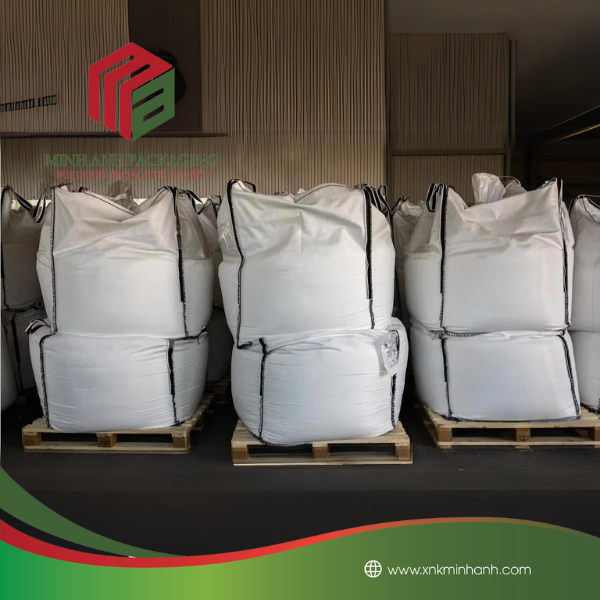
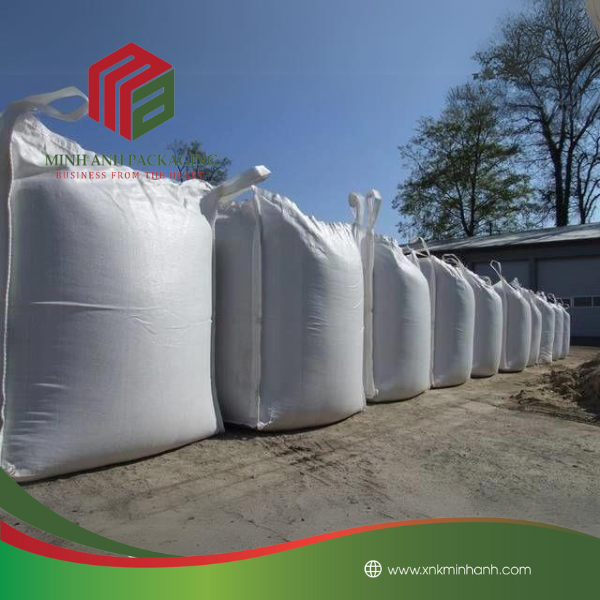
Flexible Intermediate Bulk Containers (FIBC) bags, also known as bulk bags, big bags, or super sacks, have been an integral part of the packaging industry for several decades. These large, flexible containers are commonly used for storing and transporting a wide range of materials, including powders, granules, and other bulk goods. As the global demand for efficient, cost-effective, and sustainable packaging solutions continues to rise, the future of FIBC bags is poised for significant growth and innovation. In this article, we will explore the latest trends and developments shaping the future of FIBC bags.
Flexible Intermediate Bulk Containers (FIBC) bags, also known as bulk bags, big bags, or super sacks, have been an integral part of the packaging industry for several decades. These large, flexible containers are commonly used for storing and transporting a wide range of materials, including powders, granules, and other bulk goods. As the global demand for efficient, cost-effective, and sustainable packaging solutions continues to rise, the future of FIBC bags is poised for significant growth and innovation. In this article, we will explore the latest trends and developments shaping the future of FIBC bags.

One of the most significant trends in the packaging industry, including FIBC bags, is the increasing focus on sustainability and eco-friendly materials. As consumers and businesses alike become more environmentally conscious, there is a growing demand for packaging solutions that minimize environmental impact. In response to this trend, manufacturers of FIBC bags are increasingly investing in the development of eco-friendly materials, such as recyclable plastics, biodegradable polymers, and sustainable production processes. These efforts are aimed at reducing the carbon footprint of FIBC bags and aligning them with circular economy principles.
Advancements in design and construction techniques are also driving the future of FIBC bags. Manufacturers are continuously exploring new ways to enhance the strength, durability, and performance of these containers. This includes the development of specialized coatings and liners to improve moisture resistance, UV protection, and electrostatic dissipation. Additionally, innovations in lifting loops, spouts, and closures are making FIBC bags more versatile and adaptable to a wider range of applications. These advancements are enabling FIBC bags to meet the evolving needs of various industries, including agriculture, chemicals, construction, food processing, and pharmaceuticals.
The integration of automation and digitalization technologies is revolutionizing the production and supply chain processes for FIBC bags. Automation technologies, such as robotic welding and cutting systems, are streamlining manufacturing operations, improving efficiency, and ensuring consistent product quality. Furthermore, digitalization tools, including RFID tracking systems and real-time monitoring sensors, are enhancing traceability, security, and transparency throughout the FIBC bag supply chain. These advancements are enabling manufacturers and end-users to optimize inventory management, reduce operational costs, and ensure compliance with regulatory requirements.
As the demand for tailored packaging solutions grows, customization and personalization are becoming key drivers of innovation in the FIBC bag industry. Manufacturers are increasingly offering customizable options in terms of size, shape, color, printing, and branding to meet the unique requirements of different end-users. This trend is particularly relevant for industries that require specialized packaging solutions for specific products or applications. By offering personalized FIBC bags, manufacturers can cater to the diverse needs of their customers while enhancing brand visibility and recognition in the market.

The future of FIBC bags is also shaped by evolving regulatory compliance requirements and safety standards. As governments around the world continue to enforce stringent regulations related to packaging materials, handling procedures, and transportation guidelines, manufacturers must ensure that their FIBC bags meet the highest safety and quality standards. This includes compliance with regulations governing food contact materials, hazardous goods transportation, static electricity hazards, and load stability during transportation. By staying abreast of these regulations and proactively implementing safety measures, manufacturers can instill confidence in their products and maintain a competitive edge in the market.
The future of FIBC bags is closely linked to the expansion of global markets and international trade. As emerging economies continue to industrialize and urbanize, the demand for efficient bulk packaging solutions is expected to surge. This presents significant growth opportunities for FIBC bag manufacturers to expand their presence in new geographic regions and capitalize on emerging market trends. Furthermore, the increasing globalization of supply chains is driving the need for standardized packaging solutions that can seamlessly integrate into diverse logistics networks. By leveraging these market expansion opportunities, FIBC bag manufacturers can position themselves as key players in the global packaging industry.
In conclusion, the future of FIBC bags is characterized by a convergence of sustainability, innovation, digitalization, customization, safety, and global expansion. As manufacturers continue to invest in research and development to address these trends, the FIBC bag industry is poised for continued growth and evolution. By embracing these developments, stakeholders across various industries can leverage FIBC bags as a versatile, reliable, and sustainable packaging solution for the future.
Hãy là người đầu tiên nhận xét “The Future of FIBC Bags: Trends and Developments”
Sản phẩm tương tự

Tin Tức Bao Bì

Tin Tức Bao Bì


Tin Tức Bao Bì

Tin Tức Bao Bì

Tin Tức Bao Bì

Tin Tức Bao Bì

Tin Tức Bao Bì


Đánh giá
Chưa có đánh giá nào.