
The Environmental Impact of Plastic Granules


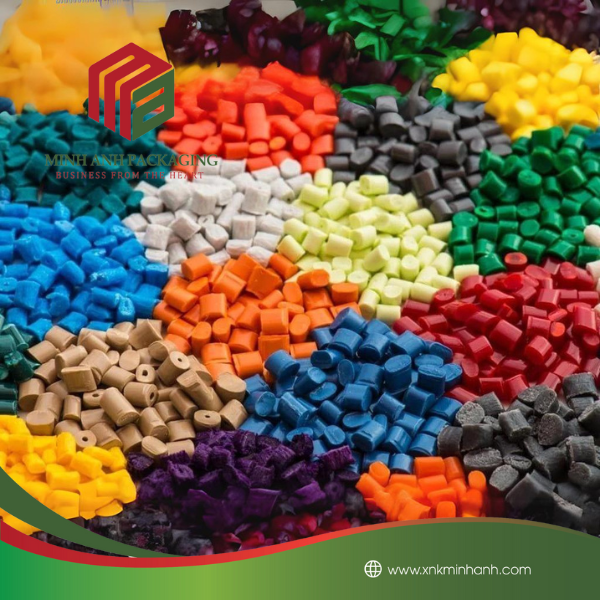
Plastic granules, also known as nurdles, are small pellets of raw plastic resin that serve as the building blocks for a wide range of plastic products. These granules are a crucial component of the global plastic industry, but their production and use also have significant environmental impacts.
Plastic granules, also known as nurdles, are small pellets of raw plastic resin that serve as the building blocks for a wide range of plastic products. These granules are a crucial component of the global plastic industry, but their production and use also have significant environmental impacts.
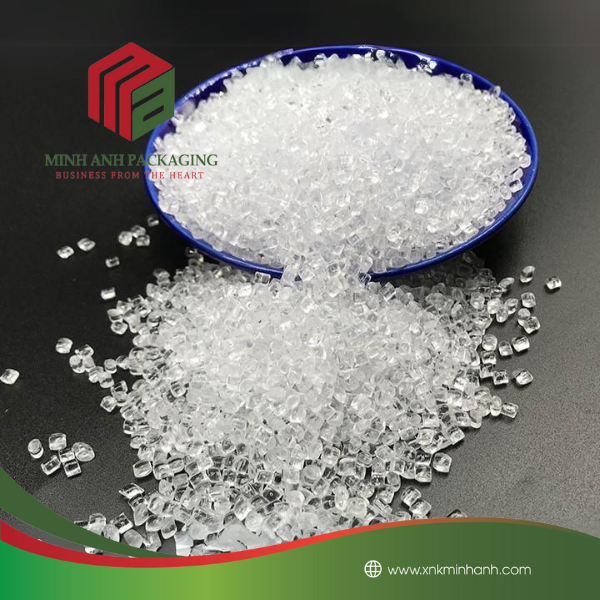
One of the most pressing environmental concerns associated with plastic granules is their potential to contribute to plastic pollution in the world’s oceans and waterways. Due to their small size and lightweight nature, plastic granules can easily be lost or spilled during manufacturing, transportation, and handling. Once in the environment, these granules can be carried by wind and water currents, ultimately finding their way into rivers, lakes, and oceans.
Once in aquatic environments, plastic granules pose a serious threat to marine life. Marine animals such as fish, seabirds, and turtles can mistake these small particles for food, leading to ingestion and potential harm. Additionally, plastic granules have the potential to absorb and concentrate toxic pollutants from the surrounding environment, further exacerbating their impact on marine ecosystems.
In addition to their role in marine pollution, the production and use of plastic granules also contribute to greenhouse gas emissions and energy consumption. The process of manufacturing plastic granules involves the extraction and processing of fossil fuels, which are used as feedstock for plastic production. This extraction and processing contribute to carbon dioxide emissions and other greenhouse gases, which are major contributors to climate change.
Furthermore, the transportation of plastic granules from production facilities to manufacturing plants requires energy and produces additional emissions. This transportation process often involves long-distance shipping, further adding to the environmental footprint of plastic granules.

The disposal of plastic products made from these granules also presents environmental challenges. Many plastic products end up in landfills, where they can take hundreds of years to degrade. As they break down, these plastics can release harmful chemicals into the soil and water, further impacting ecosystems and potentially harming human health.
To address these environmental impacts, it is crucial for the plastic industry to adopt more sustainable practices throughout the life cycle of plastic granules. This includes efforts to minimize the loss of granules during production and transportation, as well as investing in technologies to capture and recycle these materials. Additionally, reducing the overall demand for single-use plastics and promoting the use of alternative materials can help mitigate the environmental impact of plastic granules.
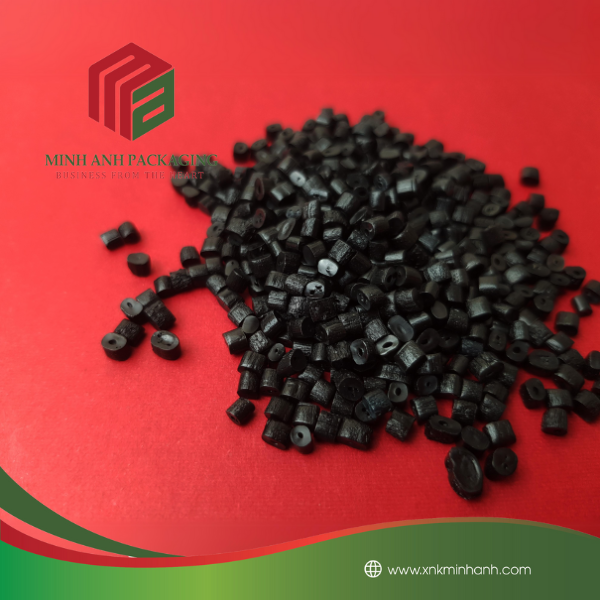
Regulatory measures can also play a significant role in addressing the environmental impact of plastic granules. Governments and international organizations can implement policies to reduce plastic pollution, promote recycling and circular economy principles, and incentivize the development of more sustainable alternatives to traditional plastics.

In conclusion, while plastic granules are essential for the production of a wide range of plastic products, their environmental impact cannot be overlooked. From contributing to marine pollution to greenhouse gas emissions, the production and use of plastic granules have far-reaching consequences for the environment. Addressing these impacts will require concerted efforts from industry, government, and consumers to promote more sustainable practices and reduce our reliance on conventional plastics.
Hãy là người đầu tiên nhận xét “The Environmental Impact of Plastic Granules”
Sản phẩm tương tự

Tin Tức Bao Bì

Tin Tức Bao Bì

Tin Tức Bao Bì


Tin Tức Bao Bì

Tin Tức Bao Bì

Tin Tức Bao Bì

Tin Tức Bao Bì


Đánh giá
Chưa có đánh giá nào.