
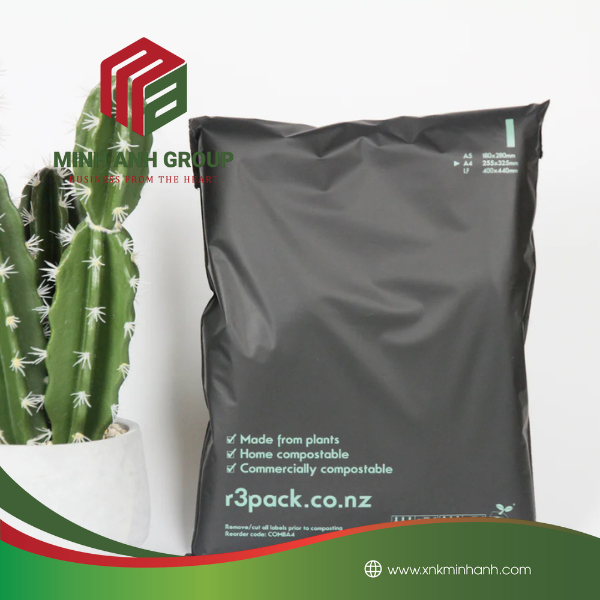
The 2-Hour Breakdown: How Fast Can Biodegradable Mailers Really Decompose?

Let’s talk about biodegradable mailers. They’re the eco-friendly superheroes of the packaging world, swooping in to save us from our wasteful sins. But here’s the million-dollar question: how fast do they actually decompose? Are they vanishing into the soil like magic, or are we being duped by some greenwashing wizardry? Let’s break it down (pun intended).
Let’s talk about biodegradable mailers. They’re the eco-friendly superheroes of the packaging world, swooping in to save us from our wasteful sins. But here’s the million-dollar question: how fast do they actually decompose? Are they vanishing into the soil like magic, or are we being duped by some greenwashing wizardry? Let’s break it down (pun intended).

First Things First, What Are Biodegradable Mailers?
Biodegradable mailers are those sleek, compostable packages that promise to disappear faster than your willpower in front of a dessert buffet. Unlike regular plastic mailers, which stick around on this planet longer than an awkward family reunion, biodegradable mailers are made from materials like cornstarch, PLA (polylactic acid), or PBAT (polybutylene adipate terephthalate). Fancy names, but all you need to know is they’re designed to break down into natural elements like water, carbon dioxide, and organic matter.
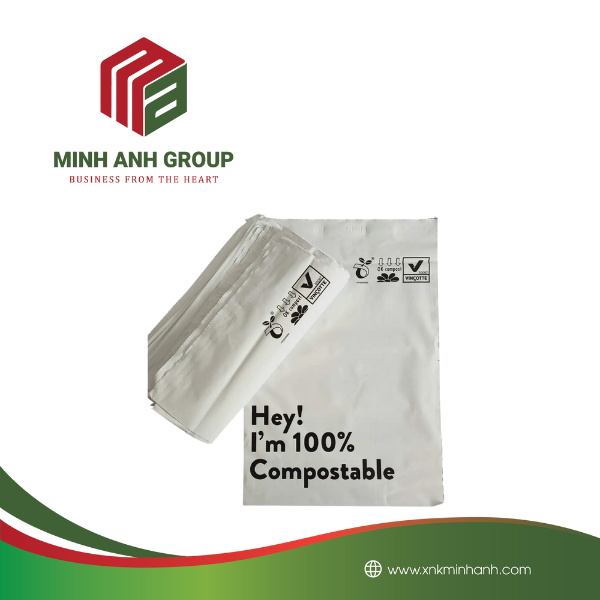
The Myth of the Two-Hour Decomposition
If you’ve heard whispers about biodegradable mailers breaking down in mere hours, let me stop you right there. That’s like expecting a snail to win a sprint. While these mailers are fast compared to traditional plastics—which can take up to 500 years to decompose—they’re not Houdini. The “two-hour” claim is more of a marketing gimmick than a scientific reality. (Spoiler alert: if your mailer disappears in two hours, it’s probably just hiding under your couch.)

The Real Timeline: Composting vs. Landfill
Here’s where things get interesting. The speed at which biodegradable mailers decompose depends on where they end up. Let’s break it down by environment:
#1. Industrial Composting Facilities
If your mailer ends up in an industrial composting facility, it’s living the dream. These facilities maintain high temperatures (around 140°F) and optimal conditions for decomposition. In this perfect environment, your biodegradable mailer could break down in as little as 90 days. That’s faster than most people finish a Netflix series.
#2. Home Composting
Got a compost bin in your backyard? Good for you! But don’t expect miracles. Home composting systems don’t get as hot as industrial ones, so your mailer might take six months to a year to fully decompose. Still, that’s a blink of an eye compared to traditional plastics. Plus, it gives your compost pile some extra street cred.
#3. Landfill
Ah, the dreaded landfill. If your biodegradable mailer ends up here, it’s like sending a marathon runner to a lazy river. Landfills are designed to minimize decomposition (to avoid nasty smells and methane gas), so your eco-friendly package might sit there for years without breaking down properly. Moral of the story? Dispose of it responsibly!
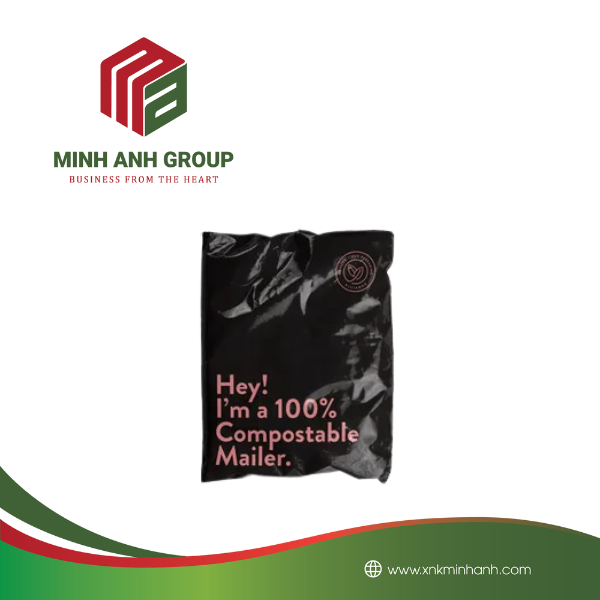
Factors That Affect Decomposition Speed
Before you start timing your mailer with a stopwatch, keep in mind that decomposition isn’t one-size-fits-all. Here are some factors that influence how fast your biodegradable mailer breaks down:
– Temperature: Warmer conditions speed up the process. Think tropical vacation for your trash.
– Moisture: Decomposition loves a little dampness. Dry environments? Not so much.
– Oxygen Levels: Aerobic conditions (with oxygen) are ideal. Anaerobic conditions (without oxygen) slow things down.
– Material Composition: Not all biodegradable materials are created equal. Some break down faster than others—cornstarch-based mailers tend to be quicker than PLA-based ones.

Are Biodegradable Mailers Worth It?
Now that we know they won’t disappear in two hours, are biodegradable mailers still worth the hype? Absolutely! While they’re not perfect (nothing is), they’re a huge step up from traditional plastic packaging. Here’s why:
1. Reduced Environmental Impact: Biodegradable mailers break down into natural elements instead of microplastics that pollute our oceans and soil.
2. Lower Carbon Footprint: Many biodegradable materials are made from renewable resources like cornstarch or sugarcane.
3. Compostable Goodness: When disposed of properly, these mailers can enrich the soil instead of clogging up landfills.

The Bottom Line
Biodegradable mailers may not decompose in two hours, but they’re still a win for the planet. Just remember: they need the right conditions to work their magic. Tossing one into a landfill and expecting it to vanish overnight is like planting a cactus in the Arctic—it’s just not going to happen.
So, next time you receive a package in a biodegradable mailer, give it the send-off it deserves. Compost it, recycle it (if applicable), or at least keep it out of the trash can. Because saving the planet isn’t about perfection—it’s about progress. And hey, if we can’t save the world in two hours, at least we can binge-watch an entire season of our favorite show while trying!
Hãy là người đầu tiên nhận xét “The 2-Hour Breakdown: How Fast Can Biodegradable Mailers Really Decompose?”
Sản phẩm tương tự


Tin Tức Bao Bì

Tin Tức Bao Bì


Tin Tức Bao Bì


Tin Tức Bao Bì

Tin Tức Bao Bì


Đánh giá
Chưa có đánh giá nào.