

Paper Bags vs. Plastic Bags: A Comparative Analysis


In the ongoing conversation about sustainability and environmental responsibility, one of the most common debates centers around the use of paper bags versus plastic bags. Both options have their pros and cons, and understanding these differences can help us make informed choices that align with our values and the planet’s needs. Let’s dive into a friendly comparison of these two everyday items.
In the ongoing conversation about sustainability and environmental responsibility, one of the most common debates centers around the use of paper bags versus plastic bags. Both options have their pros and cons, and understanding these differences can help us make informed choices that align with our values and the planet’s needs. Let’s dive into a friendly comparison of these two everyday items.
The Case for Paper Bags
Paper bags have long been associated with eco-friendliness. Made from renewable resources like wood pulp, they are biodegradable, recyclable, and compostable. These qualities make them an appealing choice for those looking to reduce their environmental footprint. But there’s more to the story.
Advantages of Paper Bags:
1. Biodegradability: Unlike plastic bags, paper bags break down naturally over time, posing less risk to wildlife and ecosystems.
2. Recyclability: Paper bags are widely accepted in recycling programs, making it easier to give them a second life.
3. Renewable Source: Since they’re made from trees, paper bags come from a renewable resource when managed responsibly through sustainable forestry practices.
4. Aesthetic Appeal: Let’s not forget the charm of paper bags! They’re often seen as more premium or rustic compared to plastic bags.
However, paper bags aren’t without their challenges. The production process for paper bags requires significant amounts of water and energy. Additionally, deforestation can become a concern if the wood used isn’t sourced sustainably.
The Case for Plastic Bags
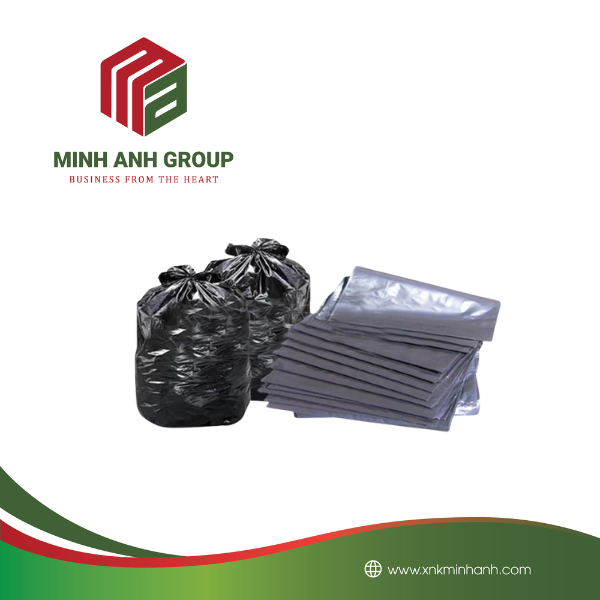
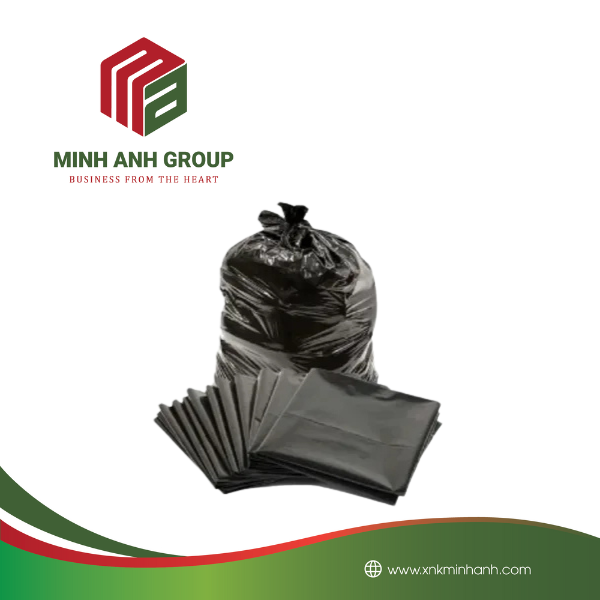
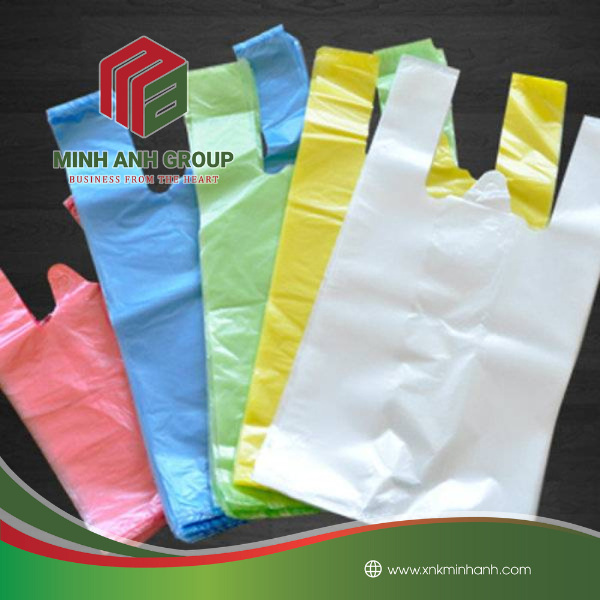
Plastic bags, on the other hand, are often criticized for their environmental impact due to their durability and persistence in the environment. However, they do have certain benefits that shouldn’t be overlooked.
Advantages of Plastic Bags:
1. Lightweight and Durable: Plastic bags are incredibly lightweight yet strong enough to carry heavy items, making them convenient for everyday use.
2. Low Production Footprint: Producing plastic bags requires less water and energy compared to paper bags.
3. Reusability: Many people reuse plastic bags for various purposes, such as lining trash bins or carrying other items.
4. Cost-Effective: Plastic bags are cheaper to produce, which makes them a popular choice for businesses and consumers alike.
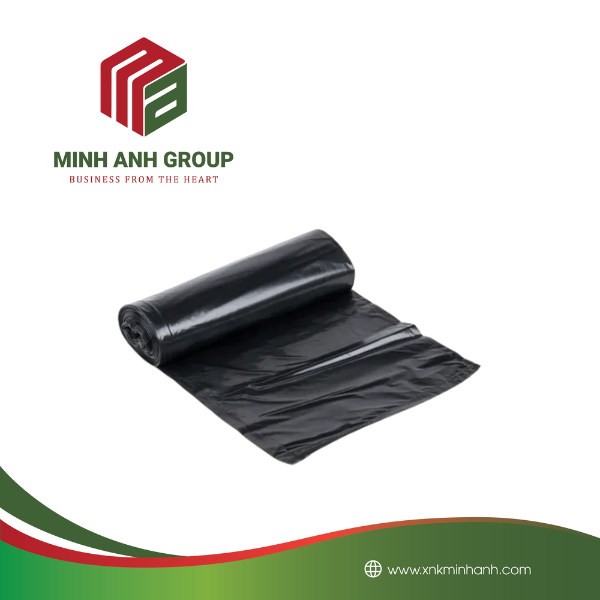
But here’s where the issue lies: plastic bags take hundreds of years to degrade in landfills and often end up polluting oceans and harming wildlife. Their recyclability is also limited, as many recycling facilities don’t accept them due to contamination issues.
Environmental Impact: A Closer Look
When comparing the environmental impact of paper and plastic bags, it’s essential to consider their entire lifecycle—from production to disposal.
1. Carbon Footprint: Surprisingly, plastic bags have a lower carbon footprint during production compared to paper bags. However, this advantage is outweighed by their long-term environmental effects.
2. Waste Management: Paper bags decompose much faster than plastic bags, reducing their impact on landfills. On the other hand, plastic bags can clog waterways and harm marine life if not disposed of properly.
3. Reusability: While both types of bags can be reused, plastic bags generally last longer due to their durability. However, paper bags can be repurposed for crafts or composting.
Which is Better?
The answer isn’t as straightforward as one might hope—it depends on how each type of bag is used and disposed of. If you reuse a plastic bag multiple times and recycle it properly, its environmental impact can be minimized. Similarly, if you opt for paper bags made from recycled materials and compost them after use, you’re making a positive choice.
Ultimately, the best option might not be paper or plastic at all—it could be reusable cloth or canvas bags! These alternatives can significantly reduce waste and environmental harm when used consistently over time.

A Friendly Reminder
At the end of the day, the goal is to be mindful of our consumption habits and strive for sustainability in whatever way we can. Whether you choose paper or plastic, try to reuse and recycle whenever possible. Small changes in our daily lives can add up to make a big difference for the planet.

So next time you’re at the checkout counter and faced with the age-old question—“Paper or plastic?”—take a moment to consider your options and choose what works best for you and the environment. Every thoughtful choice counts!
Hãy là người đầu tiên nhận xét “Paper Bags vs. Plastic Bags: A Comparative Analysis”
Sản phẩm tương tự

Tin Tức Bao Bì

Tin Tức Bao Bì

Tin Tức Bao Bì


Tin Tức Bao Bì

Tin Tức Bao Bì

Tin Tức Bao Bì

Tin Tức Bao Bì


Đánh giá
Chưa có đánh giá nào.